4 Important Crypto News: Dogecoin Open Interest Plummets, Bitcoin Correction Signals, and Gold-Backed Crypto Dips – Botslash Daily Crypto News Analysis
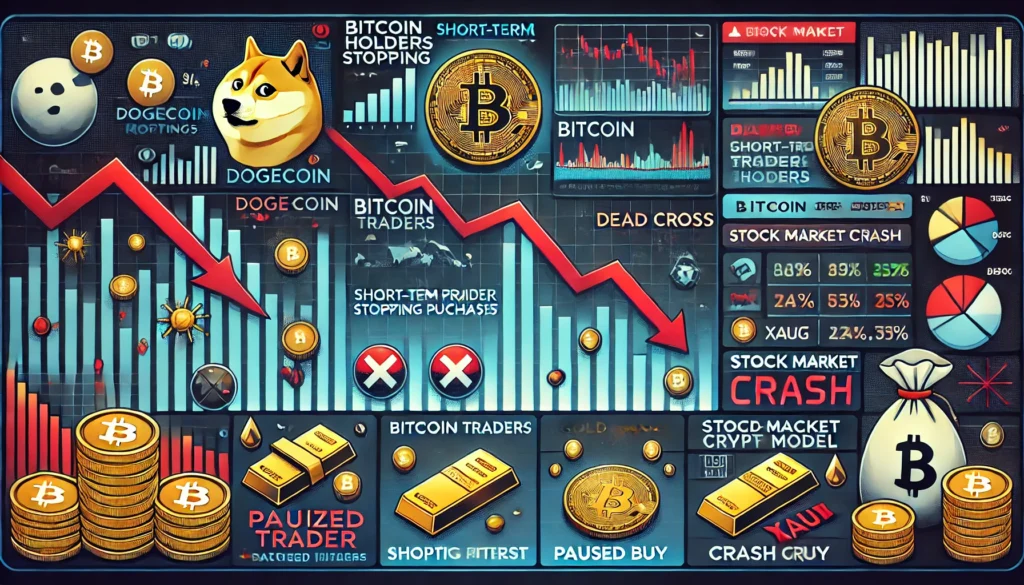
Shifts in trader behavior, technical correction signals, and broader macroeconomic ripples are defining the latest moves in the crypto landscape. From Dogecoin’s massive open interest drop to cautious moves by Bitcoin short-term holders, the signs point to a more conservative market sentiment in the short term. Meanwhile, even gold-backed cryptocurrencies—typically viewed as safe havens—are experiencing declines amid global market turbulence, reflecting the far-reaching impact of current financial conditions. Dogecoin Faces Sharp Decline in Open Interest, Signaling Waning Speculator Enthusiasm Dogecoin’s open interest has experienced a staggering 70.5% drop since mid-January, marking a significant shift in trader behavior. Open interest reflects the total number of outstanding derivative contracts—futures and options—that haven’t been settled. A sharp decline in this metric often points to a retreat of speculative capital. For Dogecoin, a meme coin heavily reliant on community buzz and retail speculation, this decline could be a harbinger of reduced liquidity and slower price movement in the near term. This drop aligns with a broader cooling-off period for altcoins, as capital rotates toward safer or more fundamentally supported assets. Dogecoin, with its meme-driven momentum and limited fundamental utility, has always been more vulnerable to sudden shifts in trader sentiment. Leveraged traders may be exiting due to increased volatility or lower expected returns, further weakening DOGE’s price stability. Notably, social media activity and meme coin hype have also seen a downtick, removing a key driver of demand. The technical indicators for DOGE suggest a lack of immediate recovery signals. Without new speculative inflows or a fresh wave of hype, Dogecoin may continue trading sideways or trend lower. Long-term holders may not be swayed by these short-term changes, but the absence of new capital and trader activity is a red flag for short- to mid-term price action. Market Impact: The decline in open interest for Dogecoin could reduce its short-term volatility but also limits upside momentum. For traders, it signifies reduced speculative opportunities, while for investors, it signals a period of consolidation or potential weakness in meme coin narratives. Short-Term Bitcoin Holders Pause Accumulation, Hinting at Sentiment Weakness Recent data shows that short-term Bitcoin holders (STHs) have stopped increasing their BTC exposure, a move interpreted as a growing lack of confidence in the asset’s near-term prospects. These investors, who typically hold BTC for less than 155 days, often act as sentiment bellwethers. When STHs start accumulating, it usually signals optimism. Conversely, when they stall or sell, it hints at market uncertainty or expectations of lower prices. This behavioral shift comes as Bitcoin faces macroeconomic headwinds and uncertainty around upcoming monetary policies. STHs may be positioning themselves conservatively due to the potential for short-term corrections or lack of bullish catalysts. Historically, such pauses in accumulation have preceded consolidation phases or mild corrections. While this does not necessarily predict a market crash, it emphasizes a cautious sentiment prevailing in the market. Moreover, this stagnation could also reduce buying pressure, making Bitcoin more vulnerable to downward moves triggered by broader market sentiment or external shocks. If long-term holders (LTHs) also begin reducing their positions, the bearish narrative could gain traction. On the other hand, if institutional inflows or bullish news emerge, sidelined STHs could re-enter, potentially reigniting momentum. Market Impact: The stalling of STH accumulation introduces short-term bearish pressure on BTC. While not catastrophic, it may delay bullish momentum and encourage a period of sideways or downward movement, especially if not counterbalanced by institutional or long-term holder activity. Bitcoin Realized Price Model Warns of Extended Correction Period The Realized Price model—especially the Inter-Cycle Cohort Age (ICCA) version—has signaled a “Dead Cross,” which historically indicates the onset of a correction phase within Bitcoin bull cycles. This technical signal emerges when short-term investor cost basis moves above the long-term cohort’s, implying short-term traders are underwater, often leading to selling pressure and reduced confidence. Based on past cycles, such correction phases average about 85 days. This model’s current prediction places the correction at roughly 28 days in, suggesting nearly two months more of potential consolidation or downward movement. Though this doesn’t negate the larger bull market narrative, it does call for caution. The Dead Cross represents a cooling-off period as speculative froth is reduced, and market fundamentals regain focus. It also suggests that the cycle’s emotional highs may have peaked temporarily, and market maturity is taking precedence. Investors and traders are advised to brace for lower volatility and potentially stagnant prices. This phase can also act as a healthy reset, allowing stronger hands to accumulate while weaker hands exit. Monitoring this model helps in adjusting strategy—whether to stay sidelined, accumulate on dips, or hedge existing positions. If external factors like macroeconomic easing or ETF inflows arise, they could shorten the predicted correction duration. Market Impact: While not immediately alarming, the Dead Cross and predicted correction period imply continued choppiness in BTC markets. Long-term investors may view it as a buying opportunity, but traders should remain cautious and manage risk tightly. Gold-Backed Cryptocurrencies Retreat Amid Broader Market Chaos Gold-backed cryptocurrencies like Paxos Gold (PAXG) and Tether Gold (XAUT) have seen sharp pullbacks from recent highs, correlating with global stock market turbulence. These digital assets, typically seen as hedges against fiat instability and equity volatility, initially rallied following political developments like tariff announcements. However, their recent retreat underscores that even “safe-haven” cryptos are not entirely immune to macroeconomic shocks. The initial surge was driven by fear-based demand—investors looking for alternatives to traditional assets amid rising inflation and geopolitical risks. However, the pullback reflects either profit-taking or a shift in broader risk-off sentiment, where investors liquidate across the board to raise cash. It also indicates that while gold-backed cryptos mimic the price of physical gold, they still operate within the broader, more volatile crypto ecosystem. This correction does not necessarily undermine their long-term utility but calls for better education around their behavior during market stress. Institutional interest in tokenized commodities remains high, and such retracements could offer entry points for those with a long-term thesis. That said, the interconnectedness of all asset classes
8 Important Crypto News: Tether Expands Beyond Stablecoins, Grayscale’s Solana Fund, and Nigerian Crypto Taxes : BotSlash Daily Crypto News Analysis

In today’s analysis, we cover a range of significant developments across the crypto space, from Tether’s expansion into traditional industries like energy, to Grayscale’s move to democratize access to Solana’s ecosystem. Alongside these, the news of Nigeria’s new tax plans for cryptocurrency transactions, Robinhood’s expansion into Singapore’s crypto market, and increasing U.S. miner dominance of global Bitcoin hashrate have all shaped the latest market developments. Additionally, meme coins are seeing a resurgence, despite a prolonged slump in Bitcoin prices. These trends reflect both the challenges and opportunities present in today’s evolving crypto landscape. 1. Tether to Acquire Stake in South African Energy Company After Juventus Deal Tether, the issuer of the largest stablecoin USDT, has announced its acquisition of a stake in a South African energy company. This move marks a significant step in Tether’s diversification strategy as it aims to move beyond the crypto space and into traditional industries. The acquisition follows Tether’s recent partnership with the Italian football club Juventus, where the stablecoin firm launched a branded fan token. This acquisition reflects a broader effort to integrate stablecoins into real-world assets and industries. By expanding into energy, Tether aims to leverage its blockchain-backed value to secure assets in a sector known for its long-term profitability. Tether’s move into the energy sector could be viewed as part of a broader trend where stablecoin issuers are exploring opportunities beyond their core digital asset offerings. Energy is a high-demand sector, and such strategic investments could provide Tether with a more diversified portfolio, offering the potential for stable returns. Additionally, energy-related investments could bolster Tether’s standing within traditional financial markets, presenting opportunities for greater institutional adoption of stablecoins. While some might see this move as risky given the complexities of energy markets, Tether is betting on the long-term stability of this sector to balance out the volatility typically associated with cryptocurrencies. From a market impact perspective, this acquisition signals Tether’s growing ambition to diversify its business model, potentially lowering its reliance on crypto market fluctuations. Moreover, this move may have ripple effects in the stablecoin market, where other major players may begin exploring similar expansions into real-world assets, thus increasing institutional confidence in the broader cryptocurrency ecosystem. Tether’s entry into the energy market might also catalyze more partnerships between blockchain projects and traditional industries, further solidifying the case for crypto’s mainstream adoption. Market Impact:Tether’s diversification could reduce the volatility associated with its core product, USDT, by anchoring it to real-world, less volatile sectors like energy. If successful, this could stabilize Tether’s value, increase investor confidence, and enhance its reputation among traditional investors, possibly influencing other stablecoin providers to follow suit. 2. Grayscale Launches Crypto Fund for Pyth, Expanding Investor Access to Solana Ecosystem Grayscale, one of the leading institutional asset managers in the cryptocurrency space, has announced the launch of a new crypto fund dedicated to Pyth Network, expanding investor access to the Solana ecosystem. Pyth Network, a decentralized financial data provider, plays a key role in providing high-quality, real-time data for decentralized finance (DeFi) and blockchain-based applications. By offering a fund that focuses on Pyth, Grayscale is effectively facilitating institutional exposure to the growing Solana ecosystem, which has shown promise due to its scalability and lower transaction costs compared to Ethereum. The launch of this fund represents an important step toward the mainstream adoption of blockchain technology, especially as institutional players show increasing interest in the decentralized finance space. Grayscale’s move is especially strategic as it capitalizes on Solana’s growing presence in the DeFi sector and its expanding network of developers and projects. For investors, this fund provides an easier and more secure way to gain exposure to Solana’s ecosystem, without directly purchasing the tokens or setting up complex infrastructure. It’s a sign that the institutional investment model for crypto is maturing, with products designed to cater to a more sophisticated, risk-averse audience. This fund launch not only benefits Pyth and Solana but also underscores the growing importance of decentralized finance infrastructure in the broader crypto market. As more institutions and retail investors seek exposure to blockchain technologies, projects like Pyth—integrated with Solana—are becoming critical pillars of the decentralized financial landscape. The fund also highlights the continued growth of Grayscale as a leading investment vehicle in crypto, following the success of its Bitcoin and Ethereum funds. Over time, the accessibility of such products will likely drive even more institutional capital into the blockchain and DeFi spaces. Market Impact:This fund could signal the beginning of broader institutional participation in the Solana ecosystem and decentralized financial infrastructure. As more institutions gain exposure to assets like Pyth through regulated vehicles, Solana’s legitimacy and visibility in the mainstream financial sector could increase, potentially driving up demand for both the SOL token and associated DeFi projects on the network. 3. Nigeria Plans to Tax Cryptocurrency Transactions to Boost Revenue Nigeria is taking significant steps toward taxing cryptocurrency transactions as part of its broader efforts to stabilize its economy and increase public revenue. The government aims to capitalize on the growing popularity of cryptocurrencies in the country, where digital assets are used widely for remittances and trading, especially given the Nigerian Naira’s volatility. By taxing crypto transactions, Nigeria hopes to capture a new source of revenue and formalize the cryptocurrency market, bringing it under greater regulatory scrutiny. This move also highlights Nigeria’s acknowledgment of the central role that digital assets are playing in the modern economy. The decision to introduce taxes on cryptocurrency transactions comes at a time when the Nigerian government is seeking to address its fiscal challenges. Although there are concerns about stifling innovation in the crypto space, the government believes that the imposition of a tax could lead to greater economic stability by improving the formalization of the sector. However, critics argue that it could also drive the country’s crypto activities further underground, as traders might look for less regulated environments. Despite these concerns, the government has highlighted that the tax policy will create a framework for a more transparent market, potentially attracting
7 Latest Crypto News : Hong Kong’s Crypto Strategy, U.S. Bitcoin Investments, Market Liquidity Concerns & Trump’s Tariff Impact :Daily Crypto News Analysis

The crypto landscape continues to evolve as institutional interest in bitcoin grows, regulatory approaches shift, and macroeconomic factors shape market movements. Hong Kong’s deliberate approach to crypto regulation is positioning the city as a future hub for digital assets, while Florida’s proposed bill to allow Bitcoin investments in public funds could accelerate state-level adoption in the U.S. Meanwhile, market liquidity concerns and Bitcoin’s price stability amid intense selling pressure reflect ongoing volatility. Additionally, Trump’s newly proposed tariffs have sent ripples through the crypto market, while university endowments are increasingly embracing Bitcoin as a long-term investment. As crypto adoption deepens, investor sentiment remains sensitive to both regulatory developments and global economic shifts. 1. Hong Kong’s Patient Approach to Regulating Crypto Will Pay Off: LegCo’s Duncan Chiu Hong Kong has taken a measured and strategic approach to cryptocurrency regulation, aiming to balance innovation with investor protection. According to Legislative Council (LegCo) member Duncan Chiu, the city’s gradual regulatory framework is designed to attract crypto businesses while maintaining robust oversight. Instead of implementing hasty and restrictive measures, Hong Kong is carefully studying global regulatory trends and adapting them to create a more sustainable crypto environment. The city has already introduced licensing frameworks for exchanges and is working on policies that encourage compliance without stifling growth. Chiu highlights that Hong Kong’s approach allows it to learn from the experiences of other jurisdictions, avoiding the pitfalls that come with premature regulatory decisions. Unlike regions that have either imposed overly strict measures or lacked clear guidelines, Hong Kong seeks a middle ground that fosters innovation while ensuring investor confidence. By maintaining open dialogue with industry stakeholders, authorities can fine-tune regulations based on practical insights rather than theoretical assumptions. The city’s strategy also aims to position it as a leading hub for digital assets, rivaling Singapore and Dubai. Hong Kong’s government is actively supporting blockchain and fintech development, with initiatives to integrate crypto-friendly policies into its broader financial ecosystem. This move could attract institutional investors who seek a stable yet progressive regulatory environment. As global regulatory uncertainty continues to challenge the industry, Hong Kong’s patient approach may indeed pay off, making it a preferred destination for crypto enterprises. Market Impact: Hong Kong’s regulatory stance sends a strong signal to crypto businesses and investors, particularly those in Asia. It could attract more institutional adoption and blockchain startups to the region. As clarity increases, liquidity in Hong Kong’s crypto markets may improve, potentially influencing broader market sentiment. 2. Florida Senator Proposes Bill to Allow Public Fund Investments in Bitcoin Florida Republican Senator Joe Gruters has introduced a bill that, if passed, would allow the state to invest public funds in Bitcoin. The proposal aims to allocate a portion of Florida’s reserves into digital assets as a hedge against inflation, following similar legislative efforts in other states. The bill would give Florida’s Chief Financial Officer (CFO), Jimmy Patronis, the authority to invest in Bitcoin across various state-managed funds, including the general reserve and budget stabilization funds. However, these holdings would be capped at 10% of any portfolio, ensuring that traditional assets still dominate the state’s financial reserves. Gruters’ proposal aligns with a growing trend of U.S. state governments exploring Bitcoin as a legitimate asset class. Wyoming, for example, has proposed a 3% cap on Bitcoin allocations within state funds. The bill reflects increasing institutional interest in cryptocurrency as a diversification strategy amid concerns about inflation and the declining purchasing power of fiat currencies. Supporters argue that Bitcoin’s fixed supply makes it a valuable store of value, similar to gold, while critics worry about its volatility and regulatory uncertainty. This legislative move also comes as Florida’s financial leadership, particularly Patronis, continues advocating for pro-crypto policies. In October, Patronis labeled Bitcoin as “digital gold” and pushed for its inclusion in the state’s investment strategy. If the bill gains traction, Florida could become one of the first U.S. states to hold Bitcoin in its reserves, setting a precedent for other states considering similar measures. However, the bill’s success depends on legislative support and broader market conditions. Market Impact: If Florida proceeds with Bitcoin investments, it could drive more institutional confidence in crypto. This move might lead to greater state-level adoption across the U.S., strengthening Bitcoin’s legitimacy as a reserve asset and possibly driving price appreciation in the long run. 3. Market Liquidity Drained Amid Various Factors, Says DWF Labs Partner A partner at DWF Labs has highlighted a worrying trend in crypto markets—draining liquidity caused by multiple external factors. The crypto market has been experiencing reduced trading volumes, making it increasingly difficult for large orders to be executed without significantly impacting prices. This decline in liquidity is partly attributed to macroeconomic pressures, ongoing regulatory uncertainty, and increased market volatility. The analysis suggests that recent geopolitical tensions and shifting monetary policies have caused traders and institutions to adopt a risk-averse stance, leading to lower participation. Additionally, regulatory scrutiny from major financial hubs like the U.S. and Europe has discouraged market makers from providing liquidity. In times of uncertainty, investors tend to reduce leverage and move funds into safer assets, exacerbating liquidity shortages. Another contributing factor is the market’s reaction to prolonged periods of volatility. When major price swings occur, liquidity providers adjust their risk exposure, often widening spreads or withdrawing liquidity altogether. This has led to sudden price fluctuations and higher slippage on exchanges, making it challenging for traders to execute large transactions without experiencing significant price impact. Market Impact: A liquidity drain can make crypto markets more volatile, increasing the risk of flash crashes and unexpected price swings. Traders may face difficulty executing large orders, and smaller investors may experience wider bid-ask spreads. If liquidity remains low, it could discourage institutional investors from entering the market. 4. World Liberty Financial Increases Cryptocurrency Holdings Despite Losses World Liberty Financial, a crypto firm linked to former U.S. President Donald Trump, has increased its cryptocurrency holdings despite ongoing financial losses. The company has partnered with the Tron blockchain, founded by Justin Sun, who has invested