
Bitcoin Whales, Digital Euro, and Market Volatility 7 Game-Changing Crypto Developments

Bitcoin continues to dominate global financial discussions as billion-dollar options are set to expire, whales ramp up accumulation, and analysts point to low sell-side risk as a precursor to major price movements. Alongside these developments, the European Central Bank is accelerating its push for a digital euro to compete with Bitcoin and politically-backed stablecoins, while Donald Trump’s opposition to CBDCs shakes up the global debate. Meanwhile, Elon Musk’s X faces legal challenges, spotlighting the intersection of social media, crypto, and regulation, as Coinbase’s CEO reignites the Bitcoin vs. gold debate. This article breaks down each story, analyzes its market impact, and ties it all together to provide you with actionable insights into how these developments might shape the crypto landscape. Whether you’re a long-term investor or a trader looking to make sense of the news, here’s everything you need to know. 1. Elon Musk’s X May Face Multi-Million Euro Fine in EU Probe The European Union is investigating Elon Musk’s platform X (formerly Twitter) for allegedly failing to comply with the EU’s Digital Services Act (DSA). The DSA mandates social media platforms to curb disinformation, particularly regarding conflicts like the Israel-Palestine war. If proven non-compliant, X could face a fine of up to 6% of its global revenue, which could amount to hundreds of millions of euros. The probe highlights recent concerns over the spread of unregulated content and the legal consequences of social platforms being held accountable. Analysis and Market Impact: For crypto markets, this has indirect implications. X is a popular hub for crypto-related conversations, trading communities, and influencer-driven market movements. Any potential regulatory hurdles or penalties for the platform could decrease trust in it as a tool for crypto discourse. Additionally, Musk’s unpredictable involvement in crypto (e.g., his effect on Dogecoin prices) often attracts market volatility. A significant legal blow to X could reduce its utility for crypto enthusiasts, leading communities to shift elsewhere. Moreover, the EU’s strict regulatory stance could spill over into crypto companies operating within its jurisdiction, as it signals a growing intolerance for non-compliance. This news serves as a reminder that both social media platforms and crypto ecosystems are under increasing regulatory scrutiny, which may weigh on short-term market sentiment. 2. ECB Proposes Digital Euro to Counter Trump’s Stablecoin Advances The European Central Bank (ECB) is accelerating its plans for a digital euro in response to increasing competition from private stablecoins, particularly those tied to political figures like Donald Trump. According to reports, the ECB is concerned about the influence of politically-backed stablecoins on the euro’s dominance. The digital euro project aims to modernize the EU’s monetary system, providing a secure and regulated alternative to privately-issued stablecoins. Analysis and Market Impact: The ECB’s move highlights a growing trend among central banks: countering the rise of stablecoins with their own Central Bank Digital Currencies (CBDCs). If implemented, the digital euro could provide a more regulated and stable option for digital transactions, potentially attracting users away from decentralized cryptocurrencies and private stablecoins. However, its centralized nature might also deter crypto purists who value anonymity and decentralization. The global competition between CBDCs and stablecoins introduces uncertainty into the crypto space. Stablecoins like USDT and USDC could face increased regulatory and competitive pressure, possibly leading to market volatility. Additionally, if Trump’s stablecoin gains traction, it could attract a politically-driven user base, creating a new layer of competition for established cryptos. This news reflects a growing trend of governments entering the digital currency arena, which could reshape the global financial landscape. 3. $7.8 Billion in Bitcoin Options Set to Expire on Deribit Bitcoin options worth $7.8 billion are set to expire at the end of the month on the Deribit exchange. These contracts are significant because their expiration often creates volatility in Bitcoin’s price. As traders rush to close or roll over positions, the market could see sudden price movements, depending on whether options are exercised in the money or expire worthless. Deribit remains the largest crypto options market, with Bitcoin options accounting for the majority of activity. Analysis and Market Impact: This massive expiration event has the potential to disrupt Bitcoin’s current price stability. Large-scale expirations often create a tug-of-war between bulls and bears, resulting in heightened volatility. If a significant portion of the options expire in the money, it could lead to a wave of buy or sell orders, depending on the strike prices and market sentiment. Traders should watch key price levels closely. For instance, if Bitcoin trades above key strike prices near expiration, it could trigger bullish momentum. Conversely, falling below significant levels may result in sell-offs. This news also highlights the growing influence of derivatives in the crypto market, as institutions and retail investors use options to hedge or speculate. Short-term traders could benefit from volatility, but long-term holders should brace for price swings. 4. Bitcoin Whales in Accumulation Phase After Trump Inauguration According to CryptoQuant, Bitcoin whales have entered a new accumulation phase following Donald Trump’s inauguration announcement. Whales, who hold massive BTC amounts, often signal potential market trends. The report suggests that whale activity is increasing on exchanges, which could indicate preparations for a price rally or hedge against market uncertainties tied to political developments. Analysis and Market Impact: The accumulation by Bitcoin whales is a bullish signal, as their activity often precedes significant price moves. Whales’ confidence in BTC may stem from increasing uncertainty in traditional markets, such as fears of inflation or geopolitical tensions. Trump’s inauguration announcement could also be reigniting interest in crypto as a hedge against political and economic uncertainty. For the broader market, this trend suggests that large investors are doubling down on Bitcoin’s long-term potential, which could encourage retail traders to follow suit. However, whale activity can also lead to heightened price manipulation risks, as large holders have the ability to influence short-term trends. If this accumulation continues, Bitcoin could gain upward momentum, especially if supported by positive macroeconomic news. 5. Bitcoin vs. Gold: Coinbase CEO Says BTC is Better Coinbase CEO Brian
Crypto 2025: Regulation, Accumulation Trends, Privacy Battles, Public Listings, and Political Ties Redefine the Industry

The cryptocurrency landscape is undergoing significant transformations as regulation tighten, institutional investors accumulate digital assets, privacy-focused platforms fight for legitimacy, and companies seek public listings to gain trust and capital. In parallel, politics plays a pivotal role, with the U.S. SEC introducing task forces to regulate crypto markets and controversial links between high-profile figures and blockchain platforms emerging. From Bitcoin whales doubling down on accumulation to Ethereum giants navigating speculative claims, this article examines key developments shaping the industry’s future. 1. Regulation and Compliance Are Key to Building Crypto Derivatives Analysis and Market Impact: The growing crypto derivatives market is becoming a central focus for Regulation, and compliance is emerging as the critical pathway for sustained growth. This news underscores the tension between the rapid expansion of crypto derivatives trading and the need for accountability. With trading volumes in derivatives markets now competing with traditional financial instruments, the stakes are higher than ever. Institutional players, eager to enter the space, are demanding clear regulation to ensure trust and mitigate risks like market manipulation. Exchanges that adopt compliance-focused strategies, such as implementing Know Your Customer (KYC) standards and regular audits, are positioning themselves as leaders in a maturing market. These proactive steps could attract more institutional investment, which is critical for long-term adoption. However, the lack of global regulatory uniformity complicates efforts to create standardized compliance frameworks. Jurisdictions such as the U.S., Europe, and Asia are adopting varying approaches, which might slow progress in harmonizing crypto derivative markets. For the broader crypto market, increased scrutiny and compliance could pave the way for greater legitimacy. However, the same regulation could marginalize smaller players who lack the resources to meet stringent requirements, leading to further centralization of the industry. While compliance might temporarily slow innovation, it is ultimately a catalyst for mass adoption, particularly among institutional investors. The crypto derivatives market, if well-regulated, could serve as a bridge between decentralized finance (DeFi) and traditional finance, transforming the global financial ecosystem. 2. Bitcoin Whales and Sharks Continue Significant Accumulation After Trump’s Inauguration Analysis and Market Impact: The ongoing accumulation of Bitcoin by whales and sharks (large holders of 100–1,000+ BTC) is a bullish signal for the cryptocurrency market. This behavior indicates confidence in Bitcoin’s long-term value, particularly during times of macroeconomic uncertainty. The news reveals that despite political and market volatility, influential investors continue to add Bitcoin to their holdings, potentially as a hedge against inflation, currency devaluation, or geopolitical instability. This trend is significant because it suggests a shift in how institutional and wealthy investors view Bitcoin. Unlike retail investors who are prone to panic selling, whales and sharks tend to buy during market dips. Historically, such accumulation phases have been precursors to major price rallies. Analysts have noted that these large-scale purchases can reduce Bitcoin’s circulating supply, creating a supply-demand imbalance that often drives prices upward. However, there are risks associated with this concentration of ownership. If these large holders suddenly decide to liquidate their holdings, it could trigger massive volatility, shaking retail investors’ confidence. On the flip side, the increased activity from whales suggests Bitcoin’s growing status as a “digital gold” reserve for influential players. While the short-term impact on Bitcoin prices may be muted, this accumulation trend supports the narrative of Bitcoin as a resilient asset class in the long run. 3. Another Court Orders Treasury to Lift Tornado Cash Sanctions Analysis and Market Impact: The court’s decision to challenge the U.S. Treasury’s sanctions on Tornado Cash is a landmark moment for the crypto industry, particularly for privacy-focused projects. Tornado Cash, a decentralized mixing service, has been at the center of a fierce debate between those advocating for financial privacy and governments concerned about its misuse in illegal activities like money laundering. This ruling highlights the judiciary’s willingness to scrutinize sanctions and explore the delicate balance between privacy rights and regulatory oversight. For the crypto community, this ruling could be seen as a win, potentially setting a precedent for how decentralized platforms are treated under U.S. law. If the sanctions are lifted, it may bolster the case for privacy tools being considered legitimate under certain conditions, as opposed to outright banned. However, the Treasury’s initial blacklisting of Tornado Cash came in response to concerns that the platform had been used by bad actors, including state-sponsored hackers. Any easing of restrictions might prompt critics to argue that it opens the door for misuse. In the broader market, this ruling could embolden other privacy-focused projects and potentially increase interest in decentralized applications (dApps) that emphasize user anonymity. Still, the unresolved tensions between privacy and security could lead to tighter, more specific guidelines for such platforms in the future. While this decision reflects positively on the crypto sector’s pushback against overly restrictive regulations, the long-term implications will depend on how lawmakers respond. 4. Interest in Public Listings Grows Among Cryptocurrency Firms Analysis and Market Impact: The growing trend of cryptocurrency firms exploring public listings represents a pivotal shift in the industry’s evolution. For years, crypto companies have operated largely outside traditional financial systems. However, the move toward initial public offerings (IPOs) and direct listings signals a desire for legitimacy, transparency, and increased access to capital. Going public forces companies to adhere to stricter regulatory and governance standards, which can enhance trust among investors and regulators. This trend aligns with the maturing nature of the crypto market, particularly as institutional interest continues to rise. By listing on stock exchanges, crypto firms can attract a broader range of investors, including those who are hesitant to invest directly in digital assets. Binance and other major players have reportedly encouraged this development by supporting projects that comply with regional regulations. For startups, public listings could offer a viable path to growth and scaling, especially in an environment where venture capital funding is becoming more competitive. However, the challenges are significant. Public markets are highly regulated, and volatility in crypto valuations could pose risks to firms once listed. Additionally, companies may face scrutiny from shareholders and regulators,
Crypto in 2025: Trump’s Pro-Crypto Agenda, EU’s DORA Regulations, California’s Bold Moves and Bitcoin’s Global Surge

Bitcoin has reached a record high of $105,000 amidst pro-crypto U.S. policies from the incoming Trump administration.The European Union has implemented its Digital Operational Resilience Act (DORA) to strengthen cybersecurity in the financial sector, while California is actively positioning itself as a crypto hub. Globally, nations and corporations are making bold moves, from accumulating Bitcoin reserves to integrating stablecoins into finance. Publicly traded U.S. crypto miners are also doubling down on Bitcoin holdings, signaling optimism in the sector despite risks. 1. EU’s DORA Rules: Strengthening Cybersecurity in Crypto The European Union’s Digital Operational Resilience Act (DORA), implemented in January 2025, introduces stringent cybersecurity regulations for financial entities, including crypto firms. It mandates a robust risk management framework to mitigate IT disruptions and cyber threats. Firms must document contractual arrangements with IT providers and establish continuity plans. Crypto service providers under the Markets in Crypto-Assets Regulation (MiCA), like MoonPay and Gemini, have already adapted internal strategies to comply with these new rules. DORA aims to protect investors and enhance market integrity, but its high compliance standards pose challenges for smaller firms with limited resources. These requirements might lead to industry consolidation, with larger players dominating the market. While the regulation is designed to increase trust in crypto services, it also highlights the growing regulatory scrutiny as the sector matures. Impact: DORA reinforces investor confidence and regulatory alignment across the EU, encouraging institutional involvement in crypto. However, smaller entities may face financial strain, potentially stifling innovation among startups. The regulation underscores a global trend toward rigorous oversight of digital assets. 2. California’s Bitcoin Vision: A Bold Step Forward California is spearheading the integration of cryptocurrency through progressive measures. Governor Gavin Newsom’s executive order sets a regulatory framework and explores blockchain technology applications in state operations. Santa Monica has established a Bitcoin Office to educate and collaborate with industry players. The state’s tech hubs, including Silicon Valley, play a crucial role in fostering crypto adoption. These initiatives position California as a leader in crypto innovation. The strategic focus on education and collaboration aims to mainstream digital currency usage while creating economic opportunities. With its tech-savvy population and venture capital ecosystem, California remains a key driver of global crypto trends. Impact: California’s approach could attract investments and establish it as a hub for crypto startups. However, regulatory challenges at the federal level might hinder these initiatives. Success in California may influence other states to adopt similar strategies, accelerating nationwide adoption. 3. Bitcoin Hits $105K Ahead of Trump Inauguration Bitcoin reached an all-time high of $105,000 in anticipation of Donald Trump’s pro-crypto presidency. Market optimism stems from proposed policies like a U.S. Bitcoin reserve and a crypto advisory council. Appointments of crypto advocates in key positions further bolster sentiment. Despite the rally, risks like rising U.S. Treasury yields could affect Bitcoin’s trajectory. The market views Trump’s policies as a catalyst for institutional crypto adoption. His administration’s focus on regulatory clarity may enhance innovation and draw investment into the sector. However, external economic factors might introduce volatility, highlighting the fragile balance between optimism and risk. Impact: Bitcoin’s rise showcases market confidence in crypto-friendly policies. While promising for institutional adoption, sustained growth depends on regulatory execution and macroeconomic stability. 4. Wintermute Predicts Bitcoin Reserves for Nations Wintermute’s report envisions the U.S. establishing a Bitcoin reserve, potentially influencing China and Europe to follow suit. This strategic shift could redefine Bitcoin’s role in global finance. The firm also predicts major corporate events, like debt settlements in stablecoins, marking deeper crypto integration. The concept of Bitcoin reserves challenges traditional financial norms, signaling broader acceptance of digital assets. However, skepticism remains, particularly in Europe, where some officials question Bitcoin’s suitability for reserves due to transparency and liquidity concerns. Impact: Wintermute’s predictions suggest a transformative period for Bitcoin, boosting its legitimacy. However, regulatory resistance may slow adoption, particularly in conservative financial systems. 5. ’s Crypto Agenda: A National Priority President-elect Trump’s pro-crypto agenda aims to make cryptocurrency a national priority. His administration plans to establish a U.S. Bitcoin reserve and form a crypto advisory council to guide regulatory developments. Key appointments, such as David Sacks as the crypto czar, reflect this commitment. This shift signals a potential regulatory overhaul, fostering a favorable environment for crypto businesses. By integrating cryptocurrency into national policies, Trump aims to solidify the U.S. as a global crypto hub. The strategy could attract investments and innovation while addressing regulatory uncertainties. Impact: Trump’s policies could accelerate institutional adoption and attract global crypto leaders. However, balancing innovation with regulatory oversight remains crucial to achieving long-term success. 6. U.S. Crypto Miners Double Bitcoin Holdings U.S. publicly traded crypto miners have doubled their Bitcoin holdings in 2024, reflecting a strategic focus on digital asset accumulation. MicroStrategy’s aggressive investment strategy, raising $20 billion to amass Bitcoin, underscores this trend. The Nasdaq’s inclusion of crypto firms further validates the sector’s growing prominence. While this strategy enhances financial diversification and positions firms for future growth, it also introduces risks. Bitcoin’s price volatility could destabilize companies heavily reliant on digital assets. Risk management will be critical to sustaining this strategy amid market fluctuations. Impact: The surge in Bitcoin holdings by crypto miners highlights confidence in long-term growth. This trend may attract institutional investors, but sustained adoption requires robust market conditions and regulatory clarity. Key Takeaways EU’s DORA Regulation Mandates robust cybersecurity measures for financial entities, including crypto firms. Challenges smaller players but strengthens investor protection. Highlights the EU’s focus on market integrity and operational resilience. California’s Crypto Leadership Santa Monica’s Bitcoin Office and blockchain initiatives push adoption. Silicon Valley drives innovation with startups integrating digital currencies. California’s strategy sets a precedent for state-level crypto integration. Bitcoin’s Record High Reached $105,000 fueled by anticipated pro-crypto policies under Trump. Includes plans for a U.S. Bitcoin reserve and regulatory clarity. Shows market confidence but warns of risks from external factors like rising yields. Global Bitcoin Reserve Predictions Wintermute forecasts U.S. and other nations adopting Bitcoin reserves. Corporate use of stablecoins and ETFs signals deeper financial integration. Regulatory hurdles,
AI Tokens, Groundbreaking Trends in Regulations, , and Bitcoin Milestones : Revolutionizing the Crypto Market in 2025

From Senator Tim Scott’s regulatory focus to Thailand’s exploration of Bitcoin ETFs, and from meteoric rise of AI tokens to the Ripple’s ongoing legal battle with the SEC , the industry is abuzz with activity. Simultaneously, Bitcoin’s rally past $99,000 amidst inflation concerns underscores its role as a hedge against economic instability. Together, these stories highlight the rapid evolution and increasing adoption of digital assets across the globe. 1. Senator Tim Scott Prioritizes Crypto Regulation as Banking Committee Chair The new chair of the U.S. Senate Banking Committee, Senator Tim Scott, has placed crypto regulation at the forefront of his legislative agenda. With financial inclusion and innovation as core goals, Scott aims to craft a clear regulatory framework for digital assets. Criticizing past leadership under SEC Chair Gary Gensler, he highlighted the lack of clarity in crypto policies, which has driven innovation abroad. The senator emphasized the importance of tailored solutions for stablecoins, trading platforms, and custody mechanisms to foster a balanced approach to innovation and consumer protection. Scott’s leadership comes at a time of significant political shifts in the U.S., with crypto-friendly lawmakers gaining influence. These developments reflect the growing recognition of cryptocurrencies in mainstream finance. However, balancing regulation with innovation remains a challenge. The committee’s focus on establishing a structured pathway for digital assets could pave the way for more widespread adoption while addressing long-standing regulatory ambiguities. The potential impact on the crypto market is profound. Clear regulatory guidelines could boost investor confidence and attract institutional capital, stabilizing and expanding the market. However, excessive regulation risks stifling innovation. By creating a framework that encourages responsible growth, the U.S. could position itself as a leader in the global digital asset space. 2. AI Token Market Could Reach $60 Billion by 2025, Predicts Bitget CEO Gracy Chen, CEO of Bitget, forecasts that the AI Tokens market could soar to $60 billion by 2025, quadrupling its current market value of $15 billion. She cites the growing use of AI agents in trading, wallet management, and crypto operations as key drivers. Despite rapid growth, she advises investors to remain cautious, stressing the need for human oversight given the nascent state of AI technologies. Practical applications, such as automation and programming, are areas to prioritize. This prediction aligns with recent trends in the AI Tokens market, which grew 222% in Q4 2024 alone. The rise of AI Tokens projects like Solana-backed Goatseus Maximus has fueled this momentum, making Solana a dominant platform in this niche. While AI tokens are gaining traction, their long-term success will depend on real-world utility and scalability. The burgeoning AI Tokens market reflects the potential for AI and blockchain convergence. Successful applications could redefine efficiency in various sectors, attracting investors and developers. However, the AI Tokens market’s speculative nature may also lead to volatility, necessitating careful investment strategies. 3. SEC Appeals Ripple Case Ruling Amid Gensler’s Departure The SEC’s decision to appeal Judge Analisa Torres’ ruling in the Ripple case marks a pivotal moment for cryptocurrency regulation. While the court previously deemed XRP not a security in retail transactions, institutional sales were ruled in violation of securities laws. The appeal comes as SEC Chair Gary Gensler prepares to step down, signaling potential shifts in the regulatory approach under new leadership. Ripple has reiterated that the decision on XRP’s retail classification remains law, solidifying its position as a non-security in such transactions. However, the SEC’s appeal raises questions about broader implications for crypto classification and market dynamics. The case outcome will influence how digital assets are treated under U.S. law, potentially affecting the market’s future trajectory. The appeal highlights the regulatory uncertainty facing the crypto industry. A favorable resolution for Ripple could set a precedent, encouraging innovation and market participation. Conversely, a stricter ruling could dampen investor confidence and stifle growth. Gensler’s exit adds further complexity, leaving the crypto community optimistic about a more favorable regulatory environment. 4. Thailand to Allow Bitcoin Spot ETF Listings for Local Exchanges Thailand’s SEC is considering permitting Bitcoin spot ETFs on local exchanges, reflecting its ambition to become a digital asset hub. This move follows the success of the ONE Bitcoin ETF Fund, launched in 2024, targeting wealthy and institutional investors. By enabling direct exposure to Bitcoin, Thailand aims to cater to the growing interest in cryptocurrencies while ensuring robust investor protections. With active crypto accounts more than doubling to 270,000, the Thai market is primed for innovation. The SEC’s broader agenda includes allowing bond-backed stablecoins and piloting Bitcoin payments in tourist regions. These initiatives indicate Thailand’s proactive approach to digital assets, balancing adoption with regulatory safeguards. A Bitcoin ETF listing would position Thailand as a leader in regulated crypto investment opportunities. It could attract foreign investors, boost market liquidity, and inspire similar initiatives in other jurisdictions. However, global market volatility and local investor education remain key challenges. 5. Core CPI Decline Sparks Bitcoin Rally The unexpected drop in core inflation, despite a 2.9% rise in the broader CPI, has ignited optimism in financial markets, particularly in cryptocurrencies. The prospect of Federal Reserve rate cuts has spurred Bitcoin’s price to surge by 2.9%, crossing the $99,000 threshold. Investors see digital assets as a hedge against traditional market uncertainties, aligning with broader adoption trends. This price surge is part of Bitcoin’s ongoing bull run, with the cryptocurrency appreciating over 40% since November. Other digital assets, including Ethereum and Solana, have also rallied, reflecting renewed investor confidence. Market dynamics suggest a correlation between inflation trends and crypto performance, as monetary easing boosts risk-on sentiment. The rally reinforces Bitcoin’s position as a store of value and an alternative asset class. A sustained price increase could attract more institutional interest, further solidifying its mainstream acceptance. However, the speculative nature of crypto requires vigilance amid macroeconomic shifts. 6. Bitcoin Smashes $99,000 Amid Inflationary Concerns Bitcoin’s ascent to an all-time high of $99,000 highlights its growing role as a hedge against inflation and economic uncertainty. This surge coincides with a 2.9% increase in annual CPI and declining core inflation,
5 Groundbreaking Crypto Trends: Stablecoins, ETFs, Regulation Wins, and Market Signals You Can’t Ignore

From the Philippines launching its first peso-backed stablecoin to the record-breaking success of U.S. spot Bitcoin ETFs, the industry is brimming with innovation and growth. Meanwhile, Kenya takes a bold step towards legalizing cryptocurrencies, setting the stage for broader African adoption. Amid these advancements, the U.S. job market report highlights Bitcoin’s sensitivity to macroeconomic factors. Let’s delve into the key developments shaping the crypto world today. 1. Filipino Banks Launch PHPX Stablecoin on Hedera Network Filipino banks, in collaboration with Singapore-based Just Finance, are introducing PHPX, a stablecoin pegged to the Philippine peso and powered by Hedera’s decentralized ledger technology (DLT). The initiative, slated for launch between May and July, involves prominent banks like UnionBank, RCBC, and Cantilan Bank. PHPX aims to provide a secure and efficient payment solution, leveraging blockchain’s capabilities to enhance cross-border payments and financial inclusion. The project also plans to establish a multicurrency stablecoin exchange for seamless transactions, bridging PHPX with other stablecoins like USDC and EURC. This move reflects the Philippines’ commitment to embracing blockchain technology as a tool for economic development. By integrating regulated institutions, the PHPX initiative stands out for its secure, transparent, and inclusive approach. The collaboration among local banks highlights the growing interest in digital finance in emerging markets, underscoring the demand for blockchain solutions to address inefficiencies in traditional systems. If executed successfully, this could serve as a template for other nations aiming to modernize their financial systems. The launch of PHPX could reshape remittance markets, vital to the Philippine economy, which saw over $40 billion in remittances in 2024. By reducing transaction costs and processing times, PHPX may encourage wider crypto adoption while fostering innovation in the country’s financial sector. As stablecoins gain traction globally, PHPX’s success could position the Philippines as a leader in blockchain integration in Southeast Asia. 2. First U.S. Spot Bitcoin ETF Marks a Year of Record Growth The first U.S. spot Bitcoin ETFs, launched on January 11, 2024, have celebrated a remarkable debut year, surpassing $61 billion in assets under management (AUM). BlackRock’s iShares Bitcoin Trust led the charge, becoming the most successful ETF launch in history. Institutional investors, drawn by the simplified exposure to Bitcoin, fueled unprecedented inflows, exceeding initial projections of $14 billion. The ETFs thrived against a backdrop of supportive regulations, heightened institutional demand, and Bitcoin’s stellar price performance, doubling to over $100,000 in 2024. The introduction of spot Bitcoin ETFs marked a pivotal shift in the crypto market, bridging the gap between traditional finance and digital assets. By offering a regulated avenue for Bitcoin exposure, the ETFs addressed lingering concerns over security and custody. The regulatory approval also signaled growing institutional trust in crypto assets, potentially setting the stage for broader adoption of blockchain-based financial instruments. The SEC’s landmark decision provided clarity, invigorating market sentiment and reinforcing Bitcoin’s role as a legitimate investment vehicle. This milestone for Bitcoin ETFs has likely set a precedent for future financial innovation, enabling investors to participate in the crypto market without direct ownership complexities. As institutional interest grows, Bitcoin ETFs could attract more capital, increasing liquidity and reducing volatility in the crypto market. The sustained success of these ETFs solidifies Bitcoin’s mainstream acceptance, reinforcing its position as “digital gold.” 3. U.S. Nonfarm Payrolls Surge to 256,000: Implications for Bitcoin The U.S. added 256,000 jobs in December 2024, outpacing the forecasted 160,000 and driving the unemployment rate down to 4.1%. This robust labor market performance has tempered expectations of Federal Reserve rate cuts, which were initially anticipated for early 2025. Strong employment data suggests the economy remains resilient, even as higher interest rates weigh on borrowing and spending. This development has prompted investors to revise their outlook for monetary policy, with rate cuts now delayed to late 2025. The surge in payrolls has created ripples across financial markets, including the crypto sector. Bitcoin, often perceived as a hedge against loose monetary policy, faced downward pressure following the labor report. Prices fell by 1.3% over 24 hours, reflecting concerns over tighter financial conditions. The Fed’s reluctance to cut rates implies higher yields for traditional assets, potentially diverting investment away from riskier options like Bitcoin. Traders are now weighing macroeconomic stability against crypto’s role in diversifying portfolios. This news underscores the ongoing tension between macroeconomic factors and crypto market performance. Bitcoin’s sensitivity to interest rates highlights its maturing relationship with traditional finance, where economic indicators increasingly influence its price movements. As the Federal Reserve navigates monetary policy, Bitcoin’s trajectory may hinge on how investors balance their risk appetite in a high-interest-rate environment. 4. Kenya’s Shift Toward Crypto Regulation Kenya is preparing to legalize cryptocurrency through a comprehensive regulatory framework addressing issues like money laundering and taxation. The government has tasked the Blockchain Association of Kenya (BAK) with drafting a Virtual Asset Service Providers (VASP) bill. This legislation will outline licensing requirements, consumer protections, and tax regulations. Meanwhile, the Kenya Revenue Authority (KRA) has proposed a real-time tax system to track crypto transactions, aiming to integrate taxation into crypto trading platforms seamlessly. This marks a groundbreaking shift in Kenya’s approach to digital finance. The move to regulate cryptocurrencies reflects a desire to embrace innovation while ensuring compliance with international financial standards, such as FATF anti-money laundering guidelines. By involving stakeholders like BAK, the Kenyan government demonstrates its commitment to creating an inclusive and balanced regulatory ecosystem. This could position Kenya as a leader in crypto adoption across Africa, leveraging blockchain to address financial inclusion challenges. The initiative’s success could pave the way for more African nations to adopt similar measures, fostering a more robust crypto ecosystem across the continent. For Kenya, legalizing crypto could boost investment, innovation, and financial inclusion while setting an example for emerging markets globally. By combining regulation with technological advancement, Kenya may become a hub for crypto innovation in Africa. 5. Bitcoin Funding Rates Turn Negative: A Potential Bottom Signal? Bitcoin’s funding rates briefly turned negative, a situation where traders holding short positions (betting on Bitcoin’s price decline) pay funding fees to
Bitcoin in Focus: Silk Road Sales, Political Donations, Bhutan’s Strategy, and Network Activity Insights : 5 Important crypto news

From the U.S. government’s massive liquidation of seized Silk Road Bitcoin to Circle CEO’s political donation in USDC, the spotlight is also on Bhutan’s pioneering use of hydropower for Bitcoin mining. Additionally, recent trends highlight a significant drop in active Bitcoin addresses, raising questions about market momentum. In this article, we delve into these developments, exploring their implications and potential market impact. 1. U.S. Government Prepares to Liquidate $2 Billion in Bitcoin Seized from Silk Road The U.S. government has transferred nearly $2 billion worth of Bitcoin, seized in the infamous Silk Road case, to Coinbase Prime. Market watchers suspect this signals an imminent sale. Bitwise CIO Matt Hougan highlighted the potential short-term volatility that could arise from this sale but remains optimistic about the cryptocurrency market’s resilience. The transfer comes as part of the government’s ongoing efforts to liquidate seized crypto assets responsibly, while monitoring for minimal disruption in broader financial markets. Hougan pointed out that Bitcoin’s market maturity and improved liquidity mechanisms would likely absorb the shock, preventing long-term harm. The cryptocurrency ecosystem has experienced significant growth in trading volume, stability, and institutional participation since earlier Silk Road-related asset sales. If sold via OTC (over-the-counter) or auction-style mechanisms, it could further mitigate price swings, ensuring the market remains robust even under such unprecedented events. Impact of News: The move could create short-term turbulence in Bitcoin prices as traders react to news of the massive liquidation. However, long-term effects may be negligible if the market handles the sale effectively. Institutional investors could also view the event as a sign of maturity, reinforcing the cryptocurrency’s viability as an asset class. These developments emphasize the importance of regulatory engagement and careful management of large-scale crypto transactions by governments. 2. DOJ Cleared to Sell $6.5 Billion Bitcoin Seized from Silk Road The U.S. Department of Justice (DOJ) has received approval to sell 69,370 Bitcoin, marking one of the largest government-led crypto sales in history. This decision follows a Supreme Court ruling that secured U.S. ownership of the assets, with the DOJ citing market volatility as a reason to act swiftly. This initiative highlights the government’s intent to responsibly monetize seized crypto assets while minimizing disruption to the market. The market response has been swift, with Bitcoin’s price declining by nearly 3% upon the announcement, signaling traders’ concerns about liquidity pressure. Analysts suggest that a controlled liquidation strategy—through private sales or OTC channels—would help mitigate price shocks. The cryptocurrency ecosystem, now more liquid and diverse than ever, is deemed capable of withstanding such significant inflows into the market. Impact of News: While the sale is likely to cause temporary price fluctuations, the broader impact highlights Bitcoin’s increasing entanglement with governmental and institutional systems. As Bitcoin becomes a key component in national economic strategies, such moves demonstrate a delicate balance between regulation and fostering trust in cryptocurrencies. Investors are likely to keep a close watch on liquidity and price movements in the coming weeks. 3. Crypto Donation: Circle CEO Donates $1M USDC to Trump Inauguration Circle CEO Jeremy Allaire has announced a $1 million USD Coin (USDC) donation to support President-elect Donald Trump’s inauguration, reflecting the cryptocurrency industry’s growing influence in politics. The crypto industry has collectively contributed $7.5 million to Trump’s campaign, signaling its strategic alignment with the incoming administration’s policies. The move aims to highlight the potential of digital currencies in mainstream financial and political ecosystems. This donation aligns with the industry’s expectations of a more crypto-friendly regulatory environment under Trump’s administration. His plans to support Bitcoin mining, promote U.S. crypto innovation, and establish a national Bitcoin reserve have made him an appealing candidate for the crypto community. Allaire’s contribution not only showcases the power of stablecoins but also strengthens cryptocurrency’s presence in political fundraising. Impact of News: The growing collaboration between crypto leaders and politics could pave the way for favorable regulations, benefiting the entire digital asset ecosystem. This event underscores the sector’s rising legitimacy and influence in shaping policies, potentially leading to a supportive environment for innovation, particularly in blockchain technology. 4. Bhutan’s Bitcoin Strategy: $1 Billion Reserve Powered by Hydropower Bhutan has strategically leveraged its abundant hydroelectric resources to build a $1 billion Bitcoin reserve, representing 39% of the nation’s GDP. The country has been mining Bitcoin since 2019, spearheaded by Druk Holding and Investments (DHI), a state-owned entity. This initiative highlights Bhutan’s innovative use of renewable energy to diversify its economy through cryptocurrency. Mining over 12,000 Bitcoin sustainably, Bhutan has positioned itself among leading nations embracing crypto. With minimal environmental impact, the operation aligns with Bhutan’s carbon-neutral stance. Inspired by El Salvador’s Bitcoin adoption, the move illustrates how smaller economies can integrate digital currencies for national growth. Impact of News: Bhutan’s success could inspire other nations to adopt renewable energy-based mining strategies. This approach enhances crypto’s appeal as a sustainable investment and a tool for economic development. Bhutan’s actions may further legitimize cryptocurrency as a transformative force in global finance. Bitcoin Active Addresses Decline Amidst Market Volatility Recent data indicates a significant decline in Bitcoin’s active addresses, with the 30-day simple moving average (SMA) falling below the 365-day SMA. This trend mirrors patterns observed after major price peaks in 2018 and 2021, suggesting a potential cooling period in the market. As of September 2024, active addresses have decreased from over 1 million to approximately 650,000, aligning with Bitcoin’s price stabilization below $60,000. he reduction in active addresses may indicate decreased user engagement and transaction activity on the Bitcoin network. Historically, such declines have preceded market corrections or periods of consolidation. However, it’s important to consider other factors, such as the increasing adoption of Bitcoin exchange-traded funds (ETFs), which might influence on-chain activity. The introduction of Bitcoin spot ETFs could be contributing to this trend, as investors opt for these financial instruments over direct on-chain transactions. Impact of News: The decrease in active addresses could signal a shift in market dynamics, potentially leading to reduced liquidity and increased volatility. Investors might interpret this trend as a cautionary sign,
Ripple Lawsuit Breakthrough, FTX’s $16B Repayments, South Korea’s ETF Revolution, and Solana’s Quantum Leap

Ripple ongoing legal battle with the SEC is nearing a pivotal moment, FTX has begun repaying $16 billion to creditors, South Korea is rethinking its stance on crypto ETFs, and Solana has introduced groundbreaking quantum-resistant security. These developments underscore the sector’s resilience, innovation, and regulatory evolution as it continues to shape the future of finance. 1. Ripple-SEC Lawsuit Nearing Conclusion The long-running XRP-SEC lawsuit is approaching a critical deadline. In July 2023, Judge Analisa Torres ruled that XRP, Ripple’s cryptocurrency, was not a security when sold to retail investors, though it was deemed a security in institutional sales. The SEC must decide by January 15, 2025, whether to appeal this decision or request an extension. Meanwhile, SEC Chair Gary Gensler’s anticipated departure adds uncertainty to the agency’s direction. Pro-XRP attorney Jeremy Hogan predicts a resolution as early as spring or summer 2025, with significant implications for the crypto industry. This lawsuit has become a landmark case for cryptocurrency regulation. The dual ruling on XRP—security in institutional sales but not retail sales—provides clarity while raising questions about broader enforcement policies. Ripple’s partial victory has been celebrated by the crypto community as a step towards fairer regulatory standards. However, the SEC’s potential appeal could prolong uncertainty for XRP holders and the market. Gensler’s likely departure may signal a shift in the SEC’s crypto stance. New leadership might adopt a more collaborative approach, emphasizing clarity over litigation. The lawsuit’s outcome will be pivotal in shaping U.S. crypto regulations and influencing how other nations approach blockchain technology. Impact A final resolution could lead to increased adoption of XRP and bolster investor confidence. Conversely, prolonged litigation may deter institutional investments. The outcome may also prompt Congress to prioritize comprehensive crypto legislation, addressing inconsistencies highlighted by this case. 2. FTX Initiates $16 Billion Repayment FTX, the infamous cryptocurrency exchange, has commenced its $16 billion repayment process. Approved in October 2024, this plan aims to return 98% of customer losses, with smaller claims prioritized initially. The company, under CEO John J. Ray III, has recovered approximately $14.7-$16.5 billion to fund the repayments. This milestone is expected to restore trust in the crypto ecosystem after the significant damage caused by FTX’s collapse in 2022. The repayment process marks a turning point for FTX and the broader crypto sector. The company’s ability to recover significant funds and prioritize smaller creditors demonstrates progress in addressing the fallout from one of the industry’s largest scandals. By returning funds to users, FTX is setting a precedent for accountability, which could improve trust in crypto exchanges. This development may also signal a shift in regulatory attitudes. Authorities may intensify scrutiny of exchanges to prevent similar collapses. Investors, too, are likely to demand greater transparency and custodial safeguards. However, questions remain about how recovered funds will impact market dynamics if reinvested. Impact The potential reinvestment of recovered funds into major cryptocurrencies could lead to increased demand, potentially boosting prices of assets like Bitcoin and Ethereum. Additionally, FTX’s actions may encourage other troubled platforms to expedite customer repayments, promoting a culture of restitution and accountability. 3. South Korea to Reevaluate Crypto ETFs South Korea’s Financial Services Commission (FSC) has announced plans to reevaluate its ban on spot cryptocurrency exchange-traded funds (ETFs) in response to global trends. Following the U.S. approval of spot Bitcoin ETFs, South Korea is exploring ways to permit institutional access to crypto markets. The FSC is also investigating market dominance by local exchange Upbit, as part of efforts to ensure fair competition. The FSC’s decision to reconsider spot crypto ETFs reflects a significant policy shift. Historically cautious, South Korea has been slow to embrace crypto innovations due to concerns about market volatility. The move suggests a growing recognition of the sector’s legitimacy, driven by international developments like the U.S.’s acceptance of spot Bitcoin ETFs. Allowing ETFs could increase accessibility for retail and institutional investors, fostering growth in South Korea’s crypto market. At the same time, FSC’s investigation into Upbit’s dominance underscores the regulator’s commitment to market fairness. Ensuring competitive conditions is essential as the market matures and attracts more participants. Impact Approval of crypto ETFs could lead to a surge in investment, as ETFs are often seen as safer, regulated entry points. Additionally, this may prompt neighboring nations to reconsider their crypto policies, accelerating global adoption. If the FSC permits institutional trading, it could significantly expand South Korea’s market liquidity. 4. Solana Introduces Quantum-Resistant Security Solana developers have unveiled the “Solana Winternitz Vault,” a quantum-resistant security feature. The system uses hash-based cryptographic signatures, generating new keys for every transaction to protect user funds from potential quantum computer attacks. However, this feature is optional, requiring users to store their assets in specialized vaults to benefit from enhanced security. The introduction of the Winternitz Vault underscores Solana’s forward-looking approach to emerging threats. Quantum computing, while not an immediate danger, poses a long-term challenge to blockchain security. By preemptively addressing this issue, Solana positions itself as a leader in blockchain resilience. The optional nature of this feature, however, raises concerns about user adoption. Many users may overlook or misunderstand the importance of quantum resistance, limiting the feature’s impact. Educational efforts will be crucial in encouraging users to transition to these vaults. Solana’s innovation also sets a benchmark for other blockchains to explore quantum-resistant solutions, potentially sparking a wave of similar advancements. Impact The vault’s adoption could bolster Solana’s reputation as a secure and innovative platform, attracting developers and investors. Long-term, the move could drive industry-wide upgrades, ensuring that blockchain technology remains robust against evolving computational threats. Key Takeaways Ripple-SEC Lawsuit The Ripple lawsuit, a significant legal battle, has the potential to conclude by mid-2025. The resolution of this case could set a major precedent for how cryptocurrencies are regulated in the United States. With the SEC’s deadline looming and the possible departure of SEC Chair Gary Gensler, the case is a turning point in clarifying the distinction between securities and cryptocurrencies. If Ripple secures a favorable outcome, it could lead to a surge
Bitcoin Mutual Funds, Stablecoins, and Corporate Moves: 6 latest Crypto Integration

The cryptocurrency market and bitcoin is undergoing transformative developments as traditional finance, regulatory frameworks, and corporate strategies converge on digital assets. Israel prepares to launch six Bitcoin mutual funds, marking a historic step in regulated crypto investments. In Hong Kong, the government advances its Stablecoins Bill, introducing a licensing regime to ensure stability and consumer protection. Simultaneously, corporate interest in Bitcoin continues to grow, with KULR Technology Group acquiring significant holdings to diversify its treasury and hedge against inflation. These initiatives collectively signal a profound shift toward the mainstream acceptance and adoption of cryptocurrencies as integral components of the global financial system. 1. Six Bitcoin Mutual Funds to Launch in Israel The announcement of six Bitcoin mutual funds set to debut in Israel marks a significant milestone in the integration of cryptocurrency into traditional finance. With the Israel Securities Authority granting approval, these funds will provide investors regulated exposure to Bitcoin without requiring direct ownership of the asset. This development reflects Israel’s growing embrace of digital assets and follows similar trends observed globally, particularly in countries like the United States and Canada, where Bitcoin-linked investment products have gained traction. The mutual funds aim to bridge the gap between traditional investors and the cryptocurrency market by addressing common concerns such as security and storage risks associated with direct cryptocurrency ownership. Additionally, the funds are expected to attract a diverse range of investors, from individuals curious about digital assets to institutions exploring diversification strategies. This initiative also aligns with the broader push for financial innovation in Israel, a country known for its vibrant tech ecosystem. The launch of these Bitcoin mutual funds could serve as a bellwether for future developments in cryptocurrency regulation and financial products. By setting a precedent for other nations, Israel may influence global financial institutions to explore regulated cryptocurrency-based offerings. Such moves will likely bolster mainstream adoption and acceptance of digital currencies. Market Impact The introduction of Bitcoin mutual funds in Israel is poised to increase liquidity in the cryptocurrency market and solidify Bitcoin’s role as an investment asset. By offering a regulated pathway for investors, these funds could help stabilize Bitcoin’s price through broader participation, potentially reducing market volatility. 2. KULR Technology Acquires Bitcoin for Treasury Strategy KULR Technology Group’s purchase of 217 Bitcoin for $21 million signals the growing trend of corporate adoption of cryptocurrencies as part of treasury management strategies. This move highlights Bitcoin’s role as a hedge against inflation and economic uncertainties. By diversifying its holdings, KULR is positioning itself to capitalize on Bitcoin’s long-term growth potential while mitigating risks associated with traditional financial systems. The company’s decision to invest at an average price of $96,774 per Bitcoin underscores its confidence in the asset’s future performance. This approach is reminiscent of MicroStrategy’s aggressive accumulation of Bitcoin, indicating a broader shift in how companies perceive digital assets. The move aligns with growing institutional interest, suggesting that Bitcoin is increasingly seen as a store of value rather than a speculative asset. KULR’s adoption of Bitcoin is not only a financial decision but also a statement about the growing integration of blockchain technology into various industries. It reflects a shift in corporate attitudes toward cryptocurrencies, which are now viewed as integral to modern financial strategies. Market Impact KULR’s Bitcoin acquisition could inspire similar moves by other corporations, contributing to Bitcoin’s price appreciation and reinforcing its position as digital gold. Increased corporate participation in the crypto market enhances its legitimacy and creates a more stable investment environment. 3. Hong Kong Moves Toward Stablecoin Licensing With the introduction of a licensing framework for stablecoins, Hong Kong solidifies its position as a global leader in cryptocurrency regulation. The legislation requires that all fiat-backed stablecoins maintain high-quality reserves to ensure holders can redeem their investments at par value. This move aims to mitigate risks such as liquidity crises and loss of consumer trust, which have plagued unregulated stablecoins in the past. The exclusion of algorithmic stablecoins reflects Hong Kong’s cautious approach to managing technological and financial risks in the rapidly evolving crypto landscape. The bill also requires compliance with anti-money laundering regulations, aligning the territory with global financial standards and reinforcing its status as a trustworthy financial hub. Hong Kong’s focus on stablecoins could encourage their broader use in cross-border transactions, remittances, and decentralized finance (DeFi) applications. By providing clear regulatory guidance, the territory is likely to attract more crypto firms seeking a secure and predictable operating environment. Market Impact The clarity offered by the stablecoin licensing framework will likely increase investor confidence in stablecoins issued under Hong Kong’s jurisdiction. This could enhance the global utility of stablecoins and elevate Hong Kong’s role in the international cryptocurrency market. 4.Bitcoin Erases Christmas Gains as MicroStrategy Ramps Up Bitcoin Purchases Bitcoin’s price experienced a notable decline following the Christmas period, erasing gains made during the holiday season. After reaching an all-time high of over $108,000 on December 17, 2024, Bitcoin’s value dropped to approximately $92,442 by December 23, marking a correction of about 14.5%. This downturn dampened expectations of a “Santa Claus rally,” a phenomenon where asset prices rise during the end-of-year holiday period. Despite this market correction, MicroStrategy, a prominent business intelligence firm known for its substantial Bitcoin holdings, continued its aggressive acquisition strategy. Between December 16 and 22, 2024, the company purchased an additional 5,262 Bitcoins for approximately $561 million, at an average price of $106,662 per Bitcoin. This purchase increased MicroStrategy’s total holdings to 444,262 Bitcoins, acquired at an aggregate cost of $27.7 billion, with an average purchase price of $62,257 per Bitcoin. MicroStrategy’s persistent investment in Bitcoin, even amid price volatility, underscores its strong belief in the cryptocurrency’s long-term value proposition. The company’s strategy involves financing these purchases through equity sales, indicating a commitment to integrating Bitcoin into its corporate treasury. This approach has positioned MicroStrategy as the largest corporate holder of Bitcoin, reflecting a broader trend of institutional adoption within the cryptocurrency market. Market Impact MicroStrategy’s continued Bitcoin acquisitions during periods of price decline may contribute to
9 Crypto Highlights: Bitcoin Whale Moves, ETF Innovations, Stablecoin Demand, and Global Adoption Trends

Spot Bitcoin ETFs Witness Record Withdrawals Amid Declining CME Futures Premium U.S. spot Bitcoin exchange-traded funds (ETFs) have experienced unprecedented single-day outflows, with $680 million withdrawn, ending a 15-day streak of positive capital inflows. Notable contributors to this withdrawal include Fidelity’s FBTC, Grayscale’s Bitcoin Mini Trust, and the ARKB ETF by Ark and 21Shares. This mass exodus coincided with Bitcoin’s price dipping below $100,000, following remarks from Federal Reserve Chair Jerome Powell. CME Futures Premium Indicates Weaker Demand Simultaneously, the Chicago Mercantile Exchange (CME) Bitcoin futures market has shown signs of waning demand. The premium on CME Bitcoin futures contracts, which typically reflects investor optimism, has declined. Previously, CME front-month futures contracts traded at a significant premium of 18.7% annualized to the spot price, indicating bullish sentiment. However, recent data suggests a reduction in this premium, pointing to a potential decrease in institutional demand. Market Implications These concurrent trends suggest a cautious outlook among investors regarding Bitcoin’s short-term performance. The substantial withdrawals from spot Bitcoin ETFs indicate profit-taking or a shift in investment strategies, possibly due to macroeconomic factors or regulatory concerns. The diminishing CME futures premium further supports the notion of tempered demand, as institutional investors reassess their positions in the Bitcoin market. Long-Term Bitcoin Holders Offload 1 Million BTC Since September Recent data indicates that long-term Bitcoin holders (LTHs) have sold approximately 1 million BTC since September 2024, reducing their holdings from around 14.2 million to 13.2 million BTC. Increased Selling Activity On December 19, 2024, LTHs sold nearly 70,000 BTC, marking the fourth-largest single-day sell-off this year. This surge in selling aligns with Bitcoin’s price reaching new highs, prompting profit-taking among investors who acquired BTC at lower prices. Market Absorption Despite significant sales from LTHs, the market has demonstrated resilience, with new demand absorbing the increased supply. Short-term holders (STHs) have accumulated over 1 million BTC during the same period, indicating sustained interest and confidence in Bitcoin’s potential. Implications for Bitcoin’s Price The redistribution of Bitcoin from LTHs to STHs suggests a dynamic market where profit-taking is balanced by new investments. While large-scale selling by LTHs can exert downward pressure on prices, the concurrent accumulation by STHs has helped maintain market stability. Bitcoin Whale Transfers 72,000 BTC Held for Over 5 Years, Hinting at Market Shift A significant movement has been observed in the Bitcoin market, where a whale—an entity holding a large amount of Bitcoin—has transferred 72,000 BTC that had remained dormant for 5 to 7 years. This substantial transfer has sparked discussions about its potential implications on the market and whether it signals a broader shift in investor sentiment or the onset of an altseason. Potential Market Shift The transfer of such a large amount of Bitcoin by a long-term holder may indicate a change in market dynamics. It could suggest that the holder anticipates a market downturn and is moving assets in preparation to sell, which might increase selling pressure and potentially lead to a decrease in Bitcoin’s price. Alternatively, it could be a strategic move to reallocate assets or diversify investments. Indicator of Altseason Another perspective is that this transfer could signal the beginning of an altseason—a period when alternative cryptocurrencies (altcoins) experience a surge in value relative to Bitcoin. If large Bitcoin holders are moving their assets, it might indicate a shift in focus towards altcoins, suggesting that investors are seeking higher returns in other digital assets. Market Implications Such significant movements by Bitcoin whales can have notable effects on the cryptocurrency market. They can influence market sentiment, liquidity, and price volatility. Traders and investors often monitor these large transactions to gauge potential market trends and make informed decisions. Stablecoin Demand Surges on Ethereum Layer 2 Networks Recent developments indicate a significant surge in stablecoin demand on Ethereum Layer 2 networks, particularly on platforms like Polygon and Blast. Polygon’s Stablecoin Market Growth Polygon, an Ethereum Layer 2 solution, has experienced a notable increase in its stablecoin market capitalization. Reports reveal that Polygon’s stablecoin market cap has risen to $1.5 billion, marking a 19% quarter-over-quarter growth. Tether (USDT) leads this expansion, with its market cap on Polygon growing by 29% to $792 million, accounting for 53% of the total stablecoin market cap on the network. This growth is attributed to various developments, including trials by Sony Bank exploring stablecoin use on Polygon and plans by tech companies like Settlemint to develop stablecoins leveraging Polygon’s infrastructure. Blast Layer 2 Network’s Rapid Adoption The Blast Layer 2 network has also witnessed significant traction. Within hours of its launch, investors bridged over $30 million in ether and stablecoins to the platform, demonstrating strong demand for Layer 2 solutions that enhance transaction speed and reduce costs. Blast’s design incentivizes users by offering yields on transferred ether and BLAST points, further driving user engagement. Implications for the Crypto Ecosystem The increasing demand for stablecoins on Ethereum Layer 2 networks underscores the growing importance of scalable solutions in the blockchain space. Layer 2 networks like Polygon and Blast address challenges related to speed, cost, and scalability, making them attractive for both developers and users. The surge in stablecoin adoption on these platforms reflects a broader trend towards efficient and cost-effective blockchain solutions, potentially influencing the future development of decentralized finance (DeFi) and other blockchain-based applications. Brazilian Investors Show Growing Interest in Cryptocurrency Investments Brazil has emerged as a significant player in the global cryptocurrency landscape, with a notable increase in both individual and institutional investments. Individual Investor Growth Recent data indicates that over 34.5 million Brazilians have invested in cryptocurrencies, with approximately 75% engaging in monthly purchases. This trend highlights a growing acceptance of digital assets among the general populace. Institutional Investment Surge Institutional interest in cryptocurrencies has also risen markedly. In late 2023, there was a 29.2% increase in large-scale transactions (over $1 million), followed by a 48.4% rise from Q4 2023 to Q1 2024. This uptick suggests that major financial entities are increasingly viewing digital assets as viable investment opportunities. Stablecoin Adoption Stablecoins have gained significant
5 Crypto Milestones: U.S.-Russia Bitcoin Rivalry, MicroStrategy’s Bold Move, XRP’s Stablecoin Boost, Bitcoin’s Record Surge, and $3.2B Crypto Inflows
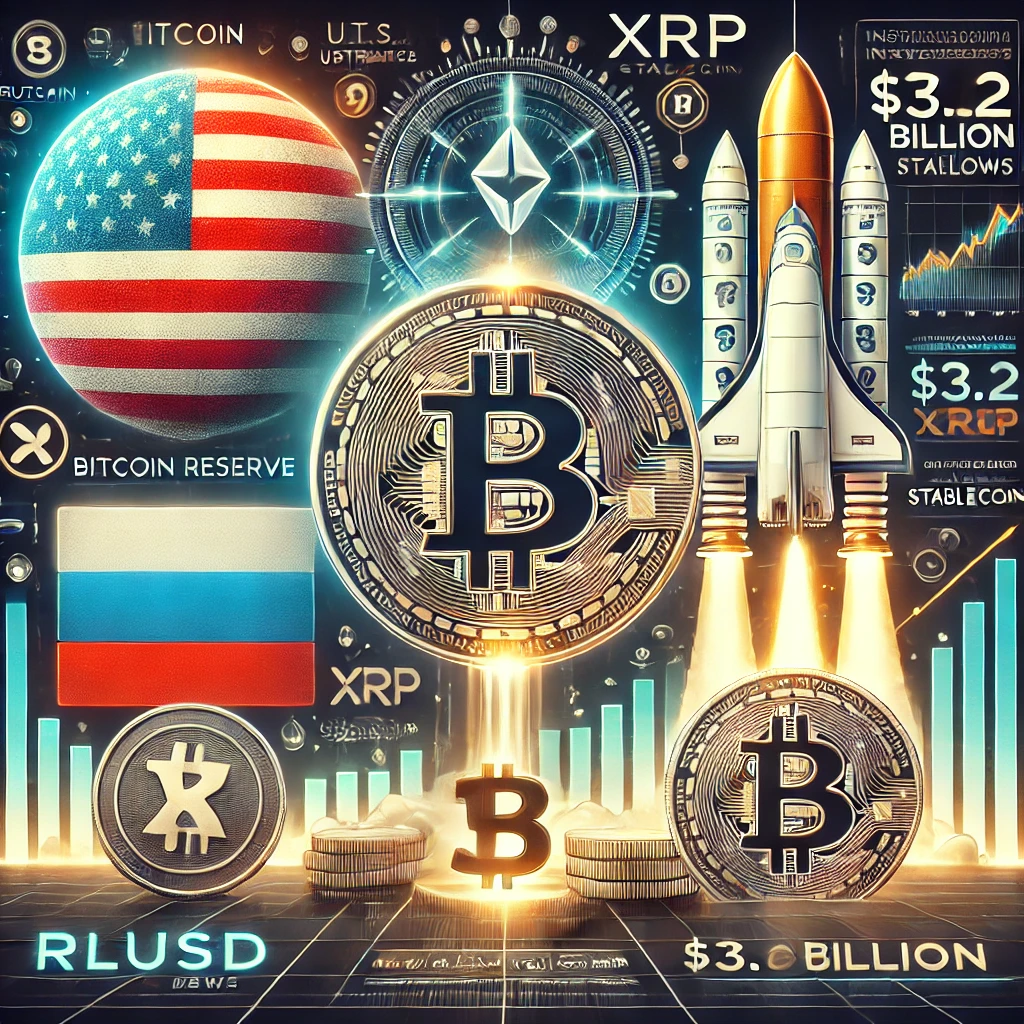
From the U.S.-Russia rivalry over Bitcoin reserves and MicroStrategy’s bold Bitcoin purchases to XRP’s growing utility through RLUSD stablecoin integration, the crypto world is buzzing with action. Bitcoin’s record-breaking surge past $106,000 and a staggering $3.2 billion in inflows to crypto products reflect rising institutional confidence and mainstream adoption. Dive into the stories driving the future of digital finance. 1.Could Trump’s Bitcoin Reserve Outflank Russia in the Global Crypto Arena? President-elect Donald Trump’s proposal to establish a U.S. strategic Bitcoin reserve aims to position the United States at the forefront of the global cryptocurrency landscape. This initiative is seen as a direct response to Russia’s increasing involvement in the crypto sector, including its plans to utilize Bitcoin for international trade settlements and as a means to circumvent economic sanctions. Senator Cynthia Lummis has introduced the “Bitcoin Act of 2024,” outlining a five-year strategy for the U.S. to acquire up to 1 million Bitcoins. Currently, the U.S. government holds approximately 200,000 confiscated Bitcoins, valued at around $20 billion, which could serve as the foundation for this reserve. Trump’s public statements emphasize the necessity for the U.S. to lead in crypto adoption to prevent other nations, particularly China and Russia, from gaining a strategic advantage. In contrast, Russia has been actively integrating cryptocurrencies into its financial system as part of a broader de-dollarization strategy. The Russian government officially recognizes Bitcoin and other digital assets as property, enabling their use in economic activities and strengthening its hold over the industry. This move is also considered a step towards reducing reliance on the U.S. dollar. Impact on the Crypto Market: The strategic initiatives by both the U.S. and Russia to establish Bitcoin reserves underscore the growing importance of cryptocurrencies in global finance. These developments are likely to enhance Bitcoin’s legitimacy as a reserve asset, potentially leading to increased adoption by other nations and institutional investors. The competition between major powers to accumulate Bitcoin could drive demand and influence its market value, further integrating cryptocurrencies into the international financial system. 2.MicroStrategy Hints at First Bitcoin Purchase Above $100,000 MicroStrategy, led by Michael Saylor, has hinted at its first Bitcoin purchase at an average price exceeding $100,000. Saylor’s recent social media activity suggests that the company has continued its Bitcoin acquisition strategy, potentially adding to its substantial holdings. As of December 15, MicroStrategy held approximately 423,650 Bitcoins, valued at over $43.6 billion. The company’s consistent investment in Bitcoin underscores its commitment to the cryptocurrency as a primary treasury reserve asset. This latest potential purchase aligns with Bitcoin reaching new all-time highs, recently surpassing $106,000. Impact on Crypto Market: MicroStrategy’s continued investment in Bitcoin at record-high prices reinforces institutional confidence in the cryptocurrency’s long-term value. Such significant purchases can contribute to market momentum, potentially influencing other institutional investors to consider similar strategies. This trend may lead to increased demand and further price appreciation in the Bitcoin market. 3. Stablecoin RLUSD to Drive Demand for XRP The launch of the RLUSD stablecoin is poised to significantly boost the demand for XRP. Georgios Vlachos, co-founder of the interoperability platform Axelar, highlighted that most RLUSD transactions will take place on the XRP Ledger (XRPL) and its Ethereum-compatible sidechain, both of which use XRP for gas fees. This integration marks a pivotal moment for XRP as it strengthens its utility in supporting stablecoin transactions. Stablecoins like RLUSD play a critical role in the crypto market by providing a stable medium of exchange and a reliable store of value, particularly in emerging economies. By facilitating seamless transactions on the XRPL, RLUSD enhances the practical use cases for XRP, expanding its reach and adoption. Impact on Crypto Market: The increasing reliance on XRP for stablecoin transactions bolsters its importance in the blockchain ecosystem. This development may attract more developers and users to the XRP Ledger, promoting its adoption in cross-border payments and other financial applications. 4. Bitcoin Surges Above $106,000 on Strategic Reserve Hopes Bitcoin has reached a new all-time high, surpassing $106,000, driven by speculation that the cryptocurrency could be designated as a U.S. reserve asset under President-elect Donald Trump’s administration. This record-breaking surge reflects heightened investor confidence and a growing belief in Bitcoin’s long-term value. The anticipation of regulatory clarity and favorable policies under the incoming administration has further fueled the bullish sentiment in the market. This milestone reinforces Bitcoin’s role as a strategic financial asset, garnering increased interest from institutional and retail investors alike. Analysts suggest that the adoption of Bitcoin as a reserve asset could further stabilize its price and enhance its position in the global financial ecosystem. Impact on Crypto Market: Bitcoin’s price surge highlights its growing acceptance as a mainstream asset. The potential adoption of Bitcoin as a reserve currency could pave the way for increased institutional investments and a broader integration of cryptocurrencies into traditional financial systems. 4.Bitcoin Products Lead with $2 Billion Inflows Bitcoin (BTC) investment products have emerged as the dominant force behind recent cryptocurrency inflows, attracting an impressive $2 billion in the past week alone. This surge underscores the continued confidence in Bitcoin as a leading digital asset, especially in the wake of significant political and economic developments. Since the conclusion of the U.S. presidential election, total inflows into Bitcoin-focused products have reached an astonishing $11.5 billion, marking a pivotal period of growth for institutional and retail adoption of BTC. Interestingly, short Bitcoin products have also seen a notable uptick in activity, with $14.6 million in inflows during the same period. This highlights the diverse strategies being employed by investors, who are hedging against potential price corrections while capitalizing on Bitcoin’s upward momentum. However, the total assets under management (AUM) for short Bitcoin products remain comparatively modest at $130 million, reflecting the broader market’s bullish sentiment toward Bitcoin as it continues to dominate as the primary investment vehicle in the cryptocurrency ecosystem. Impact on the Crypto Market The sustained inflows into cryptocurrency investment products reflect growing investor confidence and interest in digital assets. Bitcoin’s significant share of these inflows underscores its position