
Crypto Revolution 2024: Stablecoins, Bitcoin Integration, DeFi Interoperability, AI Synergy, and Market Sentiment Trends

From the rapid growth of stablecoins surpassing $200 billion to Vancouver’s bold Bitcoin adoption initiative, the narrative reflects a dynamic shift in digital finance. Key highlights include the evolving role of AI in blockchain, advances in DeFi interoperability, Bitcoin’s record-breaking rally, and changing market sentiments. With major players like Standard Chartered and Frax Finance leading innovations, the crypto ecosystem continues to redefine global finance, bridging the gap between traditional systems and decentralized technologies. Discover how these pivotal stories are driving the next chapter in the crypto revolution. 1. Opening Doors for Banks Under a Trump Administration The re-election of Donald Trump and his administration’s potential for easing banking regulations has drawn both excitement and skepticism. Proponents argue that deregulation can lead to a surge in banking sector mergers and acquisitions, enhancing competitiveness and growth opportunities. Critics, however, warn of the potential systemic risks, as loosening oversight has historically led to economic instability, notably during the 2008 financial crisis. This anticipated deregulatory shift also raises questions about the U.S.’s global economic positioning. While the removal of certain restrictions may empower domestic financial institutions, it could also erode trust in the financial system’s resilience, especially in times of economic stress. Balancing growth with stability will be a key challenge in this scenario. Impact on Crypto: A more deregulated banking environment could indirectly benefit cryptocurrencies by fostering innovation in financial technologies. As traditional banks seek to remain competitive, partnerships with blockchain and crypto firms could increase, bridging the gap between decentralized and traditional finance. 2. Stablecoin Market Cap Hits $200B Milestone, Could Double in 2025 as Adoption Accelerates The stablecoin market reaching $200 billion highlights its integral role in crypto ecosystems and beyond. Tether (USDT) and Circle’s USDC lead the pack, with the market expected to grow to $400 billion by 2025. Drivers include clearer regulations, adoption by fintech firms, and the introduction of stablecoin projects like PayPal’s PYUSD. Stablecoins are increasingly used for remittances, payments, and liquidity management. This growth underscores their potential to serve as a bridge between fiat and digital economies. However, concerns about over-centralization and the concentration of dominance by a few issuers remain critical. These issues need to be addressed to ensure the sustainable expansion of the stablecoin ecosystem. Impact on Crypto: The stablecoin boom boosts liquidity in the cryptocurrency market, allowing for smoother transactions and greater participation. As stablecoins grow, they provide the foundation for broader adoption of crypto assets, increasing the ecosystem’s stability and attractiveness to institutional investors. 3. Vancouver City Council Passes Pro-Bitcoin Motion Citing Fiat Challenges Vancouver’s initiative to explore Bitcoin integration represents a significant leap in municipal adoption of cryptocurrencies. The motion includes accepting taxes and fees in Bitcoin and exploring reserves held in BTC. This aligns the city with progressive approaches to hedging against inflation and fiat volatility. While the motion is ambitious, it also faces challenges. Bitcoin’s environmental footprint and price volatility could impede implementation. However, successful execution could set a precedent for other cities globally, signaling a broader acceptance of cryptocurrencies as part of public financial management. Impact on Crypto: If successful, Vancouver’s move could ignite a trend of Bitcoin adoption among other cities and institutions, enhancing Bitcoin’s legitimacy as a reserve and payment asset. It also strengthens the narrative of crypto as a hedge against inflation and fiat instability. 4. Will Bitcoin Price Hit New All-Time High Heading into FOMC? Bitcoin’s recent rally to $103,900 comes amid optimism over potential interest rate cuts and favorable inflation data. Historically, Bitcoin prices surge following FOMC meetings, with investors anticipating easier monetary policies as a boon for risk assets like cryptocurrencies. However, Bitcoin’s notorious volatility remains a concern. After its peak, prices corrected to $94,100, resulting in liquidations exceeding $1.7 billion. This underscores the fragility of the market despite bullish trends. Impact on Crypto: A dovish FOMC could pave the way for more capital inflows into cryptocurrencies, further driving Bitcoin and altcoin prices upward. Yet, volatility remains a significant hurdle for wider adoption and stability in the market. 5. Blockchain’s Interoperability Revolution: The Role of Orchestration in Enhancing DeFi Platforms Cross-chain orchestration is transforming decentralized finance (DeFi) by connecting isolated blockchain networks. Solutions like Agoric’s Orchestration API enable seamless interactions across chains, solving liquidity fragmentation issues and simplifying user experiences. These tools are pivotal for a unified DeFi ecosystem. By promoting more efficient liquidity management, cross-chain orchestration can also drive innovation. Developers and users alike benefit from an interconnected financial landscape, fostering the growth of multi-chain decentralized applications (dApps). Impact on Crypto: As interoperability becomes a reality, it increases the usability and attractiveness of DeFi platforms, drawing more participants into the crypto market. It positions DeFi as a competitive alternative to traditional financial systems, enhancing the sector’s long-term viability. 6. Frax Finance Working on Tech to Integrate AI and Blockchain Frax Finance’s initiatives to merge AI with blockchain aim to redefine DeFi innovation. Collaborations like its NEAR Protocol partnership highlight the potential of leveraging AI for scalability and efficiency. Products like frxNEAR represent new use cases for blockchain technology, pushing boundaries in DeFi. Additionally, Frax’s ongoing expansion into multi-chain ecosystems demonstrates its commitment to interoperability. By integrating AI into its blockchain infrastructure, Frax Finance is poised to create intelligent, adaptive financial systems tailored to user needs. Impact on Crypto: AI integration could usher in a new era for cryptocurrencies by enhancing efficiency and user experience in DeFi. Such developments may also attract tech-savvy investors, broadening the crypto market’s appeal. 7. Market Sentiment Shifts to Extreme Greed The Crypto Fear and Greed Index hitting “Extreme Greed” signals high investor confidence, driven by Bitcoin’s rally to $103,900. However, such exuberance often precedes heightened volatility, as evidenced by recent liquidations totaling $1.71 billion after Bitcoin corrected to $94,100. This sentiment-driven market dynamic emphasizes the cyclical nature of crypto investing, where extreme optimism can quickly turn into caution or panic. It underscores the importance of balanced trading strategies. Impact on Crypto: Extreme greed fuels short-term price surges but increases the likelihood of sharp corrections. While
Crypto 7 News : Ripple’s Stablecoin, Microsoft Bitcoin

Explore the latest developments shaping the cryptocurrency landscape: Ripple’s RLUSD stablecoin gains regulatory approval, bolstering confidence in stablecoins; Bitcoin experiences a sharp downturn with $1.5 billion in liquidations, highlighting market volatility; and MicroStrategy nears inclusion in the Nasdaq 100, signaling growing institutional recognition of crypto-focused firms. El Salvador and Argentina form a partnership to advance cryptocurrency adoption and regulatory innovation, while Floki Inu launches a crypto debit card across Europe, enhancing real-world utility for digital assets. Additionally, Google’s quantum computing advancements spark fresh debates about Bitcoin’s security, and Microsoft shareholders reject a Bitcoin treasury proposal, reflecting corporate caution. Dive into how these updates influence the evolving crypto ecosystem! 1. Microsoft Shareholders Reject Bitcoin Treasury Proposal Microsoft shareholders have voted against a proposal to allocate part of the company’s treasury to Bitcoin. Despite recognizing Bitcoin’s potential as a hedge against inflation, the board cited concerns about its volatility and preferred focusing on stable, traditional investments. While the initiative was rejected, Microsoft has affirmed its continued observation of the crypto space, with CFO Amy Hood highlighting the company’s history of accepting Bitcoin as a form of payment since 2014. This cautious stance underscores the hesitancy of many corporations to adopt cryptocurrencies despite their growing prominence. By rejecting this proposal, Microsoft aligns itself with other conservative industry giants who prioritize stability over innovation in financial strategies. Impact on Crypto: Microsoft’s rejection could dampen expectations for widespread corporate adoption of Bitcoin in the short term. However, the company’s acknowledgment of digital assets maintains a cautious optimism for future integration. 2. El Salvador and Argentina Collaborate on Crypto Development El Salvador and Argentina have signed an agreement to advance cryptocurrency adoption and regulatory frameworks. El Salvador, the first country to make Bitcoin legal tender, will share its insights with Argentina, which is exploring crypto solutions to combat inflation. The collaboration focuses on knowledge exchange, policy development, and fostering innovation to strengthen crypto ecosystems in both nations. This partnership signals growing interest in digital assets as tools for economic stability, especially in regions grappling with economic challenges. By working together, the two countries aim to build a more inclusive and regulated crypto market. Impact on Crypto: This agreement highlights Latin America’s leadership in cryptocurrency adoption, potentially attracting global investors and accelerating digital asset integration in emerging economies. 3. Ripple’s RLUSD Stablecoin Gains Regulatory Approval Ripple has received regulatory approval for its RLUSD stablecoin from the New York State Department of Financial Services (NYDFS). The announcement was followed by a 6% surge in XRP’s price, reflecting investor confidence in Ripple’s expanding product offerings. RLUSD is poised to enhance Ripple’s portfolio, increasing its adoption in financial systems and bolstering its reputation in the digital asset space. This approval aligns with the broader trend of integrating regulated stablecoins into the financial ecosystem. Ripple’s move could set a precedent for other crypto firms to follow. Impact on Crypto: The approval of RLUSD strengthens Ripple’s market position and underscores the importance of regulatory compliance, paving the way for wider stablecoin adoption in mainstream finance. 4. MicroStrategy Eyes Inclusion in Nasdaq 100 MicroStrategy is on track to join the Nasdaq 100 index, with the final decision expected soon. This inclusion could drive an estimated $2.1 billion in inflows from ETFs tracking the index. MicroStrategy’s significant Bitcoin holdings—currently valued at over $42 billion—have played a pivotal role in its stock’s appreciation and market relevance. While some analysts caution that its classification as a financial stock may affect its eligibility, the move reflects growing recognition of cryptocurrency-focused companies in traditional financial indices. Impact on Crypto: MicroStrategy’s potential inclusion in the Nasdaq 100 highlights the integration of Bitcoin-related firms into mainstream markets, boosting institutional confidence in digital assets. 5. Google’s Quantum Chip Sparks Bitcoin Security Debate Google’s new quantum computing chip, Willow, has reignited concerns about the potential vulnerability of Bitcoin’s cryptographic algorithms to quantum attacks. While the chip showcases significant advancements, experts agree that current quantum capabilities are far from being able to compromise Bitcoin’s SHA-256 encryption. Developing a system with millions of qubits required for such an attack could take decades. The crypto community is already exploring quantum-resistant cryptographic methods to ensure long-term security. These proactive measures indicate the industry’s readiness to adapt to technological advancements. Impact on Crypto: Though the immediate threat is minimal, Google’s progress underscores the importance of ongoing research into quantum-resistant technologies, reinforcing Bitcoin’s resilience against future risks. Key Takeaways from the Latest Cryptocurrency Developments Corporate Hesitancy on Bitcoin Investments: Microsoft’s rejection of a Bitcoin treasury proposal reflects ongoing caution among corporations toward cryptocurrency adoption, prioritizing stability over innovation despite growing interest in digital assets. Latin America Leads Crypto Collaboration: The partnership between El Salvador and Argentina highlights Latin America’s proactive approach to cryptocurrency adoption, leveraging blockchain solutions to address inflation and foster economic stability. Ripple’s Regulatory Milestone: Regulatory approval of Ripple’s RLUSD stablecoin bolsters confidence in stablecoins as integral components of financial systems, setting the stage for wider adoption and integration of digital assets. Mainstream Recognition for Crypto Firms: MicroStrategy’s potential inclusion in the Nasdaq 100 underscores growing institutional acceptance of cryptocurrency-focused companies, signaling a major milestone for the industry’s mainstream integration. Quantum Computing and Crypto Security: Google’s quantum computing advancements highlight the importance of research into quantum-resistant cryptography to ensure long-term security for Bitcoin and other digital assets.not a financial advice. do your own research.
6 Key Crypto Developments: Bitcoin, Stablecoins, ETPs, Debit Cards & More

Explore the latest crypto developments, including Bitcoin’s growing institutional trust, Abu Dhabi’s approval of USDT, Binance’s compliance focus, Floki Inu’s debit card launch, market volatility from Bitcoin liquidations, and record-breaking crypto ETP inflows. Discover how these events shape the crypto landscape! 1. Ray Dalio Supports Bitcoin Amid Global Debt Concerns Renowned investor Ray Dalio has highlighted Bitcoin’s potential as a “hard money” asset alongside gold, especially in the context of rising global debt and currency devaluation. Dalio’s argument revolves around diversifying away from traditional debt instruments, which he believes are becoming riskier as debt levels reach unsustainable heights. While he remains partial to gold due to its stability, his acknowledgment of Bitcoin’s role reflects a growing recognition of cryptocurrencies among traditional investors. Dalio’s cautious optimism about Bitcoin stems from its decentralized nature and its potential as a hedge against inflation. However, he also emphasizes the volatility and risks associated with cryptocurrencies, suggesting that Bitcoin should complement, rather than replace, established safe-haven assets like gold. Impact on Crypto: Dalio’s recognition of Bitcoin as a viable asset enhances its credibility among institutional and traditional investors. This endorsement may attract new investors, increasing demand and potentially driving its price higher, despite his preference for gold. 2. Abu Dhabi Approves Tether (USDT) Stablecoin The Financial Services Regulatory Authority of Abu Dhabi has granted regulatory approval for Tether’s USDT stablecoin as an Accepted Virtual Asset (AVA). This enables financial service providers within the Abu Dhabi Global Market to offer services involving USDT, integrating it into the region’s regulated financial ecosystem. This approval applies to USDT across multiple blockchains, including Ethereum and Solana. This development aligns with Abu Dhabi’s ambition to become a global hub for digital finance. The integration of USDT into a regulated environment strengthens its credibility and utility, making it more appealing for institutional and retail users alike. Impact on Crypto: By bringing USDT into a regulated framework, Abu Dhabi enhances the legitimacy of stablecoins in global markets. This move could attract institutional investors and foster greater adoption of digital assets, particularly in the Middle East. 3. Binance Holds Back on U.S. Market Re-Entry Binance CEO Richard Teng has stated that re-entering the U.S. market is not a priority for the exchange following its $4.3 billion settlement with U.S. regulators. Instead, Binance is focusing on strengthening compliance globally and adapting to the regulatory environments in other jurisdictions. This decision underscores the challenges of operating in the U.S., where regulatory scrutiny remains high. The settlement, which resolved allegations of sanctions violations and inadequate anti-money laundering measures, has prompted Binance to revamp its compliance strategy. Teng’s comments suggest that the exchange is prioritizing long-term global operations over short-term U.S. market gains. Impact on Crypto: Binance’s cautious stance may lead to a shift in how crypto exchanges approach U.S. operations. This highlights the critical role of regulatory clarity in ensuring the sustainability of crypto businesses. 4. Floki Inu Launches Crypto Debit Card in Europe Floki Inu has introduced a crypto debit card that supports Bitcoin, Ethereum, and its own native token, FLOKI, among other cryptocurrencies. This card, available as both physical and virtual options, can be used across millions of merchants in 31 European countries that accept Mastercard. It represents a step toward making cryptocurrency more practical for everyday transactions. By offering low transaction fees and generous spending limits, Floki Inu aims to bridge the gap between crypto and traditional financial systems. This initiative supports the broader goal of integrating cryptocurrencies into mainstream financial use cases. Impact on Crypto: The Floki Inu debit card enhances crypto’s real-world utility, potentially encouraging broader adoption. It exemplifies how altcoins and major cryptocurrencies can co-exist and thrive in practical financial applications. 5. Crypto Market Downturn as Bitcoin Liquidations Hit $1.5 Billion The crypto market recently faced a significant decline, with Bitcoin dropping below $95,000. This downturn triggered over $1.5 billion in liquidations, with altcoins like Ethereum and Solana also experiencing substantial losses. The event highlights the volatility of the crypto market and the cascading effects of leveraged positions during a price decline. The market correction serves as a reminder of the risks associated with cryptocurrencies, particularly for traders using leverage. However, it also presents an opportunity for long-term investors to accumulate assets at lower prices. Impact on Crypto: The large-scale liquidations may deter speculative traders in the short term but could stabilize the market by reducing leveraged positions. This correction offers an entry point for long-term investors, potentially setting the stage for future growth. Key Takeaways from the Latest Cryptocurrency Analysis Bitcoin Gains Traditional Investor Endorsement: Ray Dalio’s recognition of Bitcoin as a “hard money” asset alongside gold highlights growing acceptance of cryptocurrencies among traditional investors. His cautious support could attract more institutional interest despite emphasizing Bitcoin’s volatility. Abu Dhabi Welcomes Stablecoins: The regulatory approval of Tether (USDT) in Abu Dhabi reflects a pivotal move toward mainstream stablecoin integration. This step strengthens the credibility of digital assets in regulated markets and encourages institutional participation. Binance Focuses on Global Compliance: Binance’s decision to hold off on U.S. market re-entry underscores the complexities of regulatory challenges. The exchange’s global compliance efforts may serve as a model for crypto businesses navigating strict regulations. Floki Inu Advances Crypto Utility: The launch of Floki Inu’s crypto debit card bridges the gap between digital and traditional financial systems, enhancing cryptocurrency’s practical use in everyday transactions and promoting broader adoption. Market Volatility Highlights Risks and Opportunities: The recent $1.5 billion Bitcoin liquidations highlight the inherent risks of leveraged trading in volatile markets. However, corrections offer opportunities for long-term investors to accumulate assets at lower prices.
4 Groundbreaking Crypto Updates: Bitcoin Whales, ETFs, ETPs & State Investments

Discover the latest in cryptocurrency news: Florida’s $1.85 billion Bitcoin investment, record-breaking Bitcoin whale accumulation, unprecedented inflows into spot Ethereum ETFs, and crypto ETPs hitting $3.85 billion in weekly investments. Learn how these developments are shaping the future of digital assets and driving mainstream adoption. 1. Florida Pension Fund Allocates $1.85 Billion to Bitcoin Florida has announced a groundbreaking decision to invest $1.85 billion from its state pension fund into Bitcoin. This initiative, led by Governor Ron DeSantis, marks one of the most significant public pension allocations to cryptocurrency. The investment, to be phased in over 18 months, aims to leverage Bitcoin’s deflationary characteristics as a hedge against inflation and market volatility. To maintain diversification, the Florida State Board of Administration (SBA) has capped the allocation at 5% of the total pension portfolio. By positioning itself as a pioneer in cryptocurrency investment among U.S. states, Florida is setting a new precedent for how public funds can integrate digital assets. This move reflects growing confidence in Bitcoin’s potential to deliver long-term financial returns, especially as institutional interest in crypto assets continues to surge. Impact on Crypto: Florida’s substantial investment is likely to enhance institutional confidence in Bitcoin and the broader crypto market. It may pave the way for other states and pension funds to consider similar strategies, potentially driving up demand and strengthening Bitcoin’s position as a mainstream financial asset. 2. Bitcoin Whales Ramp Up Accumulation Bitcoin whales have increased their accumulation, adding significant volumes of BTC to their holdings in November and December. Recent reports show that in a single day, whales purchased over 16,000 BTC, valued at $1.5 billion. This trend has continued, with an additional 20,000 BTC worth $2 billion acquired in just 24 hours. Such patterns of accumulation suggest that large investors are taking advantage of price dips to secure long-term positions. Historically, whale activity like this often precedes major price surges, as reduced supply on exchanges can lead to upward price pressure. This behavior aligns with Bitcoin’s recent historic milestone of surpassing $100,000, reflecting strong bullish sentiment among major market participants. Impact on Crypto: Whale accumulation is a strong bullish signal for the cryptocurrency market. Reduced supply and increased confidence from large investors can contribute to price rallies, potentially triggering broader market growth and encouraging retail participation. 3. Spot Ethereum ETFs Set Record Weekly Inflows Spot Ethereum ETFs have achieved record inflows, with $515 million pouring into these funds between November 9 and November 15. This marked the largest weekly inflow since their introduction earlier in 2024. Major players such as Fidelity and BlackRock have led the charge, indicating robust institutional interest. On November 29, Ethereum ETFs surpassed Bitcoin ETFs in net inflows, reflecting growing confidence in Ethereum’s potential in DeFi and NFTs. The inflows highlight a shift in focus from Bitcoin to Ethereum as the second-largest cryptocurrency gains traction among institutional investors. With Ethereum prices climbing and increasing adoption of its blockchain solutions, this trend may continue to gain momentum. Impact on Crypto: The record inflows into Ethereum ETFs signify strong institutional endorsement, potentially driving liquidity and price stability for ETH. This growing confidence could further accelerate innovation in Ethereum-based technologies and enhance its role as a cornerstone of the crypto ecosystem. 4. Crypto ETPs Hit $3.85 Billion in Weekly Inflows Crypto exchange-traded products (ETPs) saw an unprecedented $3.85 billion in weekly inflows, coinciding with Bitcoin’s historic climb past $100,000. Bitcoin ETPs led the inflows, accounting for $2.5 billion, while Ethereum products attracted $1.2 billion—their highest weekly inflow to date. Meanwhile, outflows from Solana products indicate a shift toward more established cryptocurrencies like Bitcoin and Ethereum. These record-breaking inflows reflect growing institutional interest in crypto assets, bolstered by regulatory clarity and increased adoption of crypto financial products. With total assets under management reaching $165 billion, crypto ETPs are cementing their role in bridging traditional finance and the digital economy. Impact on Crypto: The surge in crypto ETP investments enhances liquidity, stability, and institutional trust in digital assets. As more funds flow into Bitcoin and Ethereum products, the overall market is likely to see increased adoption and integration into mainstream finance. Key Takeaways from the Latest Cryptocurrency Developments Florida’s Bitcoin Bet: Florida’s $1.85 billion pension fund investment in Bitcoin highlights growing public sector confidence in cryptocurrency as a hedge against inflation and a viable long-term asset. This may set the stage for broader adoption by other states and institutional funds. Bitcoin Whales Signal a Bullish Market: Increased Bitcoin accumulation by whales suggests strong confidence in the cryptocurrency’s long-term potential. This trend historically leads to reduced market supply and significant price surges, signaling a possible broader market rally. Ethereum ETFs Steal the Spotlight: Record inflows into spot Ethereum ETFs demonstrate rising institutional interest in Ethereum, with investors increasingly viewing it as a cornerstone for blockchain innovations in DeFi and NFTs. This momentum could further stabilize and enhance Ethereum’s market position. Crypto ETPs Surge to Record Levels: With $3.85 billion in weekly inflows, crypto ETPs underline accelerating institutional adoption of digital assets. This milestone enhances market liquidity and bridges the gap between traditional finance and the crypto economy, solidifying digital assets as a key part of investment portfolios.
Bitcoin 4 Key Updates: Bitcoin Hits $100K, Inflation, Tax Breaks & More

bitcoin latest cryptocurrency news, including Bitcoin surpassing $100K, Michael Saylor’s call for Bitcoin as a U.S. reserve, the Czech Republic’s tax incentives for long-term crypto holders, and how inflation data might shape the market. Discover the trends driving the crypto economy forward! 1. Michael Saylor Suggests the U.S. Should Replace Gold Reserves with Bitcoin Michael Saylor, the founder of MicroStrategy, has made headlines with his bold suggestion that the U.S. should sell its gold reserves and instead invest in Bitcoin. According to Saylor, such a move could cement the country’s financial dominance, as Bitcoin’s fixed supply and global adoption potential make it a superior asset to gold. He further proposed that the U.S. acquire 20-25% of the current Bitcoin supply, a strategy he believes would lead other nations to follow suit and increase the global demand for Bitcoin. Saylor’s rationale rests on the premise that Bitcoin offers unparalleled security, portability, and potential for long-term value appreciation compared to gold. He predicts this approach could significantly elevate the U.S.’s Bitcoin holdings’ valuation, potentially reaching $100 trillion. Saylor’s endorsement reflects growing institutional advocacy for Bitcoin as a transformative financial asset, challenging traditional notions of reserve assets. Impact on Crypto: Saylor’s proposal, while ambitious, reflects growing mainstream acceptance of Bitcoin as a “digital gold.” If even partially implemented, such an approach would likely catalyze a historic surge in Bitcoin prices, validate its use as a national reserve, and drive institutional adoption worldwide. This could also reduce gold’s appeal among investors, potentially reshaping the broader financial landscape. 2. U.S. CPI Data Could Influence Crypto Rally The cryptocurrency market is bracing for the release of the U.S. Consumer Price Index (CPI) data, with inflation expected to tick up to 2.7%. The data, along with the Producer Price Index (PPI), will play a critical role in shaping Federal Reserve policies and market sentiment. Historically, higher inflation tends to diminish risk appetite among investors, potentially impacting Bitcoin and altcoin performance. Despite this, the crypto market remains buoyant, with Bitcoin recently hitting an all-time high of $103,900. Optimism around pro-crypto regulations following Donald Trump’s election win has spurred confidence in continued growth. Market watchers suggest that while short-term volatility might occur due to inflation fears, the crypto rally could persist due to bullish fourth-quarter trends. Impact on Crypto: The CPI report could act as a short-term catalyst for volatility. A higher-than-expected inflation rate may lead to a temporary pullback in crypto prices as risk aversion sets in. However, with pro-crypto regulatory tailwinds and robust market sentiment, any dips are likely to be short-lived, presenting buying opportunities for long-term investors. 3. Bitcoin Surpasses $100,000, Signaling a New Era Bitcoin has achieved a monumental milestone, exceeding $100,000 for the first time. The surge is attributed to optimism surrounding pro-crypto policies expected under Donald Trump’s administration. Promises to establish a strategic Bitcoin reserve and appoint crypto-friendly regulators, like Paul Atkins, have further fueled investor confidence. The recent approval of Bitcoin ETFs by the SEC has also expanded institutional access, contributing significantly to the rally. This development marks a turning point for Bitcoin’s adoption. Institutions like BlackRock are increasingly embracing Bitcoin as a credible investment asset, a trend that may drive sustained demand. Analysts believe the $100,000 mark is just the beginning, with expectations for continued growth as mainstream adoption accelerates. Impact on Crypto: Bitcoin crossing the $100,000 threshold is a psychological and market-shifting event, reinforcing its status as a mainstream asset. This milestone could attract a new wave of retail and institutional investors, leading to broader adoption of cryptocurrencies. The rally may also positively influence altcoin markets, as rising interest in Bitcoin often spills over into the broader crypto ecosystem. 4. Czech Republic Introduces Tax Exemptions for Long-Term Bitcoin Holders In a significant policy shift, the Czech Republic has announced that long-term Bitcoin holders will no longer be required to pay capital gains tax if they hold the asset for over three years. This law, effective January 2025, aligns cryptocurrencies with traditional securities in terms of tax treatment. Transactions under a threshold of CZK 100,000 (approximately $4,200) will also be exempt from reporting requirements. This move is part of the Czech Republic’s broader effort to encourage innovation and attract cryptocurrency investors. By offering favorable tax policies, the country is positioning itself as a crypto-friendly jurisdiction, likely spurring more local and international investments in digital assets. Impact on Crypto: The Czech Republic’s tax exemption sets a progressive precedent for other nations. As regulatory clarity increases, investor confidence is likely to grow, potentially driving higher crypto adoption rates. Such policies could also influence global tax reforms, encouraging other governments to introduce similar incentives to attract blockchain and crypto investments. Key Takeaways from the Latest Cryptocurrency Updates Bitcoin as a National Reserve Asset: Michael Saylor’s proposal for the U.S. to replace gold reserves with Bitcoin highlights a growing institutional belief in Bitcoin’s superiority as a long-term store of value. While ambitious, such an endorsement strengthens Bitcoin’s narrative as “digital gold.” Inflation and Crypto Sentiment: The upcoming U.S. CPI and PPI reports will be pivotal in determining short-term market volatility. Higher inflation rates could momentarily suppress risk appetite, but ongoing pro-crypto policies and market optimism are likely to maintain a bullish trajectory for Bitcoin and altcoins. Bitcoin’s $100,000 Milestone: Surpassing the $100,000 mark underscores Bitcoin’s maturity as a global financial asset. This achievement is expected to drive further institutional and retail adoption while fostering confidence in the broader cryptocurrency market. Czech Republic’s Crypto Tax Incentives: Favorable tax policies in the Czech Republic set a positive precedent for the global crypto ecosystem. By exempting long-term holders from capital gains tax, the country signals its commitment to fostering innovation and attracting crypto investments.
5 Key Crypto Developments: Job Growth, Privacy Wins, Energy Debates, Regulatory Shifts, and Bitcoin’s Milestone

Explore the latest in cryptocurrency: U.S. job growth’s impact on markets, a court victory for decentralized privacy tools, Bitcoin’s energy debates, regulatory shifts for Solana ETFs, and Bitcoin’s historic $100K milestone. Learn how these developments shape the crypto landscape! 1. U.S. Added 227K Jobs in November, Topping Estimates for 200K In November 2024, the U.S. labor market displayed strong resilience by adding 227,000 jobs, exceeding expectations of 200,000. This growth rebounded from October’s significantly weaker performance, which was largely attributed to disruptions caused by hurricanes and strikes. Notably, the unemployment rate saw a slight increase to 4.2%, while average hourly earnings climbed by 0.4%, marking a year-over-year rise of 4%. Gains in sectors such as healthcare, leisure, hospitality, and government were particularly strong, while the retail sector saw a decline of 28,000 jobs. This job growth data underscores the continued robustness of the U.S. economy, despite ongoing challenges such as inflationary pressures and high interest rates. Financial markets responded positively, with the S&P 500 and Nasdaq hitting record highs, although the Dow Jones Industrial Average experienced a slight dip. The Federal Reserve is likely to factor this data into its next meeting, with markets increasingly anticipating a 25 basis point rate cut as policymakers assess broader economic dynamics. Impact on Crypto The strong job report could have indirect effects on the cryptocurrency market. Positive economic growth might reduce investor reliance on cryptocurrencies as a hedge against uncertainty, potentially leading to a subdued demand for speculative assets. However, the anticipated rate cut by the Federal Reserve could reignite interest in Bitcoin and other digital currencies as investors seek higher returns amid a lower-yield environment. These mixed signals make the job report a key macroeconomic factor for crypto traders. 2. Ending the Treasury Department’s Regulatory Overreach on Crypto Mixer Tornado Cash In a landmark ruling, the U.S. Court of Appeals for the Fifth Circuit overturned the Treasury Department’s sanctions on Tornado Cash, a cryptocurrency mixer. The court deemed that Tornado Cash’s immutable smart contracts do not constitute “property” under the International Emergency Economic Powers Act (IEEPA), meaning that the Treasury Department lacked the legal authority to sanction the tool. This decision challenges the scope of government oversight over decentralized technologies, emphasizing the need for Congress to address regulatory gaps. The ruling has broader implications for privacy-focused blockchain tools and services, which have often been in regulatory crosshairs. While the Treasury Department’s sanctions targeted Tornado Cash due to its alleged use for illicit activities, including laundering funds tied to North Korea’s Lazarus Group, the court’s decision highlights the importance of distinguishing between technology and its misuse. The case sets a precedent that autonomous software tools, without centralized control, may fall outside the scope of traditional regulatory frameworks. Impact on Crypto The decision is a significant win for the cryptocurrency community, particularly for projects focused on privacy and decentralization. Tornado Cash’s native token, TORN, experienced a dramatic 400% price surge, reflecting renewed investor confidence in privacy-preserving technologies. Furthermore, the ruling could embolden developers to create decentralized tools without fear of regulatory overreach, potentially fostering innovation across the crypto ecosystem. 3. Bitcoin Energy Consumption Index Eyes All-Time High Bitcoin’s energy consumption has reached record levels, estimated to range between 91 and 177 terawatt-hours (TWh) annually—equivalent to the electricity usage of countries like Finland. This spike is largely driven by the increasing computational power needed for mining, as miners deploy advanced hardware to stay competitive. However, the environmental implications of such energy use have drawn criticism, particularly given the reliance on fossil fuels for a majority of mining operations. The environmental challenges have reignited debates about Bitcoin’s sustainability. While proponents argue that efforts to shift toward renewable energy sources and optimize mining efficiency can reduce the environmental footprint, critics remain skeptical. Furthermore, the decentralized nature of Bitcoin mining makes implementing universal standards difficult. These energy concerns are intensifying as Bitcoin adoption grows, putting additional pressure on miners and the broader ecosystem to address sustainability. Impact on Crypto Bitcoin’s rising energy consumption poses reputational risks to the broader cryptocurrency market, particularly as regulators and environmental groups scrutinize its impact. While this may deter environmentally conscious investors, it also opens avenues for blockchain projects promoting greener consensus mechanisms, such as proof-of-stake, to gain traction. The energy debate underscores the need for innovation within the crypto space to ensure long-term adoption and acceptance. 4. Bloomberg Analyst Predicts Next Move as SEC Rejects Solana ETF Filings The SEC’s decision to reject applications for Solana-based spot ETFs reflects its cautious stance on cryptocurrency investment products. While this move aligns with the SEC’s broader regulatory approach under Chair Gary Gensler, analysts believe the landscape could shift following the anticipated leadership change under the incoming Trump administration. Paul Atkins, Trump’s pick for SEC Chair, is known for his crypto-friendly stance, raising hopes for a more accommodating regulatory environment in 2025. The rejection has not dampened investor enthusiasm for Solana, with the token trading steadily at $240.74. Market participants appear to be optimistic about the network’s long-term potential, viewing current regulatory hurdles as temporary. Additionally, the Solana ecosystem continues to thrive with growing adoption and innovative projects, further reinforcing confidence in its resilience despite regulatory challenges. Impact on Crypto The rejection of Solana ETF filings underscores the challenges cryptocurrencies face in gaining mainstream financial acceptance. However, the potential for regulatory reforms under new leadership presents a silver lining for the crypto industry. If ETFs focused on assets like Solana eventually receive approval, they could unlock significant institutional investment, propelling market growth and further legitimizing digital assets as viable investment vehicles. 5. Bitcoin Price Bounces Back Above $100K Following Liquidation Bloodbath Bitcoin recently achieved a historic milestone, breaching the $100,000 mark to reach an all-time high of $103,853. This rally was fueled by bullish sentiment surrounding President-elect Trump’s crypto-friendly policies and Federal Reserve Chair Jerome Powell’s positive remarks about Bitcoin’s role as a store of value. However, the rally was short-lived, with Bitcoin’s price briefly plummeting below $93,000 due to over $1 billion in
6 Global Shifts in Crypto, Currency, and Finance: From De-Dollarization to Digital Innovation

Exploring 6 key global shifts in crypto, currency, and finance, from de-dollarization to digital innovation and AI leadership. 1. India’s Retreat from De-Dollarization Amid Trump’s Pressure India’s decision to step back from the BRICS de-dollarization agenda highlights the geopolitical influence of U.S. policies under Donald Trump. Following his threats to impose 100% tariffs on BRICS nations pursuing alternatives to the dollar, the Reserve Bank of India clarified that de-dollarization was not under consideration. This pivot reflects India’s pragmatic approach to maintaining economic stability and its significant trade relationship with the U.S. Despite initial discussions within BRICS about creating a new currency, India’s stance underscores a preference for minimizing risks amid global financial uncertainties. Russia, however, remains committed to de-dollarization, developing a BRICS payment system regardless of U.S. resistance. This divergence in strategies within the BRICS bloc reveals the complexities of global financial realignment. While India prioritizes economic stability over ideological shifts, Russia sees dollar alternatives as vital to countering Western economic dominance, hinting at varied trajectories within the bloc. Impact: The rift within BRICS could weaken the bloc’s unified stance on global monetary reform, potentially slowing progress on de-dollarization efforts. For global markets, India’s alignment with the dollar reassures investors of continued stability in its financial and trade systems, while Russia’s insistence on alternatives could push smaller nations to explore de-dollarization cautiously. 2. Bitcoin’s Trajectory to Replace Gold: Bernstein’s Vision Bernstein’s analysis predicts Bitcoin’s rise as a primary store of value, potentially replacing gold within the next decade. Key factors driving this transformation include Bitcoin’s low correlation with traditional assets, its hedge against economic instability, and growing institutional adoption. Recent milestones, such as Bitcoin surpassing $100,000, signal the asset’s increasing maturity and widespread acceptance. Bernstein’s outlook aligns with the narrative of Bitcoin transitioning from a speculative asset to a core component of financial portfolios. Support from influential figures like Federal Reserve Chair Jerome Powell further legitimizes Bitcoin’s position. Powell’s acknowledgment of Bitcoin as “digital gold” reflects a broader institutional recognition of its potential. This, coupled with its finite supply and blockchain transparency, positions Bitcoin as a modern, reliable alternative to traditional assets like gold. Impact: The growing acceptance of Bitcoin as a digital store of value could reshape investment strategies, redirecting capital flows from traditional assets. However, the transition also brings challenges, including regulatory scrutiny and technological risks. As Bitcoin solidifies its place, gold markets may face declining demand, creating ripples across commodity investments. 3. Digital Euro: A Revolution or a Risk for Europe? The European Central Bank (ECB) is spearheading the development of the digital euro to modernize Europe’s financial system and strengthen the eurozone’s autonomy. By reducing reliance on foreign payment providers like Visa and Mastercard, the digital euro aims to ensure efficiency and sovereignty in cross-border transactions. The ECB plans to finalize its infrastructure by 2025, balancing innovation with robust risk management and user-centric design. However, the initiative has sparked privacy concerns. Critics argue that the digital euro could pave the way for increased government surveillance over financial activities, raising alarms about potential misuse. The ECB, aware of these fears, emphasizes its commitment to protecting privacy, signaling a delicate balance between innovation and public trust. Impact: If implemented successfully, the digital euro could transform Europe’s payment landscape, bolstering economic resilience and sovereignty. Yet, privacy concerns could hinder adoption, emphasizing the need for transparent governance and stakeholder collaboration. The project’s success will likely set a precedent for other regions exploring CBDCs. 4. Copper’s USDC Integration Drives Sui Blockchain’s Growth Copper’s integration of the USDC stablecoin into the Sui blockchain has propelled the network to new heights, with SUI reaching an all-time high of $4.40. This integration enhances Sui’s decentralized finance (DeFi) ecosystem, which now boasts over $2 billion in total value locked (TVL). By offering enterprise-grade custody and seamless transactions, USDC’s inclusion signals growing institutional interest in Sui’s expanding infrastructure. Further solidifying its ecosystem, Phantom Wallet introduced multi-chain support and asset swap features for Sui users, boosting security and accessibility. These advancements reflect Sui’s strategy to attract broader adoption, particularly among institutional players seeking reliable DeFi platforms. Impact: The integration of USDC significantly enhances Sui’s market position, fostering trust among institutional investors. This development could accelerate Sui’s DeFi ecosystem growth, positioning it as a key player in the blockchain landscape. For the broader crypto market, Sui’s success showcases the importance of interoperability and stablecoin integration in driving blockchain adoption. 5. Putin’s Digital Ruble: A Strategic Leap Toward De-Dollarization Russia’s launch of the digital ruble marks a pivotal step in its effort to modernize its financial system and reduce dependency on the U.S. dollar. By integrating the digital ruble into its federal budget by 2025, Russia aims to streamline domestic transactions while enhancing financial sovereignty. This initiative aligns with Moscow’s broader de-dollarization strategy, emphasizing economic independence amid Western sanctions. Designed to complement cash and non-cash rubles, the digital ruble ensures seamless payments while safeguarding against external economic pressures. By spearheading a state-controlled CBDC, Russia seeks to position itself as a global leader in digital financial solutions, reducing reliance on Western-dominated financial systems. Impact: The digital ruble’s success could influence other nations exploring CBDCs as tools for financial autonomy. While it strengthens Russia’s internal economy, it could also intensify geopolitical tensions, with Western nations viewing the move as a challenge to the dollar’s dominance. For global markets, the adoption of digital currencies could signify a gradual shift toward a multipolar financial order. 6. David Sacks Appointed as Cryptocurrency & AI Czar Donald Trump’s appointment of David Sacks as the White House Cryptocurrency and AI Czar signifies a strategic focus on technological innovation. Sacks, a prominent venture capitalist with deep expertise in fintech, is tasked with creating a regulatory framework for cryptocurrencies and advancing AI policy. His appointment underscores the Trump administration’s intent to position the U.S. as a global leader in these transformative sectors. The market responded positively to this development, with Bitcoin surpassing $100,000 shortly after the announcement. This surge reflects heightened investor optimism about a more supportive
6 Key Crypto Developments: Bitcoin’s $100K, BRICS Adoption, and More

Bitcoin tops $100K, BRICS explore crypto, Mt. Gox stirs concerns, and Powell likens BTC to gold. 1. Putin Considers Cryptocurrency for BRICS Investment Platform The BRICS nations are exploring the use of digital currencies to reduce their reliance on the U.S. dollar, reflecting a significant shift in global economic strategies. Spearheaded by Russia’s President Vladimir Putin, this initiative aligns with the bloc’s larger goal of economic independence and a multipolar world order. The plan includes developing a blockchain-based payment system, BRICS Pay, to facilitate cross-border transactions, showcasing the alliance’s commitment to technological innovation in finance. The move marks a growing trend among emerging economies to challenge Western-dominated financial systems. By embracing cryptocurrencies and blockchain technology, BRICS countries not only aim to diversify their reserves but also create more inclusive financial systems. If successful, this initiative could serve as a blueprint for other regions seeking to enhance economic sovereignty through digital assets. Impact: The potential adoption of cryptocurrencies by BRICS nations could spur global acceptance and legitimacy of digital currencies. It may also intensify geopolitical shifts, reducing the dollar’s dominance and encouraging similar moves by other global alliances. 2. Mt. Gox Moves 24K BTC as Bitcoin Tops $100K The historic rise of Bitcoin past the $100,000 mark has been accompanied by a massive transfer of 24,000 BTC from the defunct Mt. Gox exchange. While this transfer is linked to the ongoing repayment process for creditors, the sheer volume of Bitcoin involved has raised concerns about market stability. Some investors fear a potential sell-off, as this amount holds the power to influence short-term price dynamics. The move has highlighted the complexities of market timing and the lingering impact of historical events, like Mt. Gox’s collapse in 2014. It also underlines the importance of transparency in the crypto ecosystem, as large transactions can cause speculation and volatility. Impact: Despite short-term concerns, Bitcoin’s surge beyond $100K showcases strong market demand and growing adoption. However, the Mt. Gox transfer serves as a reminder of the market’s sensitivity to whale activity and the need for cautious trading strategies. 3. Bitcoin Officially Hits $100,000 for the First Time Bitcoin’s climb past $100,000 is a historic moment, driven by increasing institutional adoption and regulatory clarity. The psychological significance of this milestone cannot be understated, as it represents the culmination of years of growth, innovation, and mainstream acceptance. Analysts predict continued volatility but believe the long-term trajectory remains bullish. As Bitcoin’s value solidifies at six figures, its role as a dominant financial asset becomes clearer. This surge is seen as a testament to its resilience against economic uncertainty and its growing appeal as an alternative to traditional assets like gold. Impact: Crossing the $100K barrier positions Bitcoin as a serious contender in global finance, potentially attracting new investors and fostering greater institutional participation. This milestone also sets the stage for altcoins to gain momentum as investor confidence in the crypto market grows. 4. Bitcoin Dominance Rises to 57% as BTC Reaches $104K Bitcoin’s dominance has climbed to 57%, signaling its renewed strength in the market as its price surges to $104,000. This rise has temporarily paused the anticipated “altseason,” with investors focusing heavily on BTC. The Bitcoin Fear & Greed Index reaching “extreme greed” levels reflects growing market enthusiasm. The increased dominance underscores Bitcoin’s role as the preferred choice for both retail and institutional investors during market rallies. However, it also highlights the cyclical nature of the market, with altcoins likely to regain momentum once Bitcoin stabilizes. Impact: Bitcoin’s growing dominance could delay altcoin breakouts in the short term, but it also reinforces BTC’s position as the market leader. This trend may encourage traditional financial institutions to further integrate Bitcoin into their portfolios. 5. Putin Advocates Bitcoin as a Replacement for Dollar Reserves Russian President Vladimir Putin has called for reducing dependency on the U.S. dollar in favor of Bitcoin and other assets. This perspective reflects a broader strategy of dedollarization, emphasizing the need for financial sovereignty amidst geopolitical tensions. Putin’s statements align with Russia’s efforts to adopt digital assets as an alternative to traditional reserve currencies. This endorsement of Bitcoin marks a notable shift in its perception from speculative asset to a potential global reserve contender. By promoting Bitcoin, Putin also underscores the increasing viability of decentralized technologies in reshaping the global financial landscape. Impact: If Russia seriously adopts Bitcoin for reserve purposes, it could inspire other nations to consider similar measures, accelerating Bitcoin’s path toward mainstream acceptance. Such moves might also challenge the U.S. dollar’s hegemony on the global stage. 6. Fed Chair Powell Likens Bitcoin to Gold, Not a Dollar Rival Federal Reserve Chair Jerome Powell compared Bitcoin to gold, emphasizing its speculative nature rather than its practicality as a currency. According to Powell, Bitcoin serves as a digital alternative to gold, attracting investors seeking a hedge against traditional financial systems rather than directly competing with the dollar. This statement aligns with the narrative of Bitcoin as “digital gold,” reinforcing its role as an asset class rather than a transactional currency. Powell’s remarks may shape perceptions of Bitcoin among policymakers and institutional investors, framing it as complementary rather than disruptive to existing financial systems. Impact: By likening Bitcoin to gold, Powell indirectly acknowledges its legitimacy as a financial asset, which could bolster confidence among hesitant investors. This perspective might also influence regulatory approaches, potentially supporting Bitcoin’s continued integration into traditional finance. Key Takeaways BRICS Push for Cryptocurrency Adoption BRICS nations are actively exploring cryptocurrency and blockchain technologies to reduce reliance on the U.S. dollar and strengthen economic independence. This shift could inspire other global alliances to adopt similar strategies, further legitimizing digital assets in international finance. Bitcoin Surges Past $100,000 Amid Strong Demand Bitcoin’s historic rise above $100,000 highlights increasing institutional interest and regulatory clarity. This milestone cements Bitcoin’s role as a leading financial asset, driving greater public and institutional confidence. Mt. Gox Bitcoin Transfer Sparks Market Concerns The movement of 24,000 BTC from Mt. Gox raises questions about market stability and highlights the impact
7 Insights Into Crypto’s Evolution: From Bitcoin’s Dominance to Altcoin Resurgence

Explore 7 key developments in crypto, from Bitcoin’s dominance to altcoin trends and institutional breakthroughs in 2024. 1. Binance Coin (BNB) Price Skyrockets to New All-Time High, Rally Toward $1,000 Binance Coin (BNB) has reached a new all-time high of approximately $775, propelled by a bullish inverse head and shoulders pattern and strong technical indicators like the “golden cross.” This breakout signals the conclusion of bearish sentiment and has set the stage for renewed bullish momentum. Analysts have identified the $680-$700 range as a critical resistance zone, with BNB’s rally through this area affirming the onset of a long-term upward trend. The token’s trading volume has surged by 125%, reflecting heightened interest, while a 33.78% increase in open interest further underscores market confidence. The market’s optimism is mirrored in price projections, with targets above $1,000 now gaining credibility among traders. High-profile analysts like Ali have even suggested the possibility of BNB climbing to $1,630, conditional on maintaining critical support levels. This surge reflects Binance’s growing influence in the cryptocurrency ecosystem, particularly as its native token solidifies its utility and investment appeal. Impact: The rally of BNB represents more than just a technical achievement; it underscores the increasing maturity of the Binance ecosystem. As Binance remains the largest cryptocurrency exchange by trading volume, BNB’s price movement has broader implications for the market. The token’s success may attract institutional investors seeking reliable blockchain projects, thereby reinforcing the exchange’s dominance. Additionally, a BNB rally could inspire similar sentiment across related altcoins, sparking a cascading effect of interest in alternative digital assets. 2. BlackRock Bitcoin ETF Approaches $50 Billion Milestone BlackRock’s iShares Bitcoin Trust (IBIT) has become a game-changer in the institutional adoption of Bitcoin, accumulating over 500,000 BTC within less than a year of its launch. This success makes it one of the fastest-growing ETFs in history, surpassing benchmarks set by legacy funds like the iShares Gold ETF. The ability of IBIT to attract capital at such a scale demonstrates the increasing appetite among institutional investors for digital assets, particularly Bitcoin. This influx has contributed to Bitcoin’s price stability above $94,000, even amid minor market fluctuations. As the ETF approaches $50 billion in assets under management, its growth highlights a seismic shift in traditional financial markets’ approach to cryptocurrencies. The success of IBIT also sets a new benchmark for future Bitcoin ETFs, further strengthening Bitcoin’s role as a store of value and investment asset. Impact: The rapid success of IBIT is a defining moment for Bitcoin and the broader crypto market. Institutional involvement at this scale not only legitimizes Bitcoin but also sets a precedent for similar products in the future. It highlights the growing integration of cryptocurrencies into mainstream financial systems, paving the way for enhanced price stability and liquidity. For retail investors, the development signals a growing confidence in Bitcoin, potentially accelerating adoption across various sectors. 3. Trump’s Expected SEC Chair Appointment and Crypto Regulation The anticipated appointment of a new SEC Chair under President-elect Donald Trump could mark a turning point for cryptocurrency regulation in the United States. Paul Atkins, a frontrunner for the role, is known for his pro-innovation stance and criticism of the SEC’s stringent enforcement policies under Gary Gensler. Should Atkins take over, his leadership may foster a more collaborative approach, emphasizing clearer regulatory frameworks rather than punitive measures. This shift in regulatory tone would be a stark departure from Gensler’s tenure, which was marked by aggressive crackdowns on crypto firms. A more innovation-friendly regulatory environment could unlock new opportunities for growth in the crypto industry, attracting both domestic and international players. With potential policies aimed at fostering transparency and inclusivity, the U.S. could position itself as a global hub for digital asset innovation. Impact: The implications of a pro-crypto SEC Chair are profound, as regulatory uncertainty has been a major obstacle for the industry. A more accommodating SEC would likely spur innovation and investment in the U.S., reducing the risk of capital flight to jurisdictions with clearer regulatory policies. This could also encourage the development of more institutional-grade crypto products, further integrating digital assets into traditional finance. 4. Institutional Participation on Crypto Exchanges Surges in 2024 The cryptocurrency market has seen a dramatic increase in institutional activity in 2024, with exchanges like Binance leading the way. Data reveals a sharp rise in the average Bitcoin and USDT deposits, reflecting a growing appetite for large-scale investments. Binance has particularly outpaced competitors, with average daily Bitcoin deposits far exceeding those of platforms like Kraken and Coinbase. This trend highlights Binance’s robust infrastructure and liquidity, which continue to attract institutional players. Binance CEO Richard Teng noted that institutional involvement in crypto is still in its early stages, despite significant growth. Institutional investors’ increasing preference for reliable platforms is driving a paradigm shift in the crypto ecosystem, making exchanges like Binance central to this evolution. These trends underscore the growing alignment between crypto markets and traditional financial systems. Impact: The rise of institutional participation marks a pivotal moment for cryptocurrencies, as it brings much-needed stability and liquidity to the market. Exchanges that adapt to this shift, like Binance, are poised to strengthen their market leadership. For the broader ecosystem, institutional interest signals a more mature and credible market, potentially paving the way for regulatory acceptance and mainstream adoption. 5. Grayscale Files to Convert Solana Trust into Spot ETF Grayscale Investments has taken a significant step by filing to convert its Solana Trust into a spot ETF. If approved, this move would streamline Solana investments, making it easier for institutional and retail investors to gain exposure to the token. The application comes amidst a wave of similar filings from other asset managers, indicating a growing interest in bringing spot ETFs to the market. Solana’s strong market performance, characterized by a substantial rally over the past year, underscores the timing of Grayscale’s filing. By transitioning to an ETF structure, Grayscale aims to eliminate inefficiencies associated with the trust model, providing better price tracking and liquidity. This development reflects a broader push
9 Updates Institutional Momentum Security Challenges Altcoin Gains
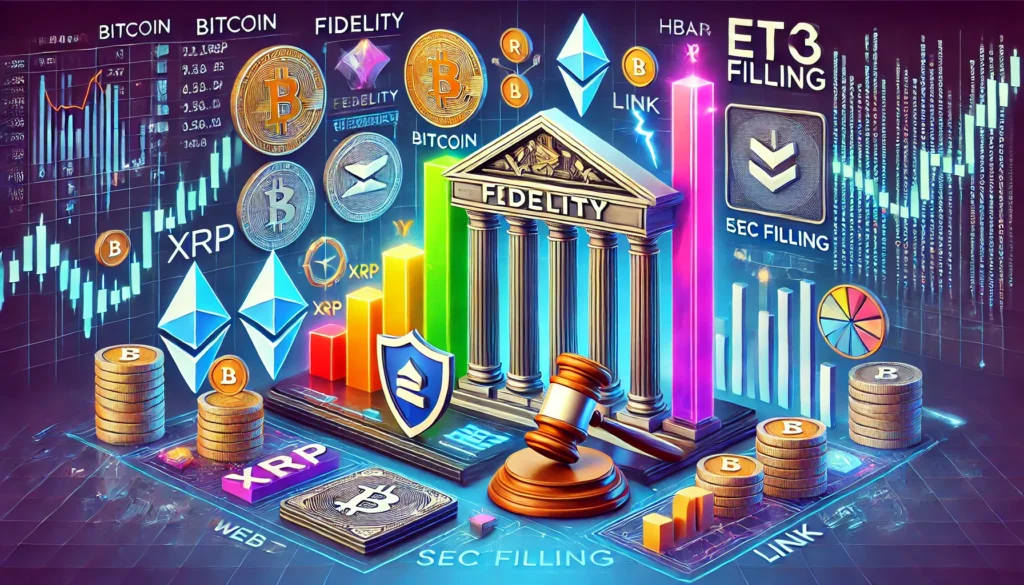
The cryptocurrency world is buzzing with institutional moves, altcoin surges, security challenges, and regulatory shifts. 1. Fidelity’s FBTC Sees Significant Net Inflow of $25.1 Million Fidelity Digital Assets’ Bitcoin Trust (FBTC) recorded a major inflow of $25.1 million, underscoring the increasing institutional interest in regulated Bitcoin investment products. This inflow, largely transferred from Binance, highlights a growing trend where institutional clients prioritize compliance and secure custodianship. Fidelity has positioned itself as a trusted partner for institutional investors, building confidence in Bitcoin as a legitimate asset for long-term allocation. Such trends signify Bitcoin’s transformation into a more mainstream financial asset. Market Impact: The shift of funds from exchanges like Binance to institutional-grade platforms like Fidelity signals a strong move toward regulatory alignment and security. This trend could tighten Bitcoin’s liquidity on exchanges, potentially stabilizing its price while attracting more institutional players, a bullish signal for the long-term market trajectory. 2. Trump’s Crypto Project Raises Concerns Over Fund Allocation The cryptocurrency project linked to Donald Trump has sparked scrutiny over unclear fund allocation. The project’s high-profile nature amplifies the criticism, as investors and regulators demand transparency. With significant funds unaccounted for, questions about the project’s governance and objectives persist. This comes at a time when regulatory agencies are closely monitoring crypto projects for compliance and ethical practices. Market Impact: This controversy could deter investors from celebrity-endorsed or high-profile crypto projects, potentially slowing adoption in such areas. It also highlights the increasing role of governance and transparency as key factors for gaining investor trust in the evolving crypto landscape. 3. Whale Purchases $6.68 Million Worth of Chainlink (LINK) A cryptocurrency whale recently purchased $6.68 million worth of Chainlink (LINK), a vote of confidence in the project’s potential. This significant acquisition comes as Chainlink continues to expand its oracle services, crucial for blockchain interoperability and DeFi. Whale activity often signals underlying value and strengthens community sentiment, reflecting positive investor outlook. Market Impact: The transaction suggests growing confidence in altcoins with strong utility like Chainlink, which could encourage similar investments from both whales and retail traders. This attention may boost LINK’s price momentum and encourage further development in blockchain infrastructure. 4. Web3 Phishing Attacks Cause Significant Losses in November Phishing attacks targeting Web3 users led to millions in losses during November, exploiting weaknesses in wallets, DeFi protocols, and NFT platforms. Sophisticated scams lured users into compromising private keys and connecting to malicious smart contracts. These events expose the urgent need for improved security measures across platforms and user education. Market Impact: The losses are likely to erode trust in Web3 applications, especially among new users, potentially slowing adoption. However, they also highlight opportunities for innovation in security solutions, including better wallet designs and fraud detection tools, which could eventually strengthen the ecosystem. 5. Cryptocurrency Prices Today: BTC Steady, XRP Jumps 18%, HBAR Rises 58%, Ondo Climbs 36% Bitcoin remained stable on December 3, while XRP surged 18%, HBAR soared 58%, and Ondo climbed 36%. These movements stem from individual catalysts: XRP’s legal momentum, HBAR’s partnerships, and Ondo’s DeFi expansion. This divergence illustrates the diverse factors driving altcoin performance. Market Impact: The standout performances of these altcoins reflect growing investor diversification beyond Bitcoin. Such price movements also showcase the importance of utility, partnerships, and regulatory clarity in driving individual token success, possibly fueling more altcoin-focused investment strategies. 6. Coinbase CEO Brian Armstrong Sends Strong Message to Anti-Crypto Law Firms Brian Armstrong criticized anti-crypto law firms for stifling innovation, urging them to embrace blockchain’s transformative potential. He framed the resistance to cryptocurrency as a short-sighted move that undermines financial inclusivity and innovation. Armstrong’s stance reinforces Coinbase’s leadership in crypto advocacy and its pushback against overregulation. Market Impact: Armstrong’s statements could influence policy discussions by rallying industry support against excessive regulation. Coinbase’s proactive stance signals its intent to shape the regulatory narrative, potentially creating a more favorable environment for innovation and investment in the crypto space. 7. “Don’t Sell MicroStrategy Your Bitcoin,” Warns Industry Analyst An industry analyst has cautioned Bitcoin holders against selling to MicroStrategy, warning that its aggressive accumulation could lead to centralization. While the company’s acquisitions demonstrate strong institutional confidence in Bitcoin, critics argue that concentrated ownership risks undermining the cryptocurrency’s decentralized ethos. Market Impact: This debate raises awareness about the balance between institutional adoption and decentralization. While MicroStrategy’s actions may stabilize Bitcoin’s value, they also highlight the need for a more diverse ownership base to preserve the network’s principles. 8. Silk Road Bitcoin Worth Nearly $2 Billion Moved to Coinbase Prime U.S. authorities transferred nearly $2 billion worth of Bitcoin from the Silk Road case to Coinbase Prime, signaling a potential liquidation. This large-scale move has captured market attention, as such sales can significantly impact Bitcoin’s price. The transfer reflects the growing role of institutional platforms in handling government-held assets. Market Impact: While the sale may introduce short-term selling pressure, it also reinforces the institutionalization of Bitcoin markets. The involvement of platforms like Coinbase Prime signals increasing regulatory acknowledgment and infrastructure maturity for large-scale transactions. 9. XRP ETF Competition Intensifies as WisdomTree Submits S-1 Application to SEC WisdomTree’s filing for an XRP ETF with the SEC adds to the competition for crypto-based ETFs. If approved, this product could provide institutional investors with regulated exposure to XRP, expanding its adoption. The application comes as Ripple’s legal clarity strengthens its position in the market. Market Impact: An approved XRP ETF would mark a pivotal step for institutional acceptance of altcoins, potentially driving significant inflows. It also underscores the market’s pivot toward regulated investment vehicles, a trend likely to shape the next phase of crypto adoption. Key Takeaways Institutional Interest Soars: Fidelity’s Bitcoin inflows and WisdomTree’s XRP ETF filing highlight increasing institutional confidence in regulated crypto products. Altcoins on the Rise: Strong performances by XRP, HBAR, and LINK underscore growing diversification and focus on utility-driven projects. Security Remains a Weak Spot: Web3 phishing attacks reveal the need for improved security and user education to sustain adoption. Regulation Shapes the Narrative: Coinbase’s advocacy and Trump’s project