
The cryptocurrency market is buzzing with major developments that are shaping the industry’s future. From the SEC’s crackdown on Donald Trump-themed memecoins to the TON Foundation’s integration with Telegram, we’re witnessing innovation colliding with regulation. Meanwhile, Bank of America is optimistic about the U.S. banking industry adopting crypto payments, while Elon Musk’s Dogecoin-related lawsuit is sparking debates on celebrity influence in crypto markets. Adding to the complexity, global macroeconomic moves, like the Bank of Japan’s potential interest rate hike, and political shifts such as Trump’s proposed deregulation of AI, are sending ripples across the blockchain landscape. Each of these stories highlights the growing intersection between technology, politics, and finance, making 2025 a pivotal year for crypto investors and innovators alike.
1. Trump Memecoins Face SEC Regulatory Challenges
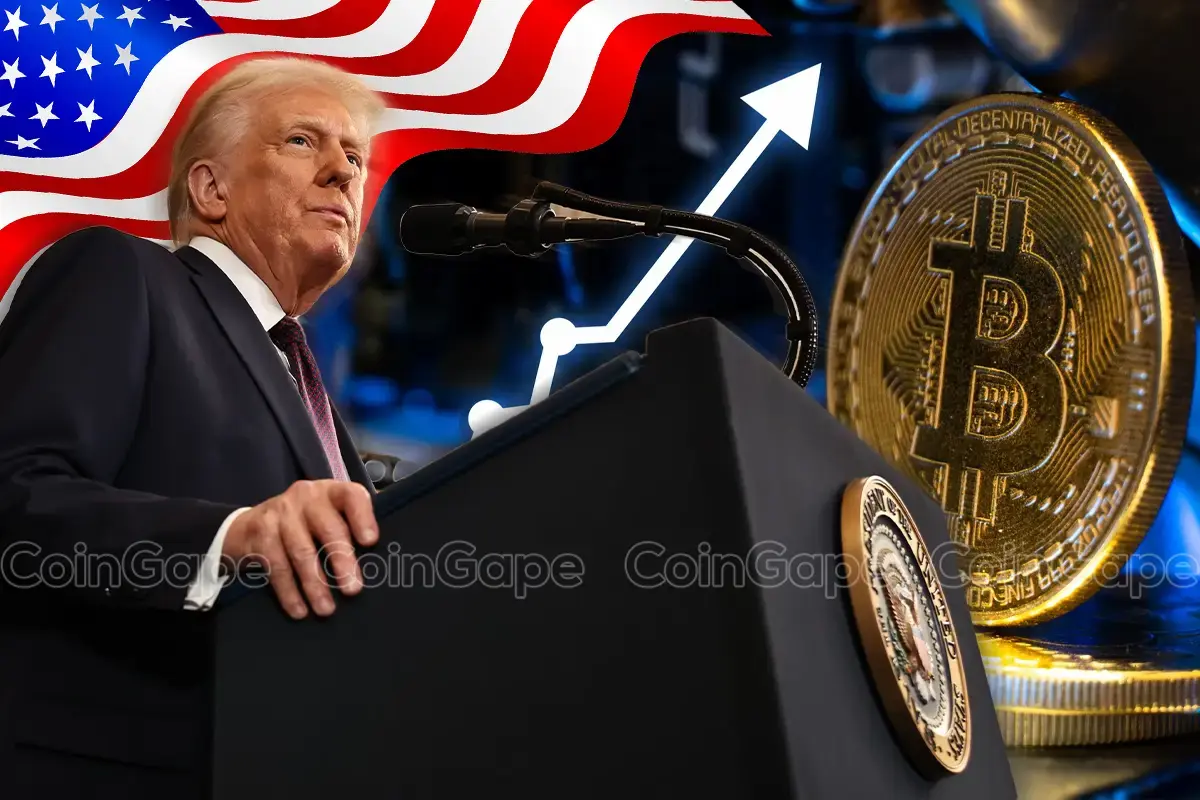
The rise of Donald Trump-themed memecoins, such as $TRUMP, has caught the attention of the U.S. Securities and Exchange Commission (SEC). These tokens, which gained popularity by leveraging Trump’s public persona and political influence, are now under scrutiny for potentially operating as unregistered securities. The SEC has been intensifying its focus on memecoins and other speculative tokens, citing their lack of clear use cases and potential for harm to retail investors.
From a market perspective, this development could set a precedent for how regulators handle personality-based or event-themed tokens. Many memecoins rely on hype cycles rather than utility, making them inherently volatile and risky investments. If the SEC takes strong action against $TRUMP, other tokens operating in this gray area may face similar challenges. This could lead to decreased investor interest in speculative assets, potentially shrinking the memecoin sector.
For the broader crypto market, this highlights the importance of regulatory clarity. While some argue that memecoins are “just for fun,” their financial impact on retail investors can be significant. If regulatory crackdowns become the norm, investors may gravitate toward assets with clearer compliance and utility, such as DeFi protocols or blockchain infrastructure projects. However, memecoin enthusiasts might continue to flock to these tokens as a form of digital expression, keeping the sector alive despite regulatory hurdles.
2. TON Foundation Expands Network With Telegram Mini-Apps
The Open Network (TON) Foundation has made a significant leap in its ecosystem expansion by introducing mini-apps within Telegram. These apps, built on the TON blockchain, enable users to engage in cryptocurrency-related activities such as wallet transfers and decentralized finance (DeFi) services directly within Telegram’s interface. By leveraging Telegram’s global user base, TON aims to bring crypto services to millions without the need for standalone wallets or external platforms.
This integration is a game-changer for crypto adoption. By removing traditional barriers like complex wallet setups, the TON Foundation is making blockchain technology more accessible. For new users, the simplicity of using crypto within a familiar messaging app could significantly lower the learning curve. This strategy might set a new trend for integrating blockchain into communication apps, further blurring the lines between mainstream tech platforms and decentralized networks.
From a market standpoint, this development could make TON one of the most user-friendly blockchain ecosystems. By offering seamless integration into daily communication, TON has a unique value proposition compared to other networks. However, it also faces competition from similar projects that might follow this model. If successful, TON’s move could encourage other messaging platforms to adopt similar strategies, potentially sparking a wave of new users into crypto ecosystems.

3. US Banking Industry May Embrace Crypto Payments, Says Bank of America
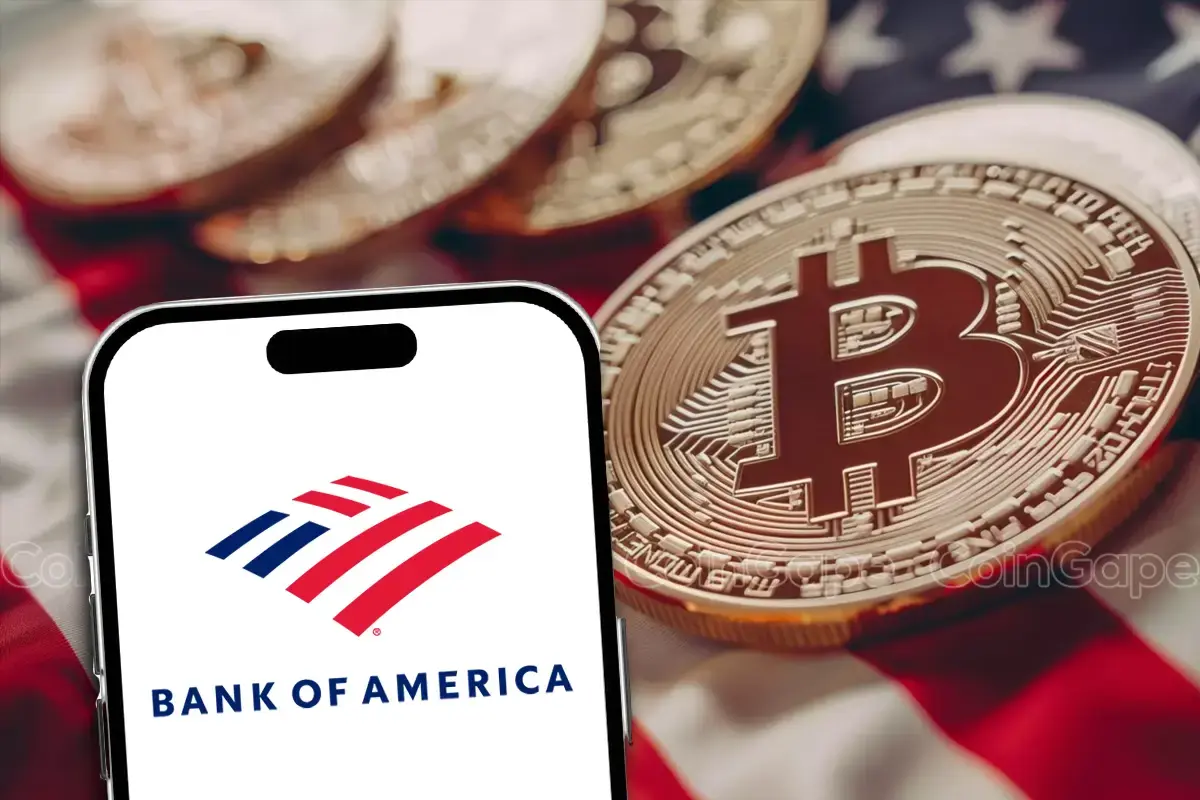
Bank of America (BofA) recently expressed optimism about the U.S. banking sector integrating cryptocurrency payments into its services. According to analysts, crypto-based payment systems offer significant advantages, such as reduced costs, faster settlement times, and improved efficiency in cross-border transfers. While adoption might take years, the banking industry’s acknowledgment of crypto’s utility marks a significant step toward mainstream integration.
The implications of this trend could be profound. If traditional banks adopt blockchain payment rails, it would lend immense credibility to the crypto industry. Institutional players often drive market confidence, and their involvement could encourage more retail investors to explore digital assets. Furthermore, this would create opportunities for blockchain projects that specialize in payment systems, potentially leading to a surge in demand for infrastructure tokens like XRP or Stellar (XLM).
However, challenges remain. Banks must navigate regulatory hurdles and educate their customers on how these systems work. Furthermore, concerns about security and scalability need to be addressed for large-scale implementation. Still, Bank of America’s analysis suggests that the long-term trajectory for crypto adoption in finance is positive, signaling bullish sentiment for the industry’s future.
4. Trump Eliminates Biden’s AI Regulations, Potential Benefit for AI Coins
Former President Donald Trump has promised to remove artificial intelligence (AI) regulations implemented during Joe Biden’s administration if he wins reelection. While the focus is on reducing barriers for innovation in AI, this policy shift could also benefit blockchain projects that integrate AI into their ecosystems. Tokens like “Mind of Pepe,” which emphasize AI-based capabilities, might gain traction in a deregulated environment.
For blockchain developers working on AI integration, deregulation could mean easier access to funding, reduced compliance costs, and a more welcoming innovation landscape. Investors looking for the next big trend might flock to AI-integrated crypto projects, creating upward momentum for coins in this niche. However, this scenario also comes with risks. Critics argue that a lack of oversight could result in ethical concerns or even misuse of AI, potentially impacting public perception of such projects.
On a broader scale, the intersection of blockchain and AI is a growing frontier, and political decisions like this could significantly influence its trajectory. Whether this policy materializes or not, the discussion alone brings attention to AI-crypto projects, positioning them as a potential area of growth in the blockchain space.

5. Trump Meme Coin Crash: Will Official $TRUMP Price Drop to $10?
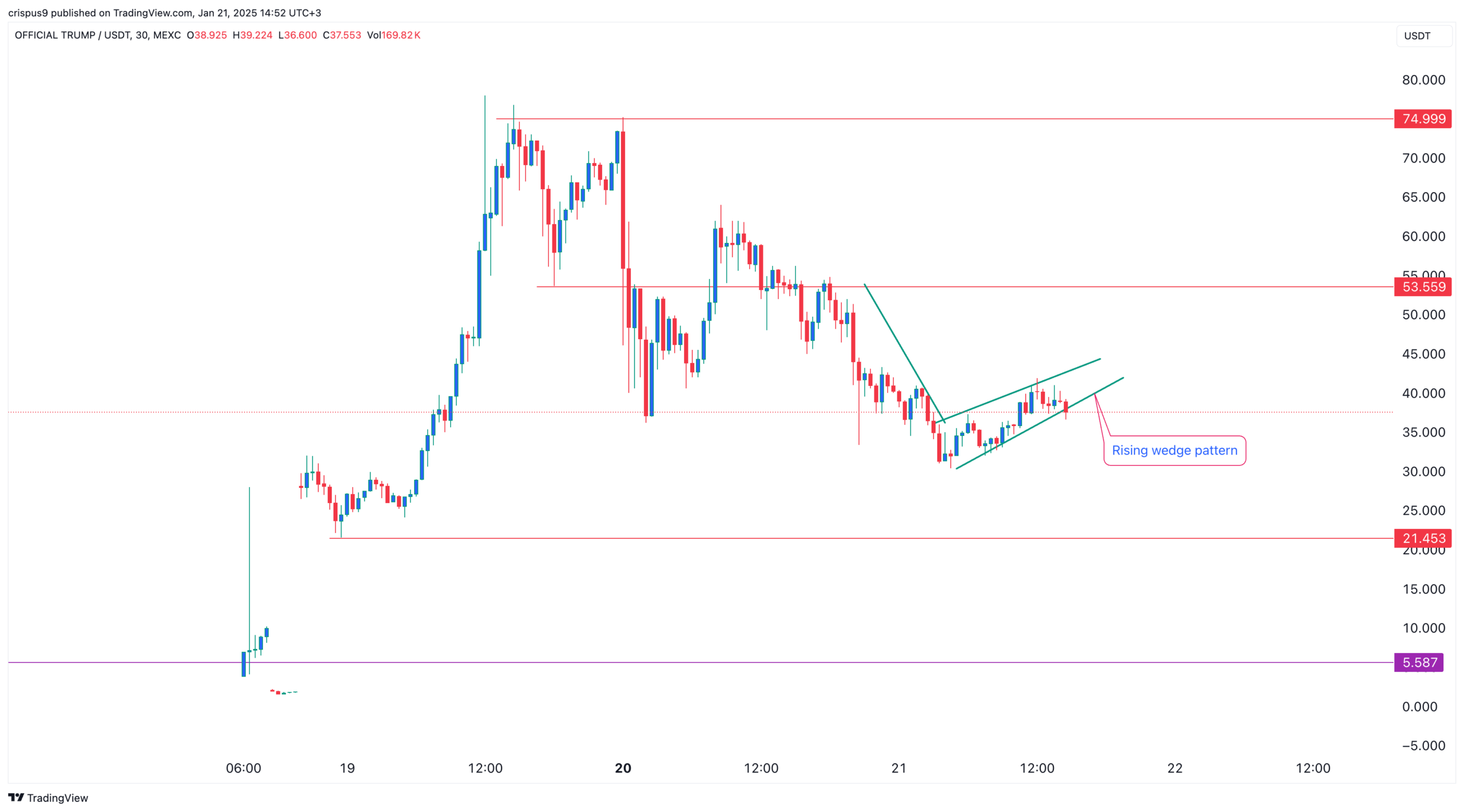
$TRUMP, a Donald Trump-themed memecoin, has seen its value plummet by over 70% from its all-time high. The coin, which initially rallied due to speculative hype and Trump’s political influence, is now facing dwindling investor interest. Market analysts predict that $TRUMP could fall further, potentially reaching $10 or lower if current trends persist.
This crash serves as a stark reminder of the risks associated with memecoin investments. Unlike tokens with clear utility, memecoins often rely solely on hype cycles, making them vulnerable to sharp corrections once interest fades. The regulatory scrutiny surrounding $TRUMP only compounds its challenges, as the SEC’s attention may dissuade potential buyers from entering the market.
For the crypto space, this reinforces the need for projects to offer tangible value to maintain investor confidence. While memecoins have their place as speculative assets or forms of digital expression, their long-term viability remains questionable without meaningful utility. Investors may increasingly focus on tokens with solid fundamentals as the memecoin craze loses steam.
6. Coinbase CEO Remains Bullish on Crypto Future Under Trump Administration
Coinbase CEO Brian Armstrong has expressed optimism about the potential for crypto growth under a Trump administration. Armstrong believes that Trump’s deregulatory stance and pro-business policies could create a more favorable environment for blockchain innovation. However, he also noted uncertainties around how the administration might approach specific issues like digital asset classification and consumer protection.
This sentiment reflects growing hope within the crypto industry for regulatory clarity. A less restrictive environment could encourage more startups and institutions to enter the market, fueling innovation and adoption. If Trump’s policies align with this vision, the U.S. could solidify its position as a global leader in blockchain technology.
However, there are risks associated with excessive deregulation. While it may spur innovation, it could also lead to gaps in consumer protection and potentially undermine trust in the system. Nevertheless, Armstrong’s comments underscore the importance of aligning policy with industry needs to create a balanced and thriving crypto ecosystem.
7. Bank of Japan Considers Interest Rate Hike in Upcoming Meeting
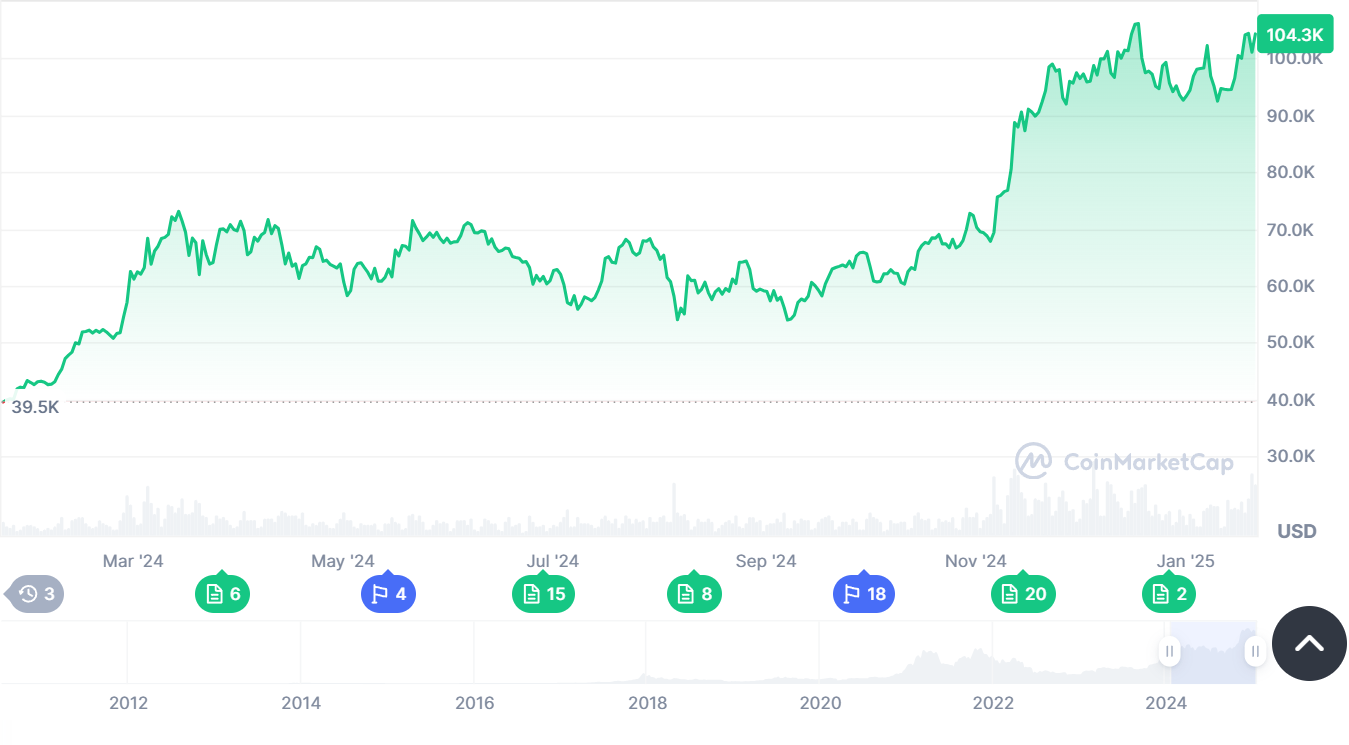
The Bank of Japan (BoJ) is reportedly considering an interest rate hike in its next policy meeting. This potential move marks a departure from Japan’s traditionally dovish monetary policy and could have ripple effects across global financial markets, including the cryptocurrency space. An interest rate hike would likely strengthen the yen, which could attract investors away from riskier assets like crypto.
For cryptocurrencies, the BoJ’s decision could create short-term selling pressure, as higher interest rates often make traditional investments like bonds more appealing. However, this development also underscores the importance of crypto as a hedge against traditional monetary systems. As central banks around the world adjust their policies, digital assets might become more attractive to those seeking alternatives.
In the long term, the global shift in monetary policy could push crypto adoption higher, especially if inflationary concerns resurface. While the BoJ’s decision might not directly target crypto, it serves as a reminder of how interconnected macroeconomic trends are with the digital asset market.

Key Takeaways :
- SEC’s Scrutiny of Trump Memecoins:
The SEC’s increased focus on speculative tokens like $TRUMP highlights the growing regulatory crackdown on memecoins. Tokens tied to public figures or events face heightened scrutiny due to their reliance on hype rather than utility, signaling a warning for retail investors to approach such coins cautiously. The outcome of this investigation may set legal precedents for future memecoins. - TON’s Integration with Telegram:
The TON Foundation’s partnership with Telegram could redefine crypto adoption by embedding blockchain tools within a widely used messaging platform. By making wallet transfers and DeFi apps accessible within Telegram, this move lowers barriers to entry, making blockchain technology more user-friendly and attractive to millions worldwide. - Bank of America on Crypto Payments:
Bank of America’s prediction that U.S. banks will adopt crypto payments demonstrates a gradual shift toward institutional acceptance of blockchain technology. If realized, this could boost institutional adoption and validate crypto’s potential as an efficient payment solution, while also increasing competition among payment tokens like XRP. - Trump’s AI Deregulation & Crypto Implications:
Donald Trump’s promise to deregulate AI policies could stimulate innovation in AI-crypto projects, benefiting tokens like “Mind of Pepe” that merge blockchain with artificial intelligence. However, this deregulation may also lead to ethical concerns, raising questions about balancing innovation with responsible oversight. - $TRUMP Memecoin Crash:
The sharp decline in $TRUMP memecoin’s value illustrates the inherent volatility of memecoins and the risks of speculative investments. This serves as a reminder for investors to prioritize tokens with tangible use cases over those relying solely on hype cycles and fandom. - Coinbase CEO’s Optimism Under Trump Administration:
Coinbase CEO Brian Armstrong’s bullish stance on crypto under a Trump presidency highlights the potential for deregulation to spur blockchain innovation. However, there’s uncertainty around the administration’s future regulatory stance, emphasizing the need for clear policies to sustain growth. - Bank of Japan’s Interest Rate Hike:
The Bank of Japan’s potential interest rate hike signals a shift in global monetary policy that could create short-term selling pressure on crypto. However, it also reinforces the long-term role of cryptocurrencies as a hedge against traditional financial systems, making them attractive to investors seeking alternatives.