


Bitcoin tops $100K, BRICS explore crypto, Mt. Gox stirs concerns, and Powell likens BTC to gold.
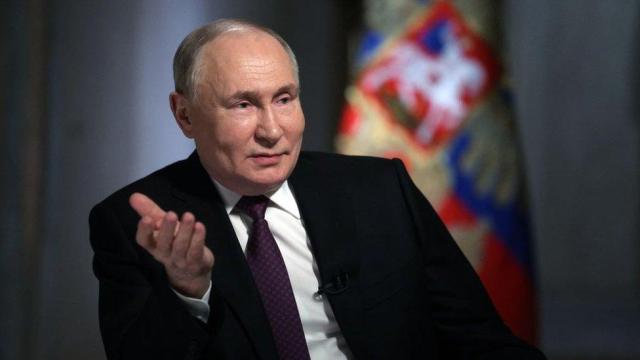
1. Putin Considers Cryptocurrency for BRICS Investment Platform
The BRICS nations are exploring the use of digital currencies to reduce their reliance on the U.S. dollar, reflecting a significant shift in global economic strategies. Spearheaded by Russia’s President Vladimir Putin, this initiative aligns with the bloc’s larger goal of economic independence and a multipolar world order. The plan includes developing a blockchain-based payment system, BRICS Pay, to facilitate cross-border transactions, showcasing the alliance’s commitment to technological innovation in finance.
The move marks a growing trend among emerging economies to challenge Western-dominated financial systems. By embracing cryptocurrencies and blockchain technology, BRICS countries not only aim to diversify their reserves but also create more inclusive financial systems. If successful, this initiative could serve as a blueprint for other regions seeking to enhance economic sovereignty through digital assets.
Impact: The potential adoption of cryptocurrencies by BRICS nations could spur global acceptance and legitimacy of digital currencies. It may also intensify geopolitical shifts, reducing the dollar’s dominance and encouraging similar moves by other global alliances.
2. Mt. Gox Moves 24K BTC as Bitcoin Tops $100K
The historic rise of Bitcoin past the $100,000 mark has been accompanied by a massive transfer of 24,000 BTC from the defunct Mt. Gox exchange. While this transfer is linked to the ongoing repayment process for creditors, the sheer volume of Bitcoin involved has raised concerns about market stability. Some investors fear a potential sell-off, as this amount holds the power to influence short-term price dynamics.
The move has highlighted the complexities of market timing and the lingering impact of historical events, like Mt. Gox’s collapse in 2014. It also underlines the importance of transparency in the crypto ecosystem, as large transactions can cause speculation and volatility.
Impact: Despite short-term concerns, Bitcoin’s surge beyond $100K showcases strong market demand and growing adoption. However, the Mt. Gox transfer serves as a reminder of the market’s sensitivity to whale activity and the need for cautious trading strategies.
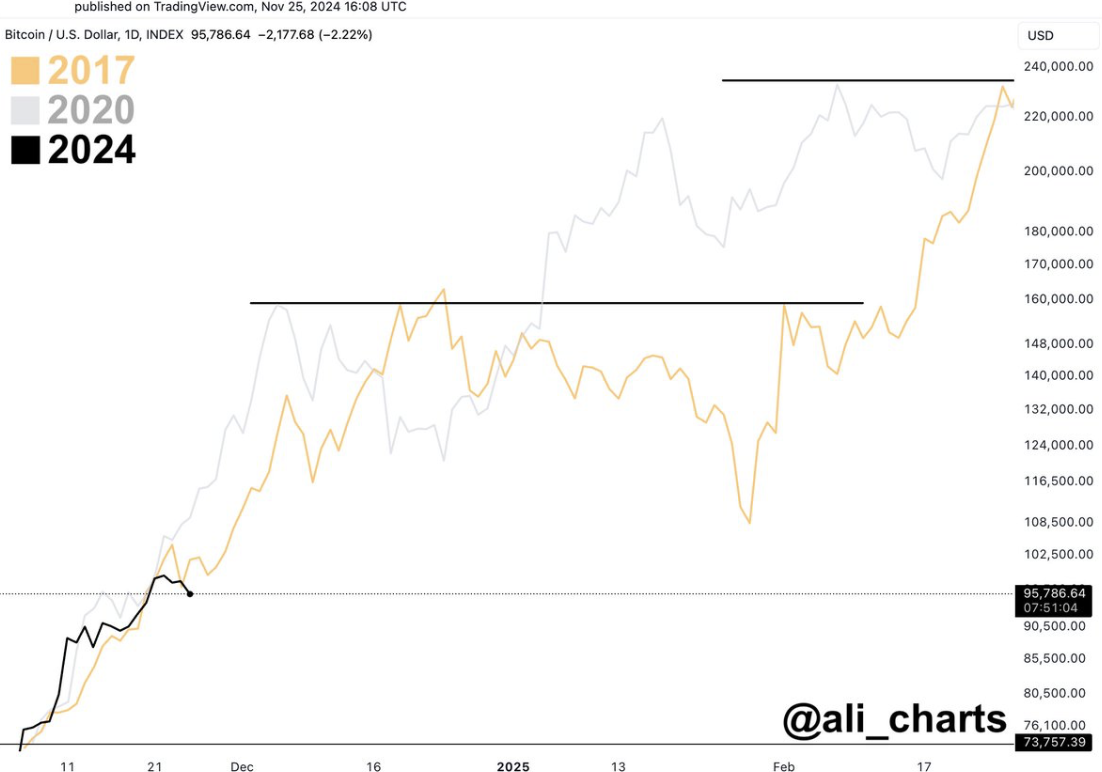
3. Bitcoin Officially Hits $100,000 for the First Time
Bitcoin’s climb past $100,000 is a historic moment, driven by increasing institutional adoption and regulatory clarity. The psychological significance of this milestone cannot be understated, as it represents the culmination of years of growth, innovation, and mainstream acceptance. Analysts predict continued volatility but believe the long-term trajectory remains bullish.
As Bitcoin’s value solidifies at six figures, its role as a dominant financial asset becomes clearer. This surge is seen as a testament to its resilience against economic uncertainty and its growing appeal as an alternative to traditional assets like gold.
Impact: Crossing the $100K barrier positions Bitcoin as a serious contender in global finance, potentially attracting new investors and fostering greater institutional participation. This milestone also sets the stage for altcoins to gain momentum as investor confidence in the crypto market grows.

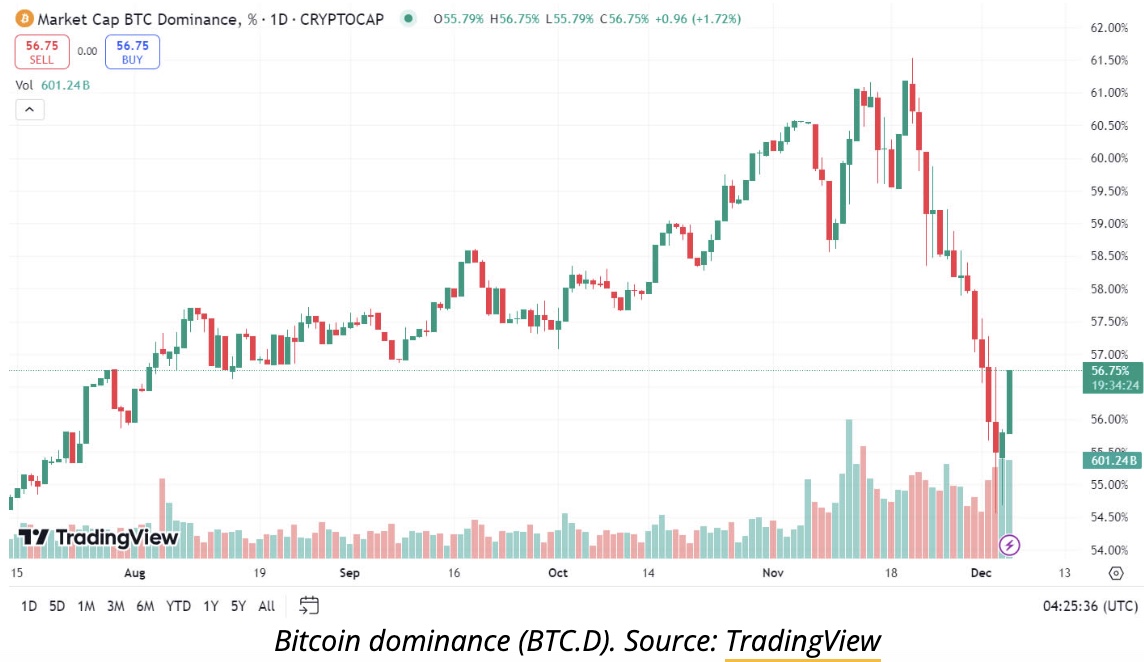
4. Bitcoin Dominance Rises to 57% as BTC Reaches $104K
Bitcoin’s dominance has climbed to 57%, signaling its renewed strength in the market as its price surges to $104,000. This rise has temporarily paused the anticipated “altseason,” with investors focusing heavily on BTC. The Bitcoin Fear & Greed Index reaching “extreme greed” levels reflects growing market enthusiasm.
The increased dominance underscores Bitcoin’s role as the preferred choice for both retail and institutional investors during market rallies. However, it also highlights the cyclical nature of the market, with altcoins likely to regain momentum once Bitcoin stabilizes.
Impact: Bitcoin’s growing dominance could delay altcoin breakouts in the short term, but it also reinforces BTC’s position as the market leader. This trend may encourage traditional financial institutions to further integrate Bitcoin into their portfolios.
5. Putin Advocates Bitcoin as a Replacement for Dollar Reserves
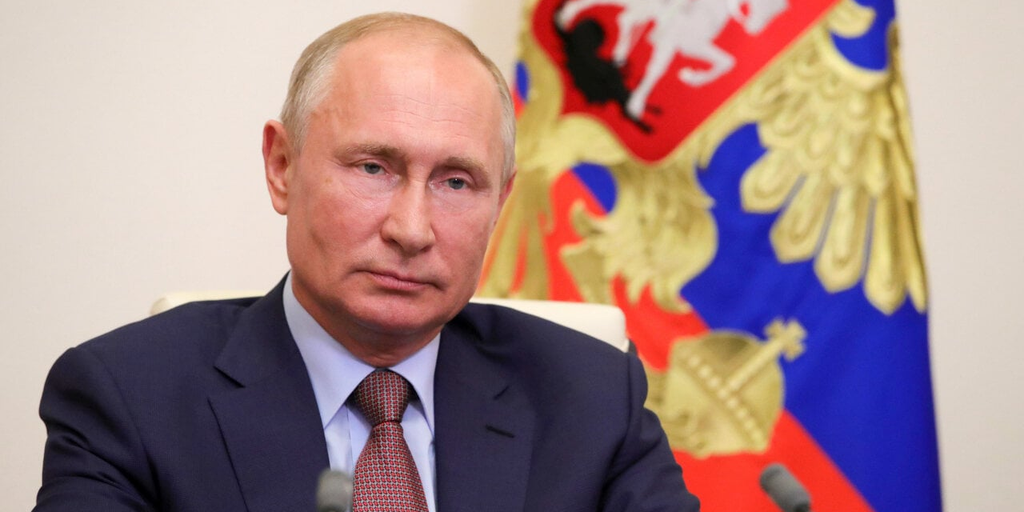
Russian President Vladimir Putin has called for reducing dependency on the U.S. dollar in favor of Bitcoin and other assets. This perspective reflects a broader strategy of dedollarization, emphasizing the need for financial sovereignty amidst geopolitical tensions. Putin’s statements align with Russia’s efforts to adopt digital assets as an alternative to traditional reserve currencies.
This endorsement of Bitcoin marks a notable shift in its perception from speculative asset to a potential global reserve contender. By promoting Bitcoin, Putin also underscores the increasing viability of decentralized technologies in reshaping the global financial landscape.
Impact: If Russia seriously adopts Bitcoin for reserve purposes, it could inspire other nations to consider similar measures, accelerating Bitcoin’s path toward mainstream acceptance. Such moves might also challenge the U.S. dollar’s hegemony on the global stage.
6. Fed Chair Powell Likens Bitcoin to Gold, Not a Dollar Rival
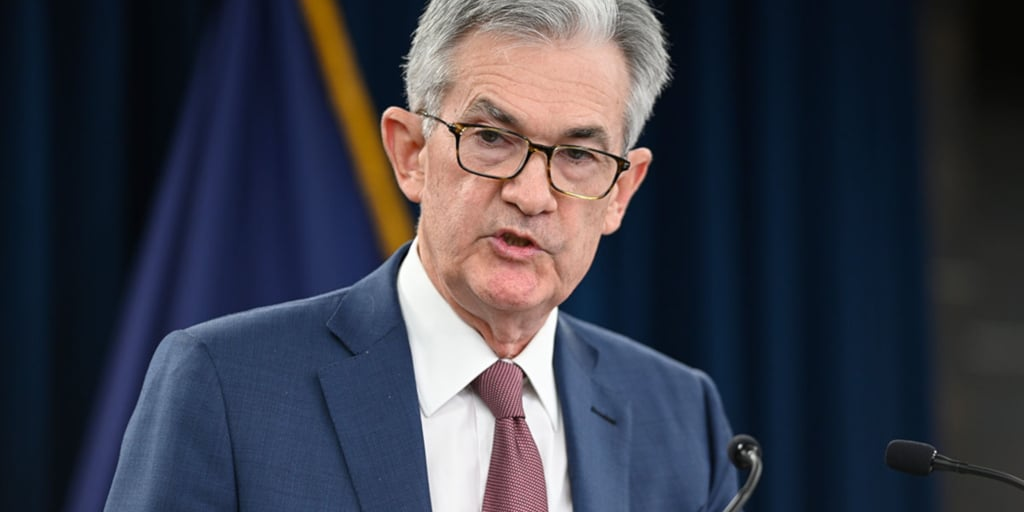
Federal Reserve Chair Jerome Powell compared Bitcoin to gold, emphasizing its speculative nature rather than its practicality as a currency. According to Powell, Bitcoin serves as a digital alternative to gold, attracting investors seeking a hedge against traditional financial systems rather than directly competing with the dollar.
This statement aligns with the narrative of Bitcoin as “digital gold,” reinforcing its role as an asset class rather than a transactional currency. Powell’s remarks may shape perceptions of Bitcoin among policymakers and institutional investors, framing it as complementary rather than disruptive to existing financial systems.
Impact: By likening Bitcoin to gold, Powell indirectly acknowledges its legitimacy as a financial asset, which could bolster confidence among hesitant investors. This perspective might also influence regulatory approaches, potentially supporting Bitcoin’s continued integration into traditional finance.
Key Takeaways
- BRICS Push for Cryptocurrency Adoption
- BRICS nations are actively exploring cryptocurrency and blockchain technologies to reduce reliance on the U.S. dollar and strengthen economic independence.
- This shift could inspire other global alliances to adopt similar strategies, further legitimizing digital assets in international finance.
- Bitcoin Surges Past $100,000 Amid Strong Demand
- Bitcoin’s historic rise above $100,000 highlights increasing institutional interest and regulatory clarity.
- This milestone cements Bitcoin’s role as a leading financial asset, driving greater public and institutional confidence.
- Mt. Gox Bitcoin Transfer Sparks Market Concerns
- The movement of 24,000 BTC from Mt. Gox raises questions about market stability and highlights the impact of large transactions.
- While it underscores the importance of transparency, Bitcoin’s continued bullish trajectory reflects the market’s resilience.
- Bitcoin Dominance Rises, Altseason Delayed
- Bitcoin’s dominance climbing to 57% signals a temporary pause in altcoin activity as investors focus on BTC’s rally.
- Despite this, historical trends suggest altcoins may regain momentum once Bitcoin stabilizes.
- Putin Advocates Bitcoin as an Alternative to Dollar Reserves
- President Vladimir Putin’s endorsement of Bitcoin as a reserve asset showcases a growing interest in decentralized alternatives to the U.S. dollar.
- This aligns with broader dedollarization efforts, potentially influencing other nations to explore digital assets for economic sovereignty.
- Fed Chair Likens Bitcoin to Gold
- Jerome Powell’s comparison of Bitcoin to gold reinforces its role as a speculative investment and store of value.
- This framing could shape future regulatory approaches, supporting Bitcoin’s integration into traditional financial systems.