


From Binance CEO’s vision of crypto aiding AI to the U.S. pushing Bitcoin adoption at the G20 level, these news pieces reveal how blockchain and digital assets are becoming integral to the future of finance. Key milestones include BlackRock refining its Bitcoin ETF strategy, Circle’s USDC narrowing its gap with Tether, and institutional interest driving the XDC Network’s growth. With Wall Street showing excitement about Trump’s crypto proposals and the integration of Bitcoin into central bank reserves being debated, 2025 is poised to reshape the global economy through blockchain technology.
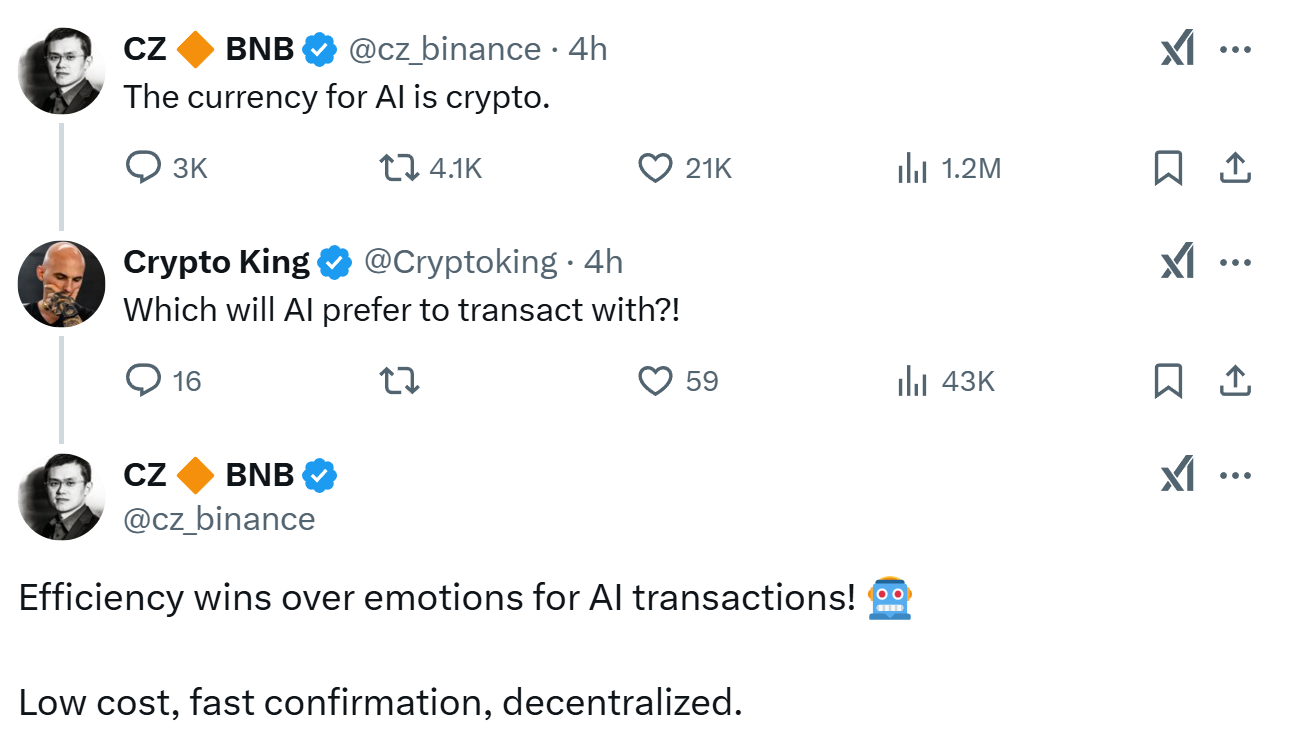
1. Binance CEO Changpeng Zhao: Crypto Can Propel AI Development
Changpeng Zhao (CZ), Binance’s founder, emphasized how blockchain technology can complement artificial intelligence (AI). CZ outlined three major benefits: blockchain’s transparent data storage for training AI models, decentralized systems fostering secure AI sharing, and tokenization enabling financial incentives for AI-driven innovation. He highlighted that crypto’s inherent qualities—like immutability, security, and automation through smart contracts—could address AI’s need for trust and efficiency.
The analysis points to a growing intersection between two disruptive technologies: blockchain and AI. AI requires vast, trustworthy datasets, and blockchain offers an ideal infrastructure. For example, decentralized data storage on blockchain networks could allow secure sharing of AI training data without risks of tampering. Additionally, tokenized systems could incentivize collaboration among developers or researchers working on AI breakthroughs. Binance’s positioning here highlights its intent to remain pivotal in shaping this convergence, particularly as AI and blockchain adoption grow in tandem.
Market Impact: The alignment of blockchain with AI positions cryptocurrencies as critical tools for industries looking to deploy scalable AI solutions. This could bolster investor interest in blockchain projects tied to AI applications. Binance, as a leader in the crypto space, benefits from such statements, as it strengthens its narrative as an innovator and market driver. If realized, the fusion of AI and crypto could create fresh demand for tokens, spurring adoption across sectors like finance, healthcare, and logistics.
2. XDC Network Sees Surge in Institutional Masternode Partners
The XDC Network is rapidly expanding its institutional presence, with a significant increase in the number of institutional masternode partners. The network’s enterprise-grade blockchain infrastructure, which emphasizes low transaction costs and high-speed processing, has made it attractive for institutional players seeking cost-effective, scalable solutions. XDC Network’s focus on regulatory compliance and its hybrid blockchain model further enhance its appeal to traditional finance players.
This growth indicates a notable shift as financial institutions increasingly explore blockchain-based systems. Institutional adoption of masternodes strengthens the XDC Network’s reliability, as masternodes are pivotal in securing and maintaining the blockchain’s decentralized operations. Additionally, its compliance-first approach resonates well with the broader financial industry’s regulatory requirements, positioning it as a trusted partner for real-world blockchain applications.
Market Impact: The growing involvement of institutions in XDC Network’s masternodes could increase demand for its native token, XDC. This trend also highlights the maturation of the blockchain ecosystem, as institutions seek active roles within networks rather than remaining passive investors. With institutional credibility increasing, retail investors might follow suit, further driving token adoption and possibly improving its price trajectory.

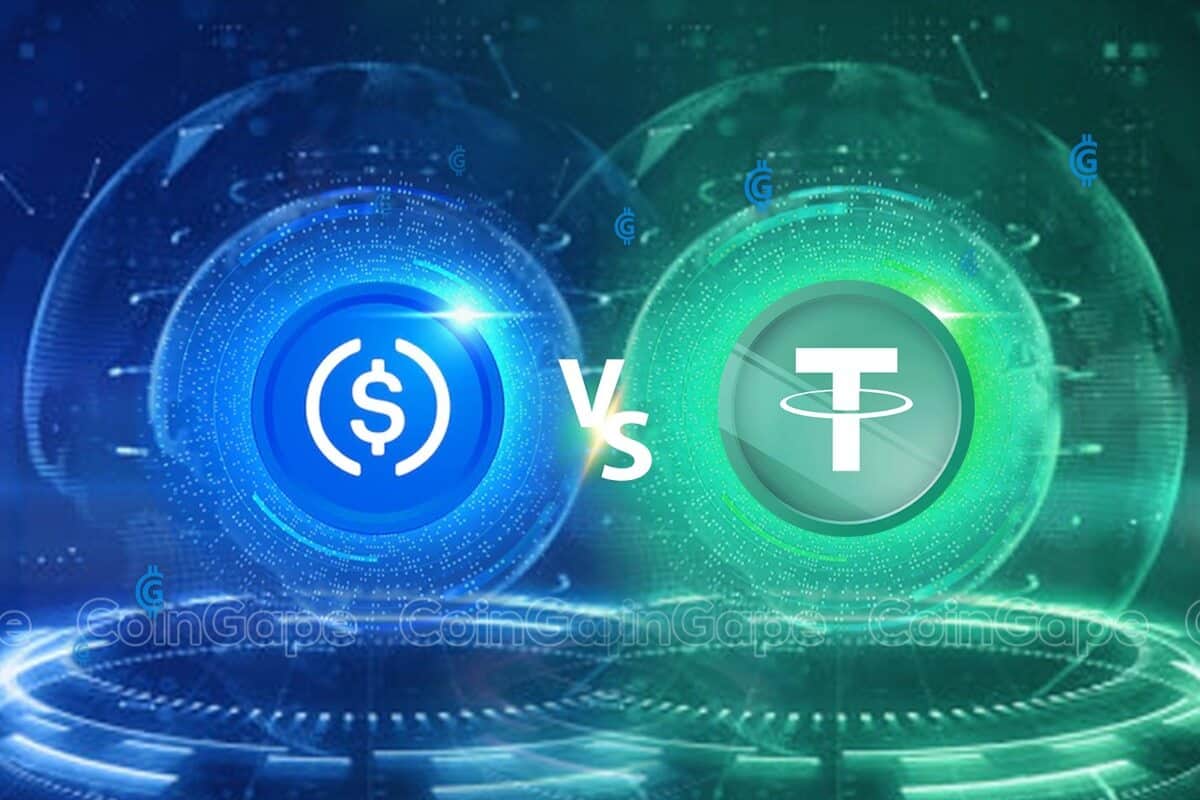
3. Circle’s USDC Closes the Gap with Tether Amid $8 Billion Mint Surge
Circle’s USDC stablecoin minted an astonishing $8 billion in 2025, narrowing the gap with Tether’s USDT. The renewed demand for USDC comes as Circle strengthens its integrations with payment systems and financial institutions globally. USDC’s transparent reserve backing and regulatory compliance continue to attract users wary of Tether’s opaque practices. This surge in mints reflects Circle’s growing influence, especially as stablecoins gain traction in mainstream finance.
The move solidifies USDC’s reputation as a reliable stablecoin for institutional and retail use. Circle’s partnership-driven approach and transparency-focused operations are key differentiators in a market where trust plays a critical role. Regulatory developments in the U.S. favoring transparent and well-audited stablecoins have also boosted Circle’s standing, likely making it the preferred choice for enterprises transitioning to blockchain-based payments.
Market Impact: The rise of USDC suggests that competition among stablecoins will intensify in 2025. Circle’s regulatory-first strategy could attract long-term investors, further solidifying its position. The broader adoption of USDC might also drive stablecoin-based innovations in decentralized finance (DeFi), creating ripple effects across the crypto ecosystem. Tether, while still dominant, may face increasing scrutiny and competition as users gravitate toward transparent alternatives.
4. Trump’s Crypto Plans Excite Wall Street CEOs
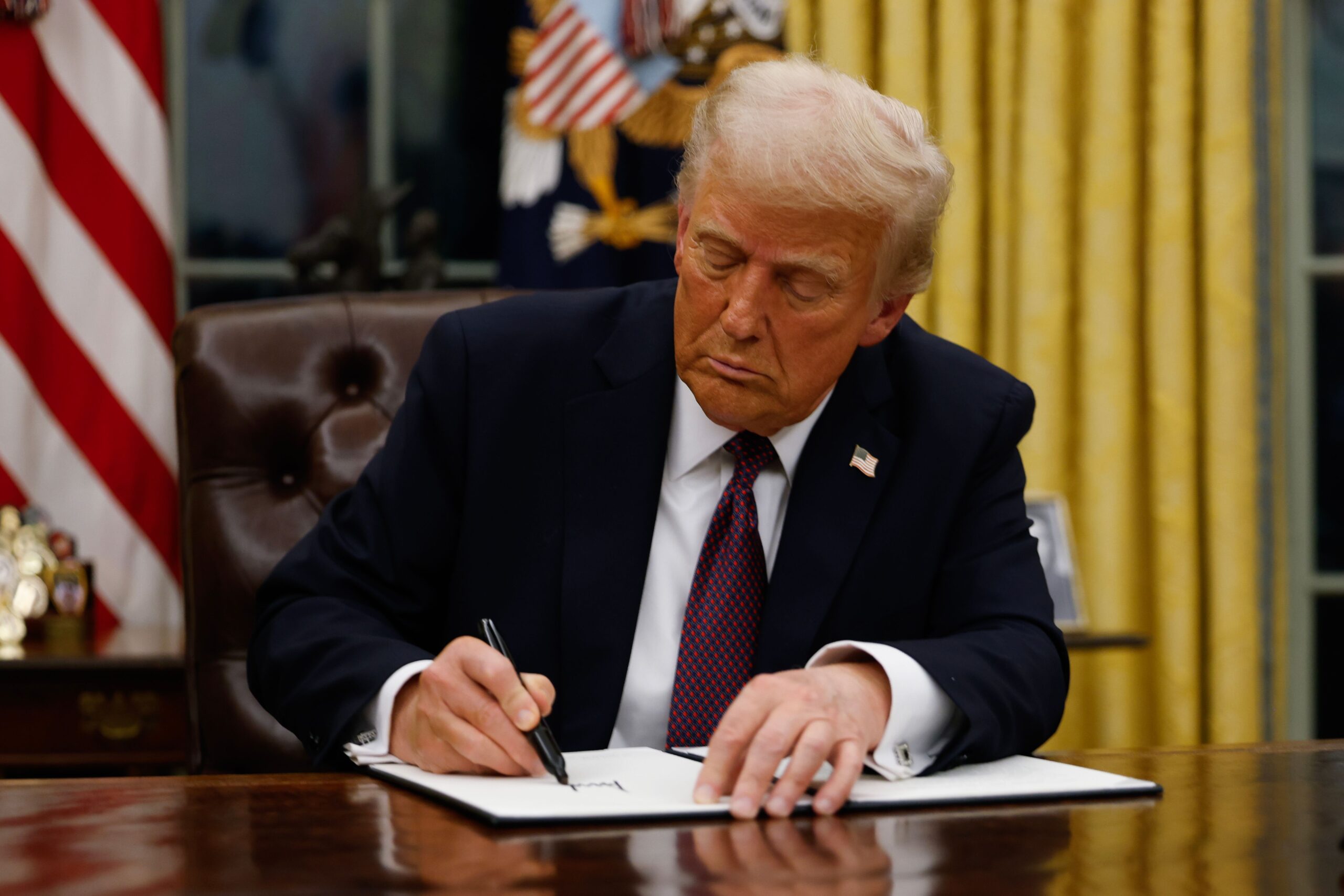
Former President Donald Trump’s latest crypto agenda has caught Wall Street’s attention. His proposals include introducing a regulated digital dollar and creating tax incentives for blockchain-related innovation. While controversial in his broader economic strategies, these crypto-friendly policies have earned support from several Wall Street CEOs who see digital assets as the future of global finance. Trump also emphasized regulatory clarity, a long-standing issue that has slowed crypto adoption in the U.S.
This development indicates a significant shift in political attitudes toward crypto. By promoting innovation and regulatory clarity, Trump’s proposals could ease institutional hesitancy and encourage broader adoption. His focus on creating a competitive digital economy aligns with Wall Street’s growing appetite for blockchain-driven financial instruments, potentially setting the stage for a new era of U.S.-led crypto leadership.
Market Impact: Pro-crypto policies could invigorate U.S. markets by attracting institutional and retail investors back to the domestic blockchain ecosystem. If enacted, these proposals might reverse the brain drain of blockchain talent and capital to crypto-friendlier jurisdictions. Digital dollar initiatives, in particular, could cement the U.S. dollar’s dominance in the global financial system while accelerating stablecoin adoption.
5. BlackRock’s Bitcoin ETF Filing Takes a Key Turn
BlackRock’s latest filing for its Bitcoin ETF introduces a significant update: “in-kind redemption.” This mechanism allows ETF holders to redeem their shares directly for Bitcoin, potentially enhancing liquidity and reducing the tracking errors associated with traditional ETFs. BlackRock’s ETF strategy reflects its commitment to aligning with institutional demand for crypto products while addressing long-standing inefficiencies in the space.
This move is pivotal for institutional investors eyeing Bitcoin as an asset class. Traditional ETFs have faced criticism for their inability to directly connect holders to underlying assets, but BlackRock’s approach bridges that gap. If approved, this ETF could not only simplify institutional Bitcoin exposure but also set a precedent for other asset managers to follow.
Market Impact: Approval of a BlackRock Bitcoin ETF could drive a new wave of institutional investments into crypto, significantly boosting market liquidity. The introduction of in-kind redemption strengthens Bitcoin’s case as a viable financial asset, potentially leading to reduced volatility. Such a development could also influence retail interest in Bitcoin and other cryptocurrencies, creating a ripple effect throughout the market.

6. U.S. Advocates for Bitcoin Reserves Among G20 Nations
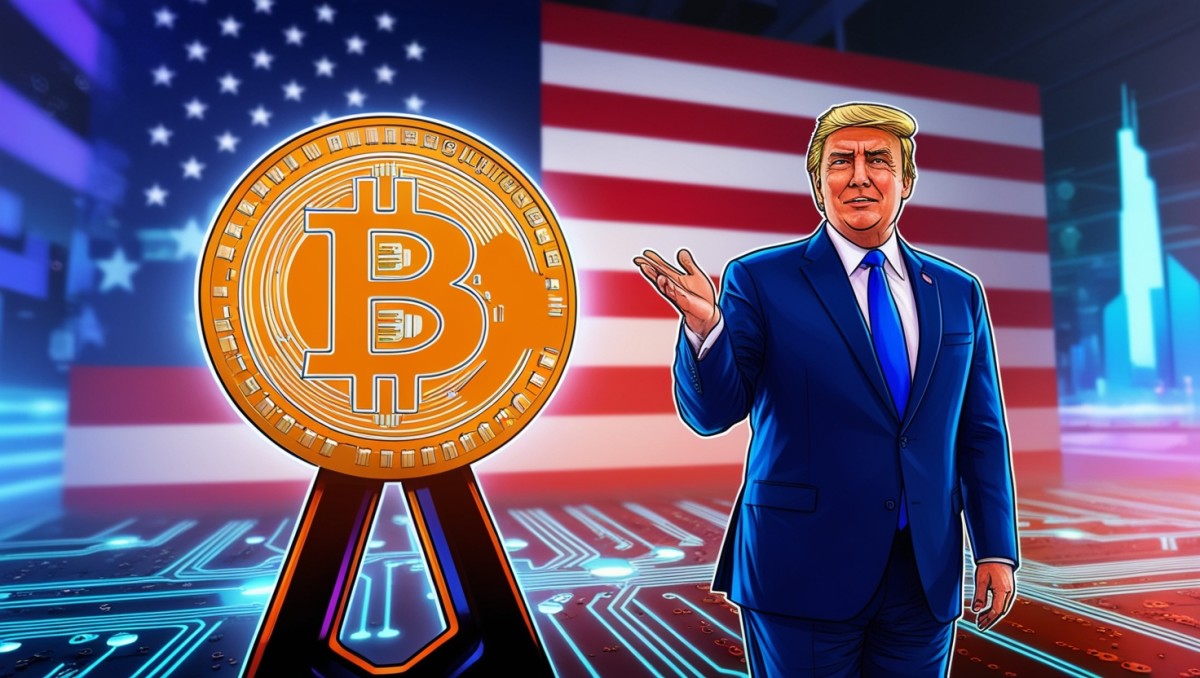
Recent reports suggest that the U.S. may push G20 nations to adopt Bitcoin as a reserve asset. The proposal is part of a broader strategy to integrate digital assets into the global financial system while ensuring the U.S. retains its leadership in the crypto space. Advocates argue that Bitcoin’s decentralized nature and finite supply make it an ideal hedge against global economic instability, akin to gold.
This potential move highlights Bitcoin’s transformation from a speculative asset to a legitimate part of international finance. While the proposal may face resistance from nations with conflicting financial priorities, its endorsement by the U.S. signals a significant geopolitical shift in Bitcoin’s perception. Should G20 nations follow suit, Bitcoin’s role in global trade and monetary policy could expand dramatically.
Market Impact: If G20 adoption of Bitcoin reserves gains traction, the crypto market could experience unprecedented growth. Bitcoin’s institutional appeal would skyrocket, likely pushing its price to new highs. Broader adoption at this level could also fuel innovation across other blockchain ecosystems, cementing crypto’s role as a core pillar of the global financial system.
Key Takeaways
1. Binance CEO’s Vision for AI and Blockchain
- Changpeng Zhao (CZ) identifies blockchain as a game-changer for AI.
- Blockchain ensures secure, tamper-proof, decentralized data storage for AI training.
- Tokenization could incentivize innovation, creating economic models for AI adoption.
2. XDC Network’s Rise Through Institutional Masternodes
- The XDC Network gains trust due to its hybrid blockchain model.
- Institutions are drawn to its regulatory compliance and low-cost transaction framework.
- Institutional adoption could lead to price and demand growth for XDC tokens.
3. USDC’s $8 Billion Minting Surge Narrowing Gap with USDT
- Circle’s transparency and compliance make USDC attractive.
- Regulatory trends favor stablecoins like USDC, boosting institutional confidence.
- Tether remains dominant but faces growing pressure from competitors.
4. Trump’s Crypto Policies Excite Wall Street
- Trump’s proposals focus on tax incentives and regulatory clarity.
- Wall Street CEOs support the initiatives for their potential to accelerate blockchain innovation.
- If implemented, the U.S. could reclaim its leadership in blockchain technology.
5. BlackRock’s Game-Changing Bitcoin ETF Strategy
- Introduction of “in-kind redemption” allows ETF holders direct Bitcoin access.
- The ETF could reduce inefficiencies and attract institutional investors.
- Approval of the ETF might lead to increased Bitcoin liquidity and reduced volatility.
6. G20 Nations and Bitcoin Reserves
- U.S. advocates for Bitcoin as a global reserve asset for financial stability.
- If G20 nations adopt Bitcoin reserves, it could cement Bitcoin’s role in global finance.
- Broader adoption may push Bitcoin prices to unprecedented levels.