

Introduction: From Centralized Control to Community Power
In the era of Web3, decentralization is not just a catchphrase—it’s a shift in how digital systems, communities, and organizations are structured. One of the most revolutionary innovations enabling this change is the rise of DAOs—Decentralized Autonomous Organizations. These blockchain-based entities are transforming governance by replacing traditional hierarchies with code-driven, community-led decision-making.
What is a DAO? The Basics of Decentralized Governance
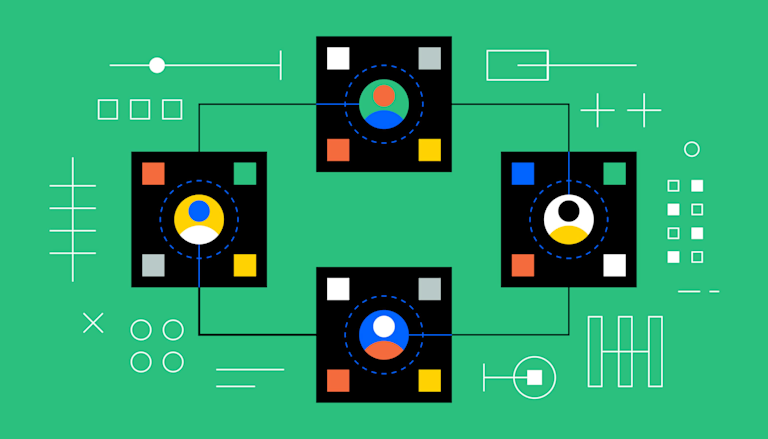
At its core, a DAO is an organization governed by transparent rules written in smart contracts and deployed on a blockchain. Unlike traditional organizations that rely on legal contracts, directors, and bureaucracies, DAOs function through a decentralized system where power is distributed among token holders. There’s no CEO, no central board—only code, consensus, and community.
The Architecture of a DAO: Code is the Law
The operational logic of a DAO is encoded in smart contracts. These contracts define everything from voting rules and treasury management to governance permissions and proposal thresholds. Once deployed, these rules cannot be altered without community consensus. As such, DAOs offer a high level of transparency, immutability, and automation in decision-making.
Tokenomics and Governance Models
Most DAOs utilize governance tokens, which represent voting power. These tokens are distributed through methods such as airdrops, liquidity mining, or direct purchases. Token holders can:
- Submit and vote on proposals.
- Allocate community funds.
- Elect contributors or make protocol upgrades.
To combat the risk of plutocracy (i.e., power concentrated in wealthy holders), DAOs are experimenting with:
- Quadratic Voting: Where voting power increases non-linearly with token count.
- Reputation-based Voting: Where active and trusted members have higher influence regardless of holdings.
How DAOs Work in Practice: From Proposals to Execution
- A community member submits a proposal (e.g., fund a developer grant, change protocol fees).
- Token holders vote within a set timeframe.
- If quorum and consensus thresholds are met, the smart contract automatically executes the decision—no intermediaries involved.
This trustless automation makes DAOs efficient, transparent, and resistant to manipulation.
Real-World Applications of DAOs
DAOs are no longer theoretical—they’re already managing billions of dollars and coordinating thousands of contributors:
- DeFi Governance:
- MakerDAO, Compound, and Aave use DAOs to manage protocol parameters, treasury allocations, and risk decisions.
- Creator Economies:
- PleasrDAO and FlamingoDAO collect NFTs and digital art on behalf of members.
- Friends with Benefits (FWB) manages exclusive content and in-person events using DAO mechanisms.
- Public Goods and Open Source Funding:
- Gitcoin DAO funds open-source developers with community-selected grants.
- MolochDAO supports Ethereum infrastructure development.
- Gaming & Metaverse:
- DAOs govern player decisions, asset distribution, and in-game economies in decentralized games like Decentraland and The Sandbox.
Challenges DAOs Face: A Work in Progress
Despite their potential, DAOs encounter several barriers:
- Low Participation: Voter apathy is common, and governance often ends up dominated by a few active “whales.”
- Security Risks: Bugs in smart contracts can lead to catastrophic failures—as seen in the 2016 DAO hack that drained over $60M.
- Regulatory Grey Zones: Few jurisdictions recognize DAOs legally, making it hard to open bank accounts or sign contracts.
- UX and Tooling: Platforms like Aragon, Snapshot, and Tally are simplifying governance, but user onboarding still requires technical understanding.
Interoperability and Evolution
New frameworks aim to create interoperable DAOs that can:
- Operate across multiple blockchains.
- Integrate reputation systems.
- Comply with KYC/AML without compromising decentralization.
The Future of DAOs: Beyond Crypto Communities
As tooling matures and legal clarity improves, DAOs may:
- Govern nonprofit organizations, research institutions, or investment clubs.
- Replace corporate boards with community voting.
- Support local governance for cities or states—enabling participatory budgeting and policy voting.
We may also see hybrid models emerge where a DAO operates a digital treasury while an associated legal entity handles fiat, real estate, or legal responsibilities.
Conclusion: DAOs as Web3’s Organizational Backbone
DAOs reflect the spirit of Web3: decentralization, transparency, and user empowerment. By removing middlemen and encoding rules in smart contracts, they allow communities to govern themselves effectively. While challenges exist, the DAO model offers a glimpse into a future where power lies with the people, not platforms.
For developers, founders, and institutions willing to experiment, DAOs offer the infrastructure for a borderless, permissionless, and resilient form of collective decision-making. As the world becomes increasingly digitized, DAOs might just be the new default for how we organize, cooperate, and govern.