


The cryptocurrency market is undergoing major institutional shifts, with legacy financial institutions embracing blockchain technology and new lending models emerging. SIX Swiss Exchange has introduced a digital collateral service, Toyota Financial Services is issuing security token bonds, and Galoy is pioneering Bitcoin-backed loans. Meanwhile, the altcoin market is expected to rally, according to Bitwise CIO, while Bitcoin’s price reacts to inflation data. Additionally, World Liberty Financial, backed by the Trump family, has launched a token reserve, fueling debates about political involvement in crypto. Lastly, a new report highlights Bitcoin’s speculative nature, questioning its role as a store of value. These trends indicate that crypto is evolving into a more structured financial ecosystem, despite persistent volatility and regulatory concerns.
1. SIX Swiss Exchange Introduces Digital Collateral Service
SIX Swiss Exchange has launched a new digital collateral service aimed at enhancing the integration of digital assets into traditional financial systems. This service enables institutional investors to use digital assets as collateral in financial transactions, providing increased liquidity and greater flexibility in asset management. By facilitating the acceptance of digital assets as collateral, SIX Swiss Exchange is taking a step toward the broader institutional adoption of cryptocurrencies.
The service is particularly relevant for large-scale investors and financial institutions looking to leverage blockchain technology while maintaining compliance with regulatory frameworks. This innovation reduces the reliance on traditional collateral, such as cash and government bonds, and allows investors to unlock value from their crypto holdings without selling them. This initiative aligns with the growing trend of tokenization in financial markets, where digital representations of real-world assets are becoming more widely accepted.
By introducing a regulated and secure environment for digital collateral, SIX Swiss Exchange is positioning itself at the forefront of financial innovation. This could encourage other financial institutions to adopt similar models, increasing trust in crypto-backed financial products. The move reflects an industry shift where legacy institutions are gradually integrating blockchain-based solutions into their financial ecosystems.
Market Impact
The launch of this digital collateral service could have a bullish effect on crypto markets, as it validates the use of digital assets in mainstream finance. Institutional investors may become more comfortable using cryptocurrencies as collateral, potentially increasing demand for assets like Bitcoin and Ethereum. This development also strengthens the case for digital asset-backed lending, an emerging sector that could drive further adoption and price stability in the crypto space.

2. Trump Family-Backed World Liberty Financial Initiates Token Reserve for Crypto Investment
World Liberty Financial (WLF), a cryptocurrency platform backed by former U.S. President Donald Trump and his family, has established a strategic token reserve. This reserve is designed to support Bitcoin, Ethereum, and other leading cryptocurrencies while also investing in decentralized finance (DeFi) projects. By building a token reserve, WLF aims to stabilize its investment holdings and mitigate risks associated with crypto market volatility.
The Trump family’s significant involvement in the crypto sector has drawn attention, especially as Donald Trump Jr. publicly supports the potential of cryptocurrencies. This venture follows other crypto-related projects linked to the Trump brand, including the controversial $Trump meme coin and potential blockchain-based financial services. The move signals a growing political and financial interest in digital assets, particularly among high-profile figures.
However, concerns have emerged regarding conflicts of interest and regulatory scrutiny. Given the family’s political influence, ethics experts worry that foreign entities could leverage crypto investments to gain favor with policymakers. Additionally, skeptics argue that such projects could contribute to the speculative nature of the crypto market rather than advancing practical use cases.
Market Impact
The Trump-backed crypto initiative could bring heightened visibility to the digital asset market, drawing in retail investors and political supporters. However, its long-term impact remains uncertain, as political affiliations in crypto can polarize sentiment. While some investors may view this as a validation of the crypto industry’s legitimacy, others may see it as a speculative endeavor with potential regulatory risks.

3. Toyota Financial Services to Launch Blockchain-Based Security Token Bonds
Toyota Financial Services (TFS) has announced its foray into blockchain technology with the issuance of security token bonds. This marks a significant milestone in the adoption of blockchain for traditional financial instruments. These bonds will be issued as tokenized securities, providing investors with a more efficient, transparent, and secure way to invest in debt instruments.
By leveraging blockchain, TFS aims to streamline the bond issuance process, reducing operational costs and enhancing real-time settlement capabilities. Traditional bond markets often face inefficiencies related to intermediaries, delayed settlements, and lack of transparency. Security tokens offer a more automated and tamper-proof alternative, potentially revolutionizing how corporate bonds are managed and traded.
This move by TFS signals a broader trend where legacy financial institutions explore tokenization as a means to modernize their operations. If successful, this could pave the way for other corporations and banks to follow suit, further integrating blockchain into mainstream financial markets. Security token offerings (STOs) are already gaining traction globally, and Toyota’s initiative could accelerate their adoption in traditional finance.
Market Impact
Toyota’s embrace of security token bonds is a bullish signal for blockchain adoption in traditional finance. It could encourage regulatory bodies to establish clearer guidelines for STOs, making them a viable alternative to traditional bonds. Additionally, increased institutional involvement in blockchain-based securities could drive demand for enterprise blockchain solutions and further legitimize digital assets in the eyes of traditional investors.

4. Report Highlights Bitcoin’s Predominant Use as a Speculative Asset
A new report suggests that Bitcoin is increasingly being traded as a speculative investment rather than serving as a stable store of value. The study found that most Bitcoin transactions are driven by short-term price movements rather than long-term holding strategies. This trend underscores Bitcoin’s reputation as a highly volatile asset, attracting traders seeking profit from rapid price fluctuations.
The speculative nature of Bitcoin has been a topic of debate for years. While some proponents argue that Bitcoin serves as “digital gold,” its price volatility often contradicts this narrative. Unlike traditional stores of value, such as gold or government bonds, Bitcoin experiences frequent and unpredictable price swings. This volatility discourages many investors from using it as a long-term wealth preservation tool.
Notably, economists such as Robert Shiller and Joseph Stiglitz have warned that Bitcoin’s price movements resemble those of speculative bubbles. If more investors continue treating Bitcoin primarily as a high-risk trading asset, its adoption as a stable financial instrument may be hindered. This perception could impact Bitcoin’s role in institutional portfolios and its potential as a hedge against inflation.
Market Impact
The perception of Bitcoin as a speculative asset could contribute to heightened price volatility. If investors focus more on short-term gains rather than long-term adoption, Bitcoin’s price could experience more frequent fluctuations. This might deter institutional investors looking for stability while attracting retail traders seeking quick profits. In the long run, Bitcoin’s classification—whether as a speculative asset or a true store of value—will play a crucial role in shaping its market dynamics.
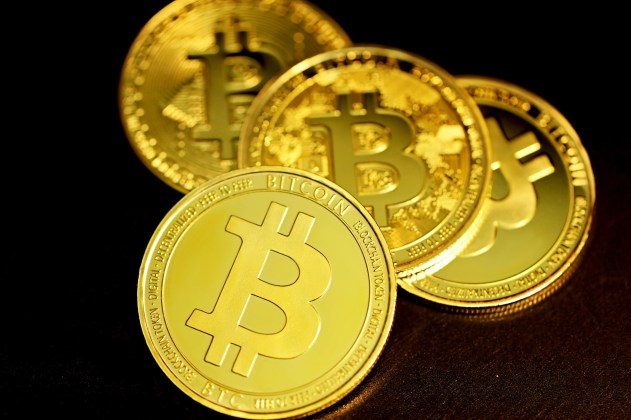
5. Galoy Launches Bitcoin-Backed Loan Software, Paving the Way for Open-Source Banking
Galoy, the company behind the Bitcoin Beach Wallet, has launched open-source software that enables Bitcoin-backed lending. This innovation allows financial institutions to offer loans collateralized by Bitcoin, providing an alternative form of liquidity for individuals and businesses. By allowing borrowers to access funds without selling their BTC holdings, Galoy’s solution preserves long-term investment positions while unlocking capital for immediate use.
The software integrates seamlessly with banking systems, making Bitcoin-based credit lines more accessible to financial institutions worldwide. As an open-source solution, it encourages widespread adoption and development, fostering a more decentralized financial ecosystem. This move is part of a broader push toward open-source banking solutions, where transparency and security are prioritized. Unlike traditional lending, where creditworthiness and banking history determine loan eligibility, Bitcoin-backed loans offer a more inclusive approach based on asset ownership.
By pioneering this lending model, Galoy is positioning Bitcoin as a more functional financial asset rather than just a speculative investment. The ability to borrow against Bitcoin without selling it strengthens the asset’s long-term value proposition, potentially encouraging broader institutional participation. As more banks and fintech firms explore Bitcoin-backed lending, this could drive further demand for BTC, leading to increased liquidity in crypto markets.
Market Impact
The introduction of Bitcoin-backed loans could support Bitcoin’s price by reducing selling pressure, as users can access funds without liquidating holdings. Additionally, increased institutional participation in Bitcoin lending may lead to greater mainstream adoption. However, the volatility of Bitcoin remains a risk, as sharp price drops could trigger loan liquidations, potentially leading to market corrections.

6. Bitcoin Price Declines as U.S. Inflation Exceeds Expectations
Bitcoin’s price fell below $95,000 after the latest U.S. Consumer Price Index (CPI) data revealed higher-than-expected inflation. The CPI rose by 0.5% in January, exceeding the projected 0.3% increase, pushing annual inflation to 3%. This unexpected jump has raised concerns about macroeconomic stability and its effect on risk assets, including cryptocurrencies.
Higher inflation figures often prompt the U.S. Federal Reserve to maintain or even increase interest rates to curb inflationary pressures. Some analysts believe that rate cuts could be delayed, which would negatively impact Bitcoin and other digital assets. Cryptocurrencies, particularly Bitcoin, are often viewed as inflation hedges. However, when inflation leads to tighter monetary policies, it reduces market liquidity, making speculative investments less attractive.
Federal Reserve Chairman Jerome Powell has indicated a cautious approach, suggesting that the central bank is in no rush to adjust its policies. Meanwhile, former President Donald Trump has called for rate cuts, arguing that they would complement upcoming economic measures. Despite Bitcoin’s long-term bullish narrative, its short-term price action remains heavily influenced by macroeconomic conditions.
Market Impact
Rising inflation and the potential for delayed interest rate cuts create an uncertain environment for Bitcoin. Short-term investors may offload BTC in response to unfavorable economic data, increasing selling pressure. On the other hand, if inflation concerns persist, Bitcoin’s appeal as a non-sovereign store of value could strengthen, attracting long-term holders. Overall, volatility is expected in the near term as markets react to economic indicators and Fed policies.

7. Bitwise CIO Anticipates Altcoin Rally Amid Growing Institutional Crypto Optimism
Matt Hougan, Chief Investment Officer at Bitwise Asset Management, has expressed optimism about a potential altcoin rally, citing increasing institutional interest in digital assets. While Bitcoin remains the primary focus for many institutional investors, the diversification of crypto portfolios into altcoins suggests a shift in investment strategies. Hougan believes that as more institutions explore crypto investments, demand for altcoins with strong use cases will rise.
The growing institutional adoption of altcoins is fueled by several factors, including advancements in blockchain technology, the expansion of decentralized finance (DeFi), and the increasing utility of smart contract platforms. Ethereum, Solana, and other major altcoins have demonstrated their capabilities beyond simple store-of-value functions, making them attractive investment opportunities. Institutions are also looking into layer-2 scaling solutions, interoperability projects, and tokenized real-world assets.
However, altcoins historically exhibit higher volatility than Bitcoin, making them riskier investments. Regulatory concerns also remain a significant challenge, as authorities continue to scrutinize various crypto projects. Despite these challenges, Hougan believes that institutional capital will continue flowing into the sector, potentially driving an altcoin market surge.
Market Impact
Institutional involvement in altcoins could lead to increased liquidity and valuation in the sector. If major asset managers and hedge funds allocate funds beyond Bitcoin and Ethereum, it could trigger a new wave of capital inflows. However, regulatory risks and market speculation remain key factors that could influence the trajectory of altcoin investments. Investors should be cautious about excessive volatility in smaller-cap altcoins.

Key Takeaways:
1. SIX Swiss Exchange Introduces Digital Collateral Service
✅ SIX Swiss Exchange is enabling digital assets to be used as collateral, increasing institutional adoption.
✅ Reduces reliance on traditional collateral like cash and bonds, boosting liquidity in financial markets.
2. Galoy Launches Bitcoin-Backed Loan Software
✅ Bitcoin-backed lending is gaining traction, allowing investors to access funds without selling BTC.
✅ Could increase liquidity in crypto markets and attract institutional lenders.
3. Bitcoin Price Declines as U.S. Inflation Exceeds Expectations
✅ Higher-than-expected inflation data has led to interest rate uncertainty, causing Bitcoin price drops.
✅ Investors remain cautious as the Federal Reserve considers delaying rate cuts.
4. Bitwise CIO Anticipates Altcoin Rally
✅ Growing institutional interest in crypto could lead to an altcoin surge.
✅ Ethereum, Solana, and layer-2 projects are key institutional investment targets.
5. Trump Family-Backed World Liberty Financial Enters Crypto
✅ WLF has established a token reserve, backing Bitcoin, Ethereum, and DeFi projects.
✅ Raises concerns about political influence and regulatory scrutiny.
6. Toyota Financial Services Launches Security Token Bonds
✅ Toyota is tokenizing corporate bonds, integrating blockchain with traditional finance.
✅ This could pave the way for mass adoption of security token offerings (STOs).
7. Report Highlights Bitcoin as a Speculative Asset
✅ A report suggests that Bitcoin is mainly traded for speculation rather than long-term holding.
✅ Could impact its perception as a store of value, leading to greater volatility.