


The financial landscape continues to evolve as governments, institutions, and investors react to the changing role of Bitcoin and other digital assets. Switzerland’s central bank has rejected Bitcoin as a reserve asset, maintaining a cautious stance despite global adoption efforts. Meanwhile, Arizona is pushing forward with a bill to establish a Bitcoin reserve, signaling growing state-level interest in crypto integration. Solana is set to see its first futures ETF, marking another milestone for mainstream crypto investment. At the same time, market volatility persists, with gold and Bitcoin rallying as stocks decline following Trump’s electoral victory. Lastly, copper’s price surge raises questions about its historical correlation with Bitcoin and whether BTC will follow suit.
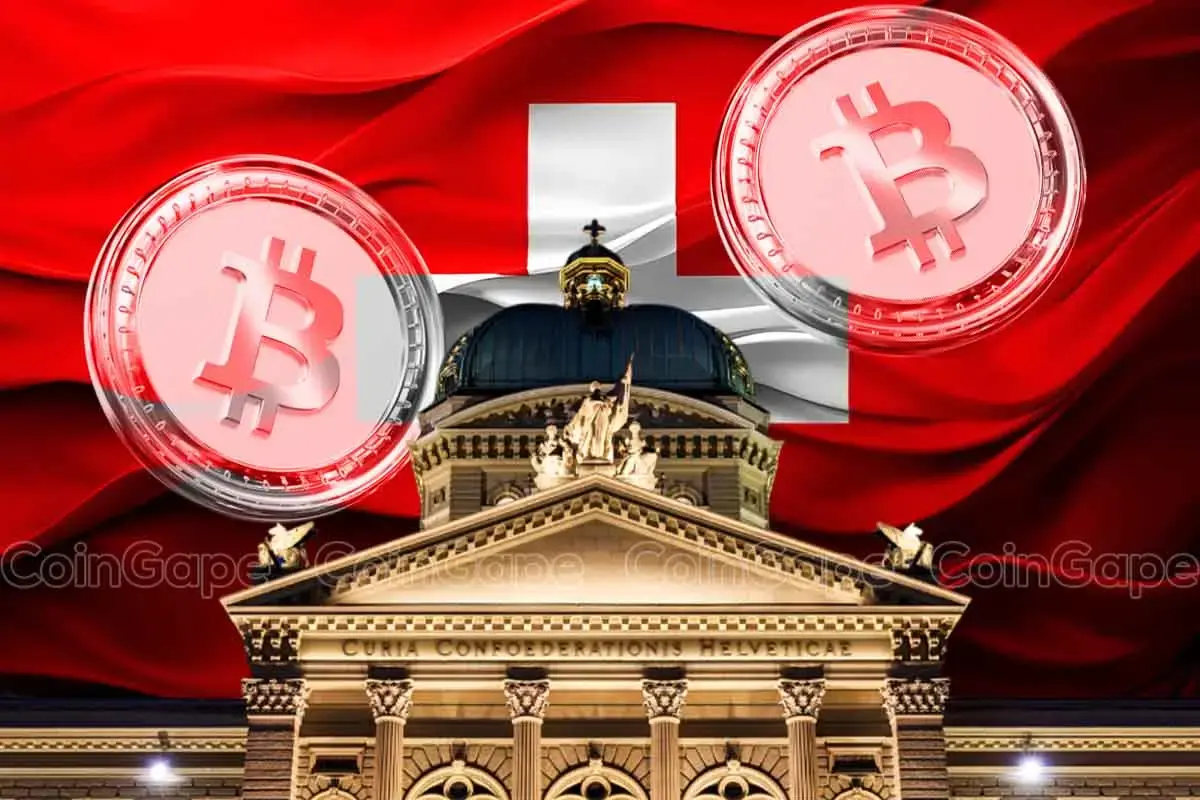
Swiss National Bank Rejects Bitcoin Reserve Plans Despite US BTC Push
The Swiss National Bank (SNB) has reaffirmed its cautious stance on Bitcoin by rejecting proposals to include it in its foreign currency reserves. SNB President Martin Schlegel stated that Bitcoin remains too volatile and does not align with the bank’s objectives of financial stability and monetary policy management. This decision places Switzerland in contrast with certain global economies, such as the U.S., which has taken steps toward incorporating Bitcoin into its financial strategies. The SNB’s rejection underscores the divide between traditional central banks and the growing adoption of digital assets as reserve alternatives.
The rejection is particularly notable given Switzerland’s reputation as a crypto-friendly nation, home to numerous blockchain startups and a robust regulatory framework for digital assets. However, the central bank’s stance highlights the distinction between promoting innovation in the private sector and altering state financial reserves. Bitcoin’s price volatility, security risks, and liquidity concerns were cited as key reasons for the decision. These concerns are not unique to Switzerland, as other central banks, including those of the European Union, have also maintained a cautious approach to digital assets.
Despite the SNB’s resistance, some analysts believe this could change over time as Bitcoin’s market matures and its role as a store of value strengthens. Switzerland remains a major hub for blockchain development, but its central bank’s decision suggests that national adoption of Bitcoin as a reserve asset remains a long-term possibility rather than an immediate reality. The move also reflects the broader global debate on whether Bitcoin can be integrated into traditional monetary systems.
Market Impact:
Bitcoin’s price saw a temporary dip following the SNB’s rejection, as institutional investors often view central bank adoption as a sign of mainstream acceptance. However, broader market sentiment remains bullish, particularly given the U.S. and other nations’ increasing interest in Bitcoin reserves.
Arizona House Committee Approves Bitcoin Reserve Bill
Arizona is making significant strides toward becoming a leader in state-level Bitcoin adoption. The House Commerce Committee recently approved Bill SB 1373, which proposes the creation of a state-run Digital Assets Strategic Reserve Fund. This fund would allow the Arizona state treasury to allocate a percentage of its financial reserves to Bitcoin and other digital assets. The bill’s passage through the committee marks a major step forward in the integration of cryptocurrency into state-level financial strategies.
This move is part of a broader trend among U.S. states exploring Bitcoin and blockchain-friendly policies. Arizona has consistently been one of the most progressive states regarding cryptocurrency regulation. The bill aligns with previous legislative efforts in the state, such as tax incentives for crypto businesses and support for blockchain-based contracts. Other states, such as Texas and Florida, have also expressed interest in similar initiatives, while Montana and Pennsylvania have taken a more skeptical approach.
If SB 1373 successfully passes into law, Arizona could set a precedent for other states to follow. Institutional adoption of Bitcoin is gradually increasing, and state governments recognizing its potential as a financial asset may further accelerate this trend. While the bill does not guarantee that the state treasury will immediately purchase Bitcoin, it opens the door for future discussions and potential investments.
Market Impact:
This news was met with optimism in the crypto community, as it signals growing institutional and governmental interest in Bitcoin. While it may not have an immediate effect on Bitcoin’s price, the long-term impact could be significant if more states adopt similar measures.
First Solana Futures ETF to Hit Markets This Week
The launch of the first-ever Solana Futures ETF marks a significant milestone for the Solana blockchain and the broader cryptocurrency market. This ETF will allow institutional and retail investors to gain exposure to Solana without directly purchasing the asset. Given Solana’s reputation for high-speed transactions and scalability, this product is expected to attract substantial interest from market participants looking to diversify their crypto investments beyond Bitcoin and Ethereum.
The introduction of this ETF also reflects the increasing demand for regulated investment vehicles tied to digital assets. Bitcoin and Ethereum futures ETFs have already seen significant success, demonstrating that investors are eager for exposure to the crypto market through traditional financial instruments. Solana, which has been one of the fastest-growing blockchain ecosystems, stands to benefit from increased institutional attention. If the ETF performs well, it could pave the way for additional altcoin ETFs, further expanding crypto’s integration with mainstream finance.
However, challenges remain. The U.S. Securities and Exchange Commission (SEC) has historically been cautious regarding crypto-related ETFs, delaying or rejecting multiple proposals in the past. The success of this Solana ETF will depend on market conditions, investor sentiment, and regulatory developments. If it gains traction, it could significantly boost Solana’s adoption and price.
Market Impact:
The announcement of the Solana Futures ETF led to a surge in Solana’s price, reflecting investor optimism. If the ETF attracts strong inflows, it could help legitimize Solana as a long-term investment vehicle and potentially drive further institutional adoption.

Gold Surges, Bitcoin Rallies, Stocks Down Since Trump’s Electoral Win: What’s Driving the Chaos?
Financial markets have experienced significant shifts following Donald Trump’s electoral victory. Gold prices have surged, Bitcoin has rallied, and stock markets have declined, leading analysts to examine the factors driving this volatility. Investors typically view gold and Bitcoin as safe-haven assets, particularly during times of political uncertainty. Trump’s policy proposals, including trade tariffs and a potential U.S. Bitcoin reserve, have contributed to market fluctuations.
The rally in gold and Bitcoin suggests that investors are hedging against potential economic instability. Trump’s economic policies have historically influenced financial markets, and his recent statements regarding Bitcoin adoption have further fueled speculation. Additionally, the stock market’s decline reflects broader concerns over potential regulatory changes and economic unpredictability under the new administration.
Market participants are closely monitoring the Federal Reserve’s stance on interest rates, inflation, and regulatory measures, all of which could impact asset prices. While Bitcoin and gold have seen gains, their long-term trajectory will depend on macroeconomic developments and policy decisions in the coming months.
Market Impact:
Bitcoin’s rally amid stock market uncertainty highlights its evolving role as a hedge against traditional financial risks. If market instability continues, Bitcoin and gold may see sustained upward momentum, reinforcing their appeal as alternative investments.

Copper, Once Positively Correlated to Bitcoin, Nears Record High: Will BTC Follow Suit?
Copper prices are nearing record highs, prompting speculation about whether Bitcoin will follow a similar trajectory. Historically, copper and Bitcoin have exhibited positive correlation, often reacting to macroeconomic factors such as inflation, industrial demand, and global liquidity cycles. The rising price of copper suggests strong industrial demand, supply constraints, and investor speculation on future economic trends.
Bitcoin’s past correlation with copper was largely due to their shared appeal as speculative assets driven by economic cycles. However, in recent years, Bitcoin has developed more independent price movements, influenced by institutional adoption, regulatory developments, and macroeconomic factors. While copper’s price increase may signal broader economic strength, it is uncertain whether Bitcoin will experience a similar surge in the short term.
Investors should approach this correlation with caution, as market dynamics evolve over time. While some traders may use copper’s movement as an indicator for Bitcoin’s potential rally, others argue that the correlation has weakened as Bitcoin has matured into a more distinct asset class. The key drivers for Bitcoin’s price in the coming months will likely be regulatory developments, institutional adoption, and broader financial market trends.
Market Impact:
While copper’s rally signals strong industrial demand, Bitcoin’s trajectory will depend on its own unique factors. If historical correlations hold, Bitcoin could see increased buying pressure, but investors should remain aware of independent market forces shaping its price.

Key Takeaways :
- Swiss National Bank’s Bitcoin Rejection: The SNB refuses to hold Bitcoin in reserves, citing volatility and security risks, despite increasing global adoption.
- Arizona Moves Forward with Bitcoin Reserve Bill: The state’s House Commerce Committee approved a bill that could allow Bitcoin holdings in state reserves.
- Solana Futures ETF Launch: The first Solana Futures ETF is set to launch this week, providing investors with a regulated way to gain exposure to SOL.
- Bitcoin and Gold Rally Post-Trump Victory: Uncertainty following Trump’s electoral win has driven gold and Bitcoin higher, while stock markets decline.
- Copper’s Record High and Bitcoin Correlation: Copper prices surge, sparking speculation on whether Bitcoin will follow its historical correlation with the metal.