


Momentum and caution intertwine in today’s crypto landscape as Bitcoin flirts with historical patterns that once signaled reversals, while retail investors show signs of optimism. Avalanche stands out with a resurgence in DeFi activity, bolstered by strong metrics. Political winds in South Korea hint at a potential regulatory breakthrough with candidates backing Bitcoin ETFs. Yet, the looming shadow of quantum threats reminds the industry of the urgent need for technological foresight and faster governance.
1. Bitcoin May Be Headed Towards a 2021-Like Double Top
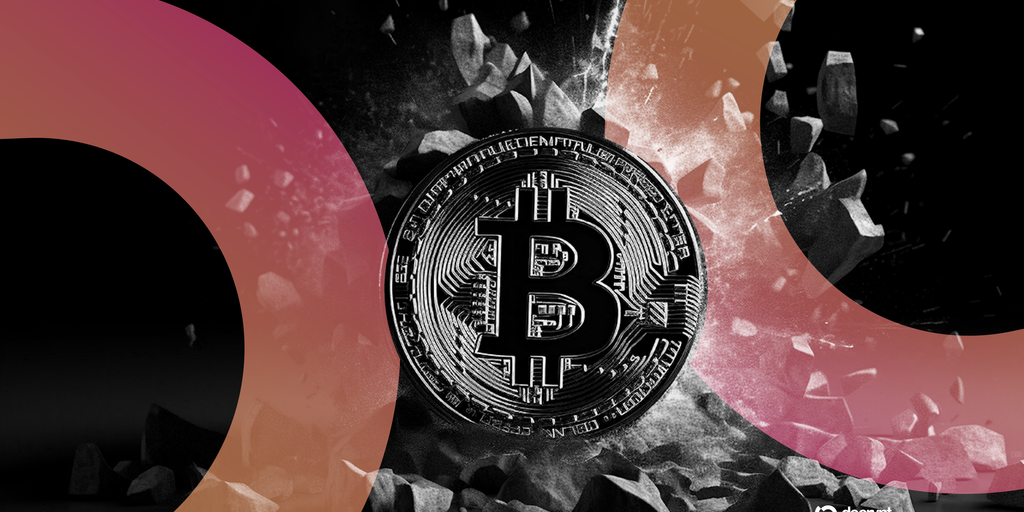
Bitcoin’s recent price movements suggest the formation of a double-top pattern, reminiscent of the 2021 cycle. The cryptocurrency has approached its January peak of approximately $109,000 but faces resistance, with on-chain metrics indicating waning momentum. Analysts caution that failure to surpass this level could lead to a bearish reversal, potentially pushing prices down to the $75,000 range.
This pattern, characterized by two consecutive peaks at similar price levels, often signals a potential trend reversal. The current market sentiment is cautious, with investors closely monitoring support levels between $92,300 and $94,800. A decisive break above $98,400, followed by a move past $99,800, is needed to invalidate the bearish outlook.
The resemblance to the 2021 double-top pattern has raised concerns among traders, recalling the subsequent market correction that followed. Market participants are advised to stay vigilant and consider risk management strategies in anticipation of potential volatility.

2. Retail Investors Show Renewed Interest in Bitcoin
Recent data indicates a resurgence of retail investor activity in the Bitcoin market. CryptoQuant reports a 13% increase in small transactions under $1,000, suggesting that individual investors are re-engaging with the cryptocurrency.
This uptick in retail participation follows a period of institutional dominance in the market. The renewed interest from individual investors is seen as a bullish indicator, potentially adding momentum to Bitcoin’s price movements.
While the current level of retail engagement has not reached the fervent peaks of previous bull runs, the trend signifies growing confidence among everyday investors. Continued monitoring of retail activity will be crucial in assessing the sustainability of Bitcoin’s upward trajectory.
3. Avalanche Sees Significant Growth in Key Metrics This Week
Avalanche (AVAX) has experienced notable growth in its ecosystem, with the Total Value Locked (TVL) surpassing $1 billion for the first time since a significant dip last year. This resurgence indicates a renewed interest in the platform’s decentralized finance (DeFi) offerings.
The network’s stablecoin market capitalization has also seen a substantial increase, rising over 300% from its October 2023 low to reach a local high of $2.31 billion. These metrics suggest a strengthening of Avalanche’s position in the DeFi space.
However, analysts caution that while these developments are promising, the network still faces challenges in maintaining momentum and achieving its previous highs. Investors are advised to watch for sustained growth in active addresses and other key indicators.

4. South Korean Presidential Candidates Support Bitcoin Spot ETF
In the lead-up to South Korea’s presidential election, major candidates have expressed support for the legalization of spot Bitcoin exchange-traded funds (ETFs). Both the Democratic Party and the ruling People Power Party have included crypto-friendly policies in their platforms, aiming to appeal to the country’s substantial crypto investor base.
Approximately 16 million South Koreans, representing about 36% of the electorate, are involved in cryptocurrency investments. The candidates’ proposals to approve spot Bitcoin ETFs and reduce transaction fees are seen as strategic moves to garner support from this demographic.
The election’s outcome could significantly impact the regulatory landscape for cryptocurrencies in South Korea, potentially positioning the country as a more crypto-friendly jurisdiction. Investors and industry stakeholders are closely monitoring the developments.

5. Slow Blockchain Governance Leaves Crypto Exposed to Quantum Threats
Experts warn that the sluggish pace of blockchain governance may leave cryptocurrencies vulnerable to emerging quantum computing threats. Quantum computers have the potential to break current cryptographic algorithms, posing risks to the security of blockchain networks.
The decentralized nature of blockchain governance often results in slow decision-making processes, hindering the timely implementation of quantum-resistant measures. Some suggest that prioritizing the protection of major stakeholders’ assets could be a pragmatic initial step.
The crypto industry is urged to proactively address these challenges by developing and adopting quantum-resistant cryptographic solutions to safeguard the integrity of blockchain systems.

🟢 Key Takeaways
-
Bitcoin’s Price Pattern Signals Caution: Analysts are watching for a possible double-top formation, which previously triggered a market correction in 2021. Key resistance and support levels are crucial to monitor in the short term.
-
Retail Investors Return to Bitcoin: A noticeable uptick in small Bitcoin transactions indicates that individual investors are stepping back in, suggesting renewed confidence and potentially bullish sentiment.
-
Avalanche Posts Strong DeFi Growth: The AVAX ecosystem saw its TVL exceed $1 billion again, alongside a surge in stablecoin market cap. These figures point to increasing developer and investor engagement.
-
South Korea’s Political Support for Bitcoin ETFs: Both leading presidential candidates support legalizing spot Bitcoin ETFs, signaling a positive regulatory outlook and potential for a crypto-friendly environment in South Korea.
-
Quantum Computing Threatens Blockchain Security: Concerns are mounting over slow governance in crypto protocols, which could delay the adoption of quantum-resistant cryptography, leaving networks vulnerable.