
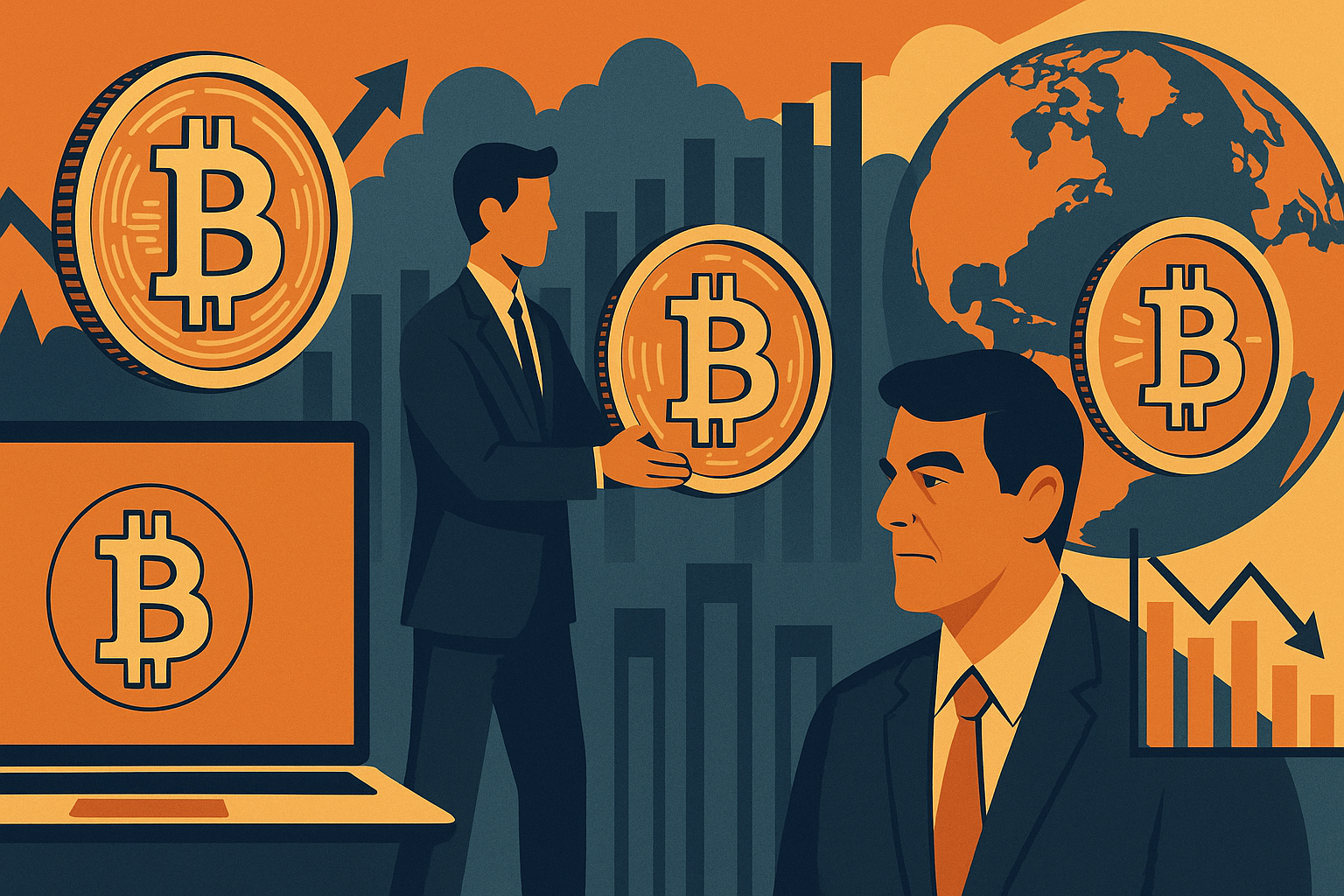


Today’s updates reveal a fascinating cross-section of crypto’s evolution: from technical momentum in Bitcoin to deep institutional plays across AI, high-performance computing, and stablecoin adoption. Bitcoin’s bullish technical breakout signals a potential leadership rally, while major financial players are aggressively positioning for long-term dominance through strategic ventures and incentives. These developments not only reinforce confidence in crypto markets but also highlight emerging themes of convergence between traditional finance, tech innovation, and digital assets.
1. Bitcoin Market Dynamics: In-Depth Analysis & Forward Outlook
Bitcoin’s recent market behavior reflects a complex interplay of macroeconomic factors and investor sentiment. The cryptocurrency has experienced fluctuations influenced by global economic indicators, regulatory developments, and shifts in institutional investment strategies. Analysts have noted that Bitcoin’s price movements are increasingly correlated with traditional financial markets, suggesting a maturation of the asset class.
Technical analysis indicates that Bitcoin is navigating critical support and resistance levels, with traders closely monitoring these thresholds for potential breakout or breakdown scenarios. On-chain metrics, such as transaction volumes and active addresses, provide additional insights into market participation and network health. These indicators are essential for understanding the underlying strength of Bitcoin’s market position.
Looking forward, the outlook for Bitcoin remains cautiously optimistic. Factors such as potential regulatory clarity, continued institutional adoption, and macroeconomic trends like inflation and currency devaluation could play significant roles in shaping Bitcoin’s trajectory. Investors are advised to stay informed about these developments and consider them in their strategic planning.
Market Impact: The evolving dynamics of Bitcoin’s market suggest a period of increased volatility and potential opportunity. Investors should be prepared for rapid changes and consider risk management strategies to navigate this environment effectively.

2. Who Are the Most Fervent Supporters of Bitcoin? Research Indicates Corporations Are at the Forefront of Accumulation
Recent research highlights a significant trend: corporations are increasingly becoming major holders of Bitcoin. Companies like MicroStrategy, Tesla, and Square have made substantial investments in Bitcoin, signaling a shift in how corporate treasuries view digital assets. This movement is driven by factors such as the desire for diversification, hedging against inflation, and the pursuit of higher returns.
The accumulation of Bitcoin by corporations is not just a financial maneuver but also a strategic positioning in anticipation of a more digital and decentralized financial future. These entities are leveraging Bitcoin’s properties to enhance their balance sheets and align with emerging financial paradigms. This trend also reflects growing confidence in Bitcoin’s long-term value proposition.
As corporations continue to adopt Bitcoin, this could lead to increased stability and legitimacy for the cryptocurrency market. It may also prompt further regulatory developments and influence public perception, potentially accelerating mainstream adoption. Stakeholders should monitor this trend as it could have profound implications for the broader financial ecosystem.
Market Impact: Corporate accumulation of Bitcoin contributes to reduced circulating supply, potentially exerting upward pressure on prices. This trend underscores the importance of institutional participation in driving market dynamics and could lead to increased investor confidence.

3. Bitcoin Will Replace U.S. Dollar in 10 Years, Says Billionaire VC Tim Draper
Billionaire venture capitalist Tim Draper has made a bold prediction: Bitcoin will supplant the U.S. dollar as the world’s primary currency within the next decade. Draper’s assertion is based on Bitcoin’s decentralized nature, limited supply, and resistance to inflation, which he believes make it superior to traditional fiat currencies. He also points to the increasing adoption of Bitcoin by individuals and institutions as evidence of its growing prominence.
Draper’s vision reflects a broader discourse on the future of money and the role of cryptocurrencies in the global economy. While some view his prediction as overly optimistic, it underscores the transformative potential that digital assets hold. The idea of Bitcoin replacing the U.S. dollar challenges conventional monetary systems and invites discussions on the evolution of financial sovereignty and trust.
Critics argue that significant hurdles remain, including regulatory challenges, technological scalability, and the need for widespread adoption. However, Draper’s perspective contributes to the ongoing debate about the future of currency and the potential for disruptive innovation in the financial sector. His stance encourages stakeholders to consider the long-term implications of digital currencies on global economic structures.
Market Impact: While Draper’s prediction may be speculative, such high-profile endorsements can influence market sentiment and investor behavior. They may also prompt policymakers and financial institutions to engage more seriously with the implications of digital currencies.

4. U.S. CPI Rose Less Than Expected: 0.2% in April; Annual Pace Slips to Four-Year Low
The U.S. Consumer Price Index (CPI) increased by 0.2% in April, bringing the annual inflation rate down to 2.3%, the lowest in four years. This unexpected moderation in inflation comes amid significant tariff implementations by the Trump administration, including a 145% tariff on Chinese imports. Despite these tariffs, prices for certain goods, such as eggs and apparel, have decreased, contributing to the overall slowdown in inflation.
Analysts caution that the full impact of the tariffs may not yet be reflected in the CPI data, suggesting that inflationary pressures could resurface in the coming months. The Federal Reserve has maintained interest rates between 4.25% and 4.5%, adopting a cautious approach in response to the mixed economic signals. Market participants are closely watching for further data to assess the trajectory of inflation and potential monetary policy adjustments.
The current inflation dynamics have implications for various asset classes, including cryptocurrencies. Lower inflation may reduce the urgency for investors to seek inflation hedges like Bitcoin. However, ongoing economic uncertainties and policy developments continue to influence investor strategies and market volatility.
Market Impact: The unexpected dip in inflation has led to positive movements in equity markets, with the S&P 500 and Nasdaq posting gains. However, the potential for future inflationary pressures due to tariffs remains a concern, which could affect investor sentiment and asset allocation decisions.

Key Takeaways
-
Bitcoin Market Dynamics:
Bitcoin’s price is closely mirroring traditional markets, with analysts watching technical levels and macroeconomic cues to predict future movements. -
Corporate Accumulation:
Major firms like MicroStrategy and Tesla are leading a trend of corporate Bitcoin accumulation, signaling rising institutional confidence in the asset. -
Tim Draper’s Dollar Replacement Forecast:
Tim Draper projects Bitcoin will replace the U.S. dollar within a decade, sparking debates over the future of global monetary systems. -
U.S. CPI Inflation Slows:
The U.S. inflation rate dropped to its lowest level in four years, a surprising data point that could influence both traditional and crypto markets in the coming months.