

Major shifts are underway in both the Bitcoin and Ethereum ecosystems, with signs of evolving investor behavior, regulatory innovation, and strategic miscalculations. From declining selling pressure among Bitcoin miners and shrinking exchange reserves to a failed Ethereum shorting attempt and progressive tokenized securities approval in Hong Kong, these developments offer a comprehensive snapshot of how the crypto space is transforming. The implications stretch across market liquidity, institutional adoption, and future price volatility.
🟢 Bitcoin Miners Show Lowest Selling Pressure Since May 2024
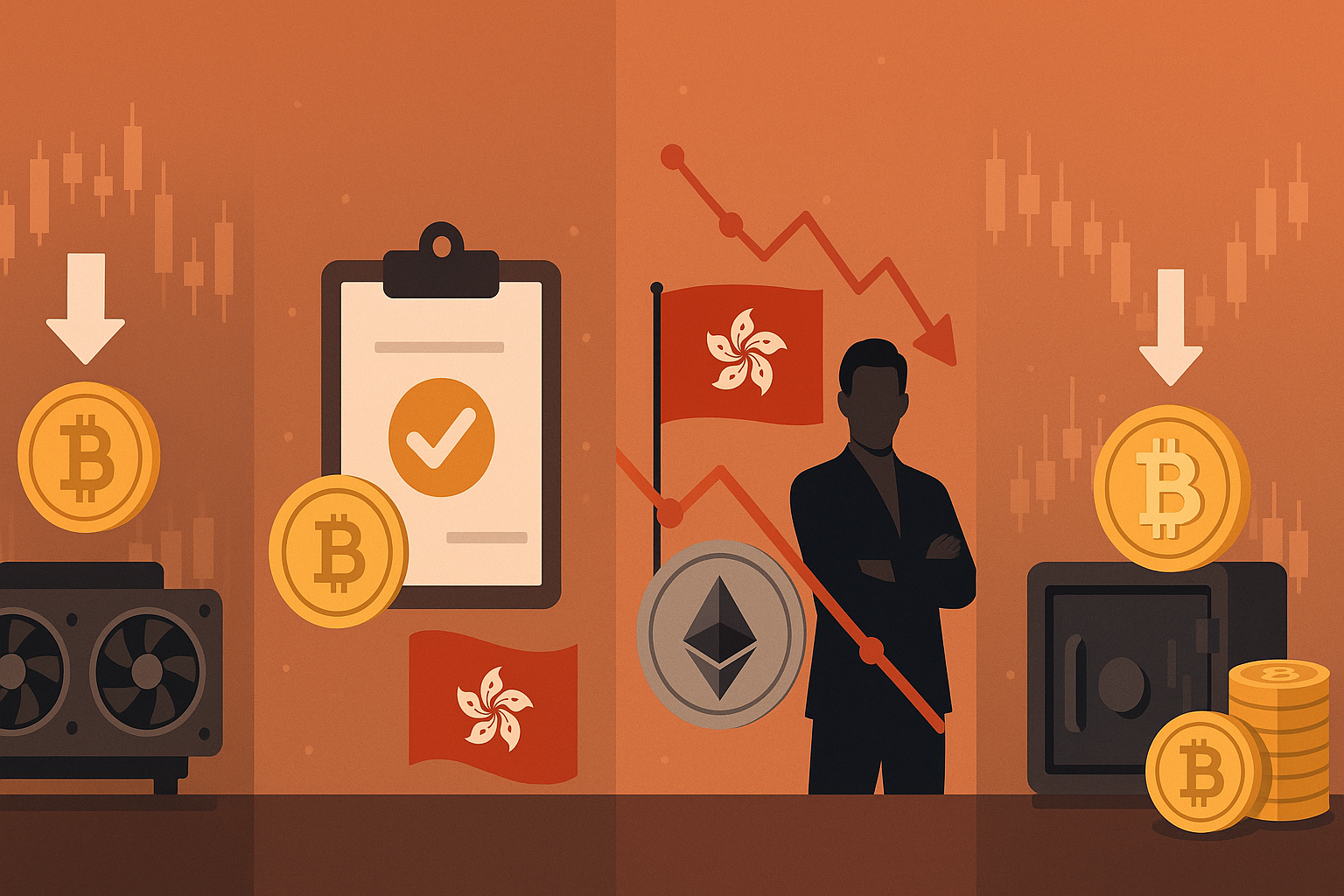
Bitcoin miners are currently exhibiting the lowest selling pressure since May 2024, according to recent data. This rare occurrence suggests a significant shift in miner behavior, potentially indicating a strategic move to hold assets in anticipation of future price increases. Historically, such low selling pressure has often preceded periods of market consolidation or even price declines, rather than immediate rallies.
The reduced selling activity among miners could be attributed to various factors, including expectations of higher future prices or operational strategies to manage resources more effectively. While this trend might seem bullish at first glance, it’s essential to consider that similar patterns in the past have not always led to immediate price surges. Instead, they have sometimes signaled underlying market uncertainties or structural risks accumulating beneath the surface.
Investors and market analysts should approach this development with cautious optimism. While the decreased selling pressure might reduce immediate downward price pressures, it doesn’t necessarily guarantee a bullish breakout. Continuous monitoring of miner behaviors and broader market indicators will be crucial in assessing the potential implications of this trend.

🟢 Hong Kong Regulator Approves Tokenized Securities Plans
The Hong Kong Securities and Futures Commission (SFC) has approved plans by Guotai Junan International to distribute tokenized securities and issue digital bonds. This endorsement marks a significant step in integrating blockchain technology with traditional financial instruments in one of Asia’s leading financial hubs.
Tokenized securities represent traditional assets, such as stocks and bonds, in a digital form on a blockchain. By approving these plans, the SFC is signaling its commitment to embracing financial innovation while ensuring regulatory compliance. This move could enhance market efficiency, attract a broader investor base, and position Hong Kong as a pioneer in the adoption of digital asset frameworks.
The approval also aligns with Hong Kong’s broader strategy to establish itself as a global leader in the digital asset space. By fostering a conducive environment for tokenized assets, Hong Kong is setting a precedent that could influence regulatory approaches in other jurisdictions.
🔻 Whale’s Recent Ethereum Shorting Strategy Yields No Success
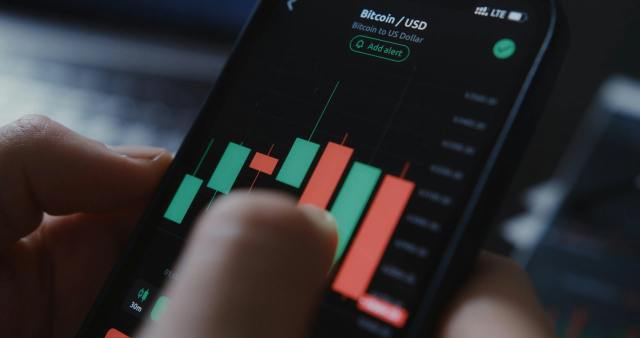
A recent attempt by a large Ethereum investor, commonly referred to as a “whale,” to profit from a short-selling strategy has proven unsuccessful. The whale employed a 50x leveraged short position, anticipating a decline in Ethereum’s price. However, the market moved against this position, leading to significant losses.
This event underscores the inherent risks associated with high-leverage trading strategies, especially in volatile markets like cryptocurrencies. While short-selling can yield substantial profits during market downturns, it equally exposes traders to amplified losses when the market moves contrary to their positions.
The failed strategy by this Ethereum whale serves as a cautionary tale for traders considering high-leverage positions. It also highlights the unpredictable nature of cryptocurrency markets, where rapid price movements can defy even well-analyzed predictions.

🟢 Bitcoin Reserves on Exchanges Are Decreasing, Indicating a Potential Supply Disruption in the Near Future
Bitcoin reserves held on exchanges have been steadily declining, reaching their lowest levels since November 2018. This trend suggests that more investors are moving their Bitcoin holdings off exchanges, possibly into cold storage, indicating a long-term holding strategy.
The decreasing availability of Bitcoin on exchanges can lead to a supply squeeze, especially if demand remains steady or increases. Such a scenario could exert upward pressure on Bitcoin’s price, as fewer coins are readily available for purchase on the open market.
This pattern aligns with historical precedents where significant withdrawals from exchanges preceded bullish market movements. However, it’s essential to consider other market factors and conduct comprehensive analyses before drawing definitive conclusions about future price trajectories.
Key Takeaways
🟢 Bitcoin Miners Show Lowest Selling Pressure Since May 2024
-
Miners are holding onto Bitcoin more than at any point since early 2024.
-
This behavior could reflect bullish sentiment or caution in uncertain markets.
-
Historically, such low pressure hasn’t always led to immediate rallies.
🟢 Hong Kong Regulator Approves Tokenized Securities Plans
-
Hong Kong greenlights digital bonds and tokenized securities under regulated frameworks.
-
This move strengthens Hong Kong’s position as a blockchain-forward financial hub.
-
Other jurisdictions may follow this regulatory model if successful.
🔻 Whale’s Recent Ethereum Shorting Strategy Yields No Success
-
A leveraged ETH short by a whale failed, leading to losses.
-
The strategy involved risky 50x leverage and was countered by bullish market moves.
-
Highlights the risk of aggressive trading in volatile environments.
🟢 Bitcoin Reserves on Exchanges Are Decreasing
-
BTC reserves on exchanges have fallen to 2018 levels.
-
This could signal reduced selling pressure and upcoming supply squeeze.
-
Historical patterns suggest potential price appreciation ahead.