


Bitcoin and the broader crypto market are experiencing significant turbulence due to global economic concerns, strict regulations, and shifting investor sentiment. The possibility of new U.S. tariffs under Donald Trump’s leadership has triggered fears of a stronger dollar, which historically puts downward pressure on Bitcoin. At the same time, India is tightening its tax grip on crypto holders, imposing a 70% penalty on undisclosed gains, making the country’s regulatory landscape one of the toughest globally.
Meanwhile, institutional interest in Bitcoin is rising, as spot Bitcoin ETFs recorded a $318 million net inflow, signaling renewed confidence in digital assets. Despite this, market volatility remains high, with concerns over a potential trade war and profit-taking from recent rallies weighing on prices. LUNC’s burning mechanism has crossed the 400 billion milestone, but questions remain about its long-term value.
Looking ahead, India’s 2025 crypto regulatory review could bring major shifts, either improving the investment environment or pushing more users toward decentralized platforms. With macroeconomic conditions playing a crucial role, traders and investors will be closely watching how Bitcoin reacts to inflation, interest rates, and institutional demand in the coming months.
1. Bitcoin’s $100K Target at Risk as Trump’s Tariff Plans Stir Market Fears
Bitcoin’s path to $100,000 may face obstacles as former U.S. President Donald Trump proposes a new wave of import tariffs if re-elected. The potential tariffs, aimed at reshaping global trade policies, could strengthen the U.S. dollar while increasing inflationary pressure on consumer goods. A stronger dollar historically leads to a decline in Bitcoin and other risk assets, as investors shift their capital toward more stable investments.
If trade restrictions lead to increased inflation, the Federal Reserve may be forced to maintain high interest rates for a longer period. This would be a bearish scenario for Bitcoin since higher interest rates make traditional investments like bonds and cash savings more attractive than speculative assets. Analysts caution that despite bullish sentiment in the crypto space, Bitcoin might struggle to maintain momentum if macroeconomic conditions turn unfavorable.
On the flip side, some investors argue that economic instability could increase Bitcoin’s appeal as a hedge against inflation and monetary policies. This was seen during past economic crises, where Bitcoin gained traction as a “digital gold” alternative. However, the short-term reaction to trade war concerns has leaned bearish, with Bitcoin’s price showing signs of struggle. If global trade tensions escalate further, the crypto market could see heightened volatility, delaying Bitcoin’s push past the psychological $100,000 barrier.
Market Impact:
- Short-Term: Bearish pressure due to macroeconomic uncertainty.
- Long-Term: Could be neutral or bullish if Bitcoin is viewed as an inflation hedge.

2. India’s Crypto Regulations Could See Major Changes in 2025
India is preparing to reevaluate its cryptocurrency regulations in 2025, potentially bringing major shifts to the country’s digital asset industry. For years, India has maintained a cautious stance on crypto, imposing a 30% tax on gains and a 1% tax deducted at source (TDS) on transactions. These harsh measures have driven many Indian traders and businesses to foreign platforms or decentralized exchanges. However, with global crypto adoption on the rise, the Indian government is signaling a possible policy shift.
Key areas under review include taxation, exchange regulations, and the potential for a clearer legal framework. The current high tax rates have slowed industry growth and discouraged innovation. A reduction in crypto taxes could revitalize the Indian crypto market by encouraging more domestic investment. Additionally, regulators may introduce more structured compliance rules for exchanges, which would bring more legitimacy to the sector and protect investors.
Another major point of interest is how India will integrate its central bank digital currency (CBDC), the digital rupee, into the financial system. While the government has been cautious about private cryptocurrencies, a well-structured framework could allow both the digital rupee and decentralized crypto assets to coexist. If regulations become more favorable, India’s massive population could become one of the largest crypto markets globally.
Market Impact:
- Short-Term: Neutral, as regulatory decisions will take time.
- Long-Term: Bullish if India adopts friendlier policies, attracting investors and companies.

3. Spot Bitcoin ETFs See $318M Inflow as Institutional Interest Surges
Spot Bitcoin ETFs are regaining traction, with a massive $318 million inflow recorded recently. This marks a reversal in sentiment after periods of declining interest. The renewed institutional demand highlights Bitcoin’s growing appeal as a mainstream investment asset, especially among hedge funds, wealth managers, and traditional finance firms.
Institutional investors favor ETFs because they provide exposure to Bitcoin without requiring direct custody of the asset. This recent increase in inflows suggests that many investors view Bitcoin as a long-term store of value rather than a speculative trade. Additionally, market analysts believe that growing interest in ETFs could drive Bitcoin’s price higher by reducing available supply on exchanges.
However, ETF inflows have been inconsistent in the past, with sudden outflows sometimes following large investments. While the current trend is positive, market participants are watching closely to see if this momentum sustains or fades. If inflows continue, Bitcoin could see strong price support and further institutional adoption in the coming months.
Market Impact:
- Short-Term: Bullish as ETF inflows signal strong demand.
- Long-Term: Bullish if institutional adoption continues.
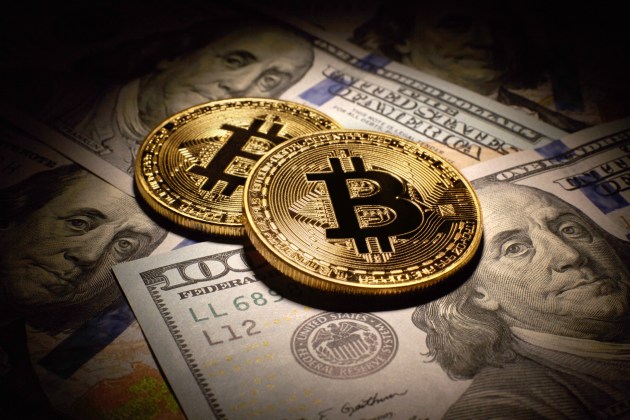
4. Terra Luna Classic Burn Hits 400 Billion as Binance Contributes 700M LUNC
The Terra Luna Classic (LUNC) token burn initiative has reached a significant milestone, with 400 billion tokens removed from circulation. Binance has played a major role in this effort, recently burning over 700 million LUNC tokens. Token burns are designed to reduce supply and create scarcity, theoretically boosting the asset’s value.
Despite the large burn, LUNC’s price remains volatile. While some investors are optimistic about long-term price appreciation, others argue that LUNC’s fundamental challenges, including low developer activity and lingering trust issues, could prevent major gains. The project has struggled to rebuild confidence after the Terra ecosystem collapse in 2022, and without significant development progress, the burn alone may not be enough to drive sustainable price increases.
Still, Binance’s continued support signals that there is at least some institutional backing for LUNC. If the burn mechanism continues and broader ecosystem improvements take place, LUNC could regain investor confidence over time.
Market Impact:
- Short-Term: Neutral, as burns alone do not guarantee price appreciation.
- Long-Term: Uncertain—depends on development and adoption efforts.

5. Crypto Market Drops Amid Trade War Concerns
The broader crypto market is facing a downturn, with Bitcoin and altcoins struggling due to fears of a potential trade war. Market analysts point to the possibility of new tariffs from the U.S., which could strengthen the dollar and weaken crypto demand. Investors often move away from risk assets like Bitcoin when uncertainty in global trade rises.
Another contributing factor to the market drop is profit-taking after recent rallies. Some traders have locked in gains, causing selling pressure that has pushed prices down. If macroeconomic conditions continue to worsen, crypto markets could face further downside.
However, some analysts believe that this downturn will be temporary. If central banks ease monetary policies in response to economic slowdown fears, it could lead to renewed investor confidence in crypto. The coming months will determine whether this is a brief correction or the start of a deeper market decline.
Market Impact:
- Short-Term: Bearish due to economic uncertainty.
- Long-Term: Depends on macroeconomic trends and monetary policy decisions.

6. Indian Crypto Holders Face 70% Tax Penalty for Undisclosed Gains
India’s crypto investors are facing strict penalties as the government cracks down on undisclosed digital asset holdings. Reports indicate that Indian taxpayers who fail to report their crypto gains could be hit with a massive 70% penalty, further intensifying the country’s already harsh regulatory environment. This move aligns with India’s broader efforts to enforce compliance and prevent tax evasion in the digital asset space.
The Indian tax authorities have already imposed a 30% tax on crypto gains, along with a 1% tax deducted at source (TDS) on all transactions. However, this new penalty for undeclared assets adds another layer of pressure on investors. Critics argue that these high tax rates and strict penalties could discourage crypto adoption, pushing traders toward offshore platforms or decentralized exchanges where tracking transactions becomes more difficult. Some fear that this approach could stifle innovation and drive talent away from India’s growing Web3 ecosystem.
Despite these challenges, the Indian government has shown no signs of softening its stance. Authorities justify the harsh penalties as a necessary measure to ensure tax compliance and maintain financial stability. However, if India continues to impose such high tax burdens, the long-term effect could be capital flight, where investors move their funds to jurisdictions with more favorable regulations. The global crypto community is watching closely to see how India balances enforcement with fostering innovation in the blockchain space.
Market Impact:
- Short-Term: Bearish for Indian crypto investors due to increased financial pressure.
- Long-Term: Could drive crypto businesses and users toward decentralized or offshore platforms.

Key Takeaways:
✅ Bitcoin Faces Macro Pressure: Trade war concerns and potential tariffs under a Trump administration could strengthen the U.S. dollar, impacting BTC’s push toward $100K.
✅ India’s Harsh Crypto Taxes: A new 70% penalty on undisclosed crypto gains adds more financial pressure on Indian investors, increasing fears of capital flight.
✅ Spot Bitcoin ETFs See Strong Inflows: A $318 million net inflow signals growing institutional interest, which could support BTC’s price in the long run.
✅ LUNC Burns Reach 400B Tokens: Binance leads the way with 700M tokens burned, but price impact remains uncertain due to ecosystem challenges.
✅ Crypto Market Down on Trade War Fears: Global uncertainty and profit-taking are dragging prices lower, but some believe this dip is temporary.
✅ India’s 2025 Crypto Regulations: The government might reassess its stance on taxation and compliance, which could open doors for better regulations.
The crypto market is currently at a crossroads, with regulatory pressures, macroeconomic factors, and institutional activity shaping its future. Bitcoin’s journey to $100K faces potential hurdles from a stronger U.S. dollar and global trade tensions, while India’s extreme tax policies may drive local investors toward offshore solutions.
However, strong ETF inflows suggest that institutional interest in crypto remains strong, and potential regulatory shifts in 2025 could open new doors for global adoption.
For now, investors should remain cautious in the face of short-term volatility while keeping an eye on long-term trends like institutional adoption and regulatory clarity.